


























2,080 Tomahawk Missiles Vanished Overnight, and the Navy Is Now Desperate to Save Its Ohio-Class Submarines

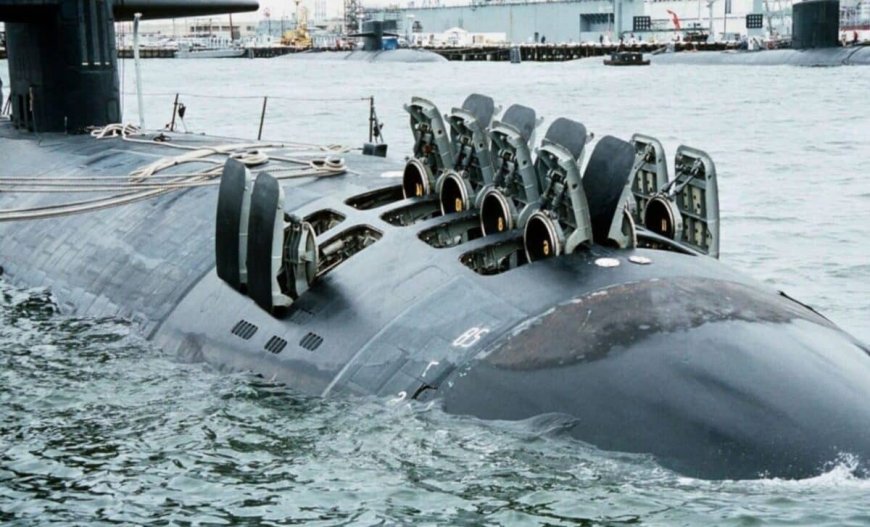
The U.S. Navy is confronting an unexpected shortfall of more than 2,000 missile launch cells as four aging Ohio-class guided-missile submarines approach their mandatory retirement dates. The discovery, made during routine fleet modernization planning in March 2026, revealed a concentration of firepower that cannot be replaced on schedule.
The figure now driving internal debate is 2,080. That number represents the total Vertical Launch System cells that will vanish from the fleet when four converted Ohio-class submarines and a dozen Ticonderoga-class cruisers leave service.
The submarines alone account for 616 Tomahawk-capable tubes, a capacity no other single platform can replicate. The loss arrives as shipyards struggle with labor shortages and construction backlogs that have compressed the Navy’s ability to field replacements on time.
Four Submarines Carry Disproportionate Strike Power
The vessels at the center of the issue are the USS Ohio, USS Michigan, USS Florida, and USS Georgia. Originally built as ballistic-missile submarines, all four were converted in the early 2000s to carry conventional Tomahawk cruise missiles. Each conversion packed 154 launch cells into a single hull, creating what remains the densest concentration of long-range strike weapons in the undersea fleet.
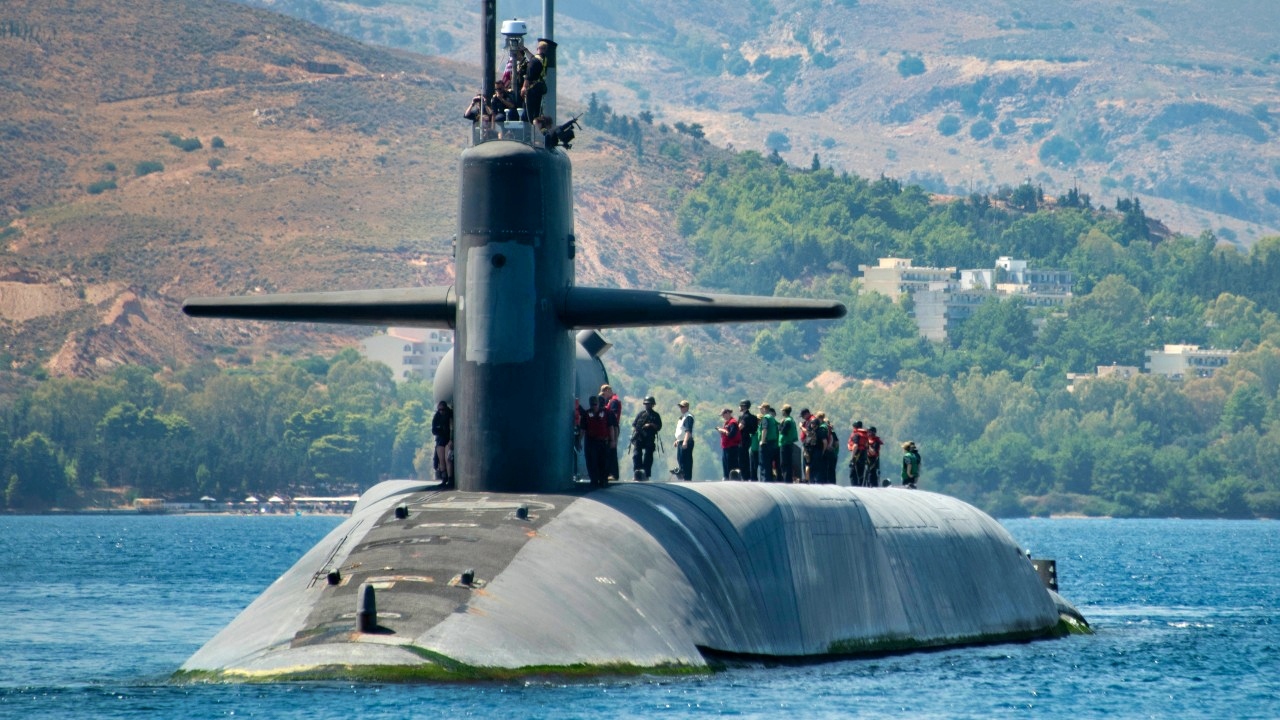
That density creates capabilities unmatched elsewhere. Attack submarines offer stealth but carry far fewer weapons. Surface ships bring volume but lack the survivability of a submerged platform operating independently beyond radar coverage. An Ohio-class SSGN can launch a massive salvo from positions unreachable by most ships or aircraft, then slip away undetected. The boats operate for months without surfacing, requiring no aerial refueling support and no surface escorts.
The submarines also support special operations forces through lock-in/lock-out chambers and mission bays added during conversion. According to Commander, Submarine Force U.S. Pacific Fleet, these boats deploy unmanned systems and gather intelligence while remaining forward-deployed for extended periods. Two forward missile tubes on each vessel were permanently converted to allow clandestine insertion and retrieval of Navy SEALs or other personnel.
Replacement Timeline Leaves a Measurable Gap
The Navy has long planned to replace retiring strike capacity with Block V Virginia-class submarines equipped with the Virginia Payload Module. That upgrade adds an 83-foot hull section and increases missile capacity to 40 tubes per boat. The modification makes these vessels the second-largest submarines in U.S. Navy history, behind only the Ohio class.
Even with that improvement, the math remains stark. A single Virginia-class submarine carries 28 additional Tomahawk cells compared to earlier variants. An Ohio-class SSGN carries 154. Closing the gap would require several new attack submarines arriving on an accelerated schedule that current shipyard capacity cannot support.
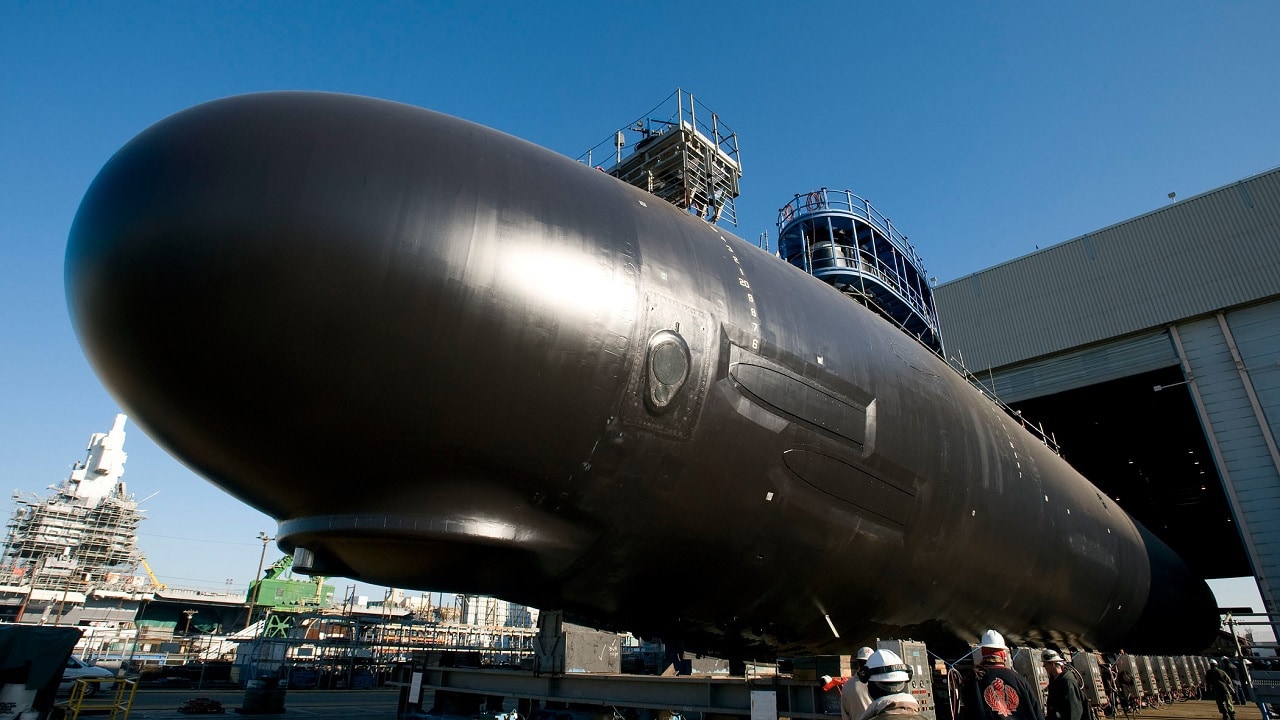
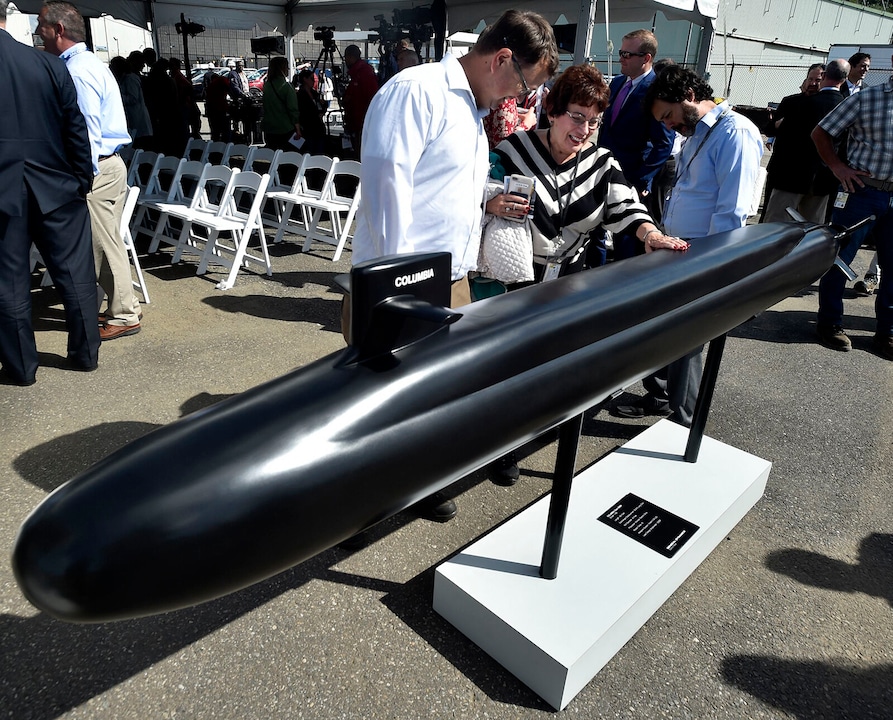
Reporting by 19FortyFive noted that the Columbia-class submarine program, budgeted at approximately $130 billion for 12 boats, continues to face delays and cost overruns. Those vessels are reserved for nuclear deterrence missions as part of the nation’s strategic triad. They carry Trident ballistic missiles, not Tomahawks. They will not offset the conventional strike shortfall created by retiring SSGNs.
The timeline compounds the pressure. The first Columbia-class submarine must join the fleet by 2030 to prevent a gap in nuclear deterrence coverage as Ohio-class ballistic missile boats begin retiring in 2027. Building both Columbia-class and Virginia-class submarines concurrently strains an industrial base already short on qualified workers.
Shipyard Constraints Compound the Problem
American shipyard capacity has shrunk roughly 30 percent since the Gulf War, according to the 19FortyFive analysis. The Navy is investing to strengthen submarine suppliers and increase production capacity, but those efforts require years to produce results. Meanwhile, the Ohio-class hulls are now more than 30 years old. Their reactors approach safe operating limits. Metal fatigue and hull weakening require close monitoring.
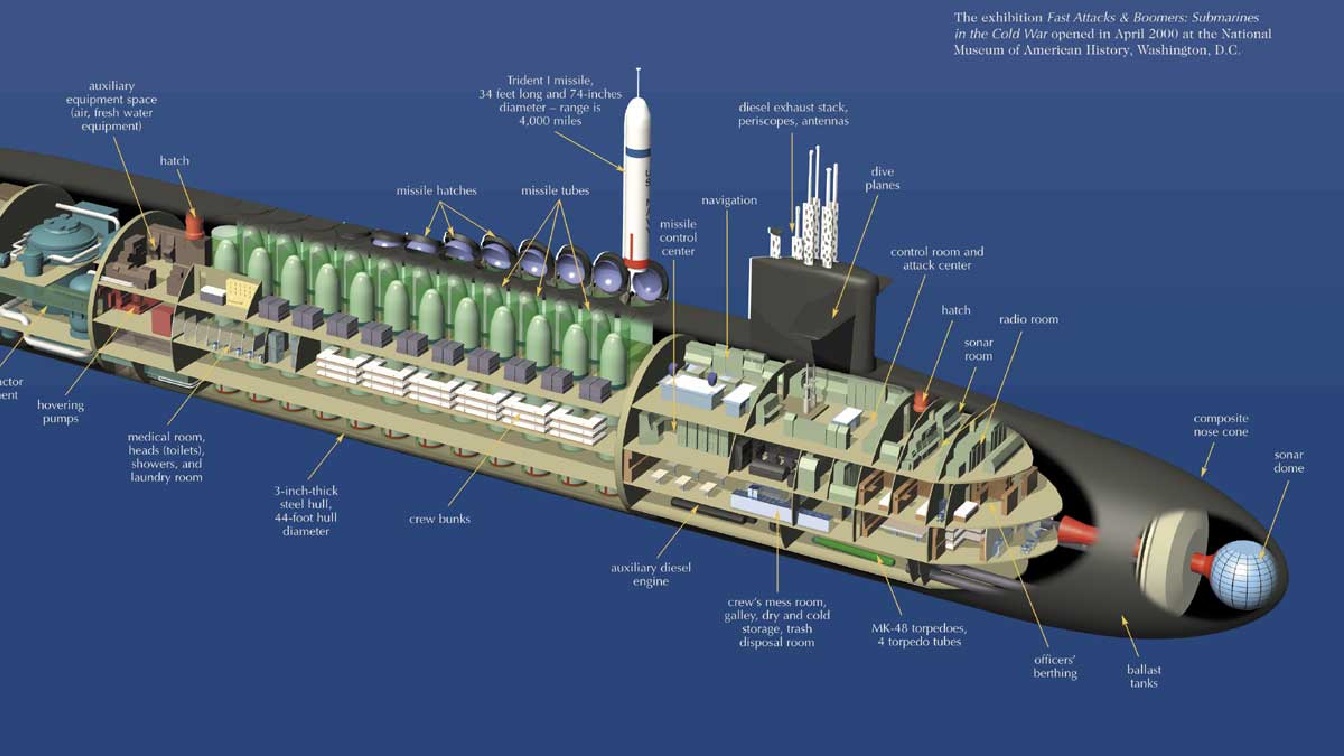
The 19FortyFive report quotes U.S. Strategic Command Commander Gen. Anthony Cotton suggesting the service should extend its fleet beyond the planned 12 Columbia-class submarines. That proposal underscores the broader strain on undersea force structure as legacy platforms age out faster than replacements arrive.
According to the Indian Defence Review report, Naval News correspondent Peter Ong calculated the combined loss: “That gives a total of 1,464 VLS cells for the cruisers and 616 VLS cells for the SSGNs for a combined total of 2,080 VLS cells.” The cruisers carry Standard missiles, Evolved Sea Sparrows, and anti-submarine rockets in addition to Tomahawks, making their VLS cells more versatile than those aboard the submarines.
Planning Models Already Reflect the Reduction
Fleet planners have begun incorporating the 2,080-cell reduction into operational models. The change affects war game outcomes, deployment schedules, and magazine depth calculations across multiple theaters. Magazine depth determines how long ships remain on station without resupply and how many strikes a force can sustain before exhausting its weapons.
A single Ohio-class SSGN shifts the balance of firepower in an entire region. Its absence requires several surface ships or attack submarines to fill the same role. The internal Navy assessments now factor the shortfall directly into long-term procurement strategies and readiness timelines. The problem, as one analyst observed, was not mechanical wear or reactor life. It was arithmetic.
No official change to the retirement schedule has been announced. The four Ohio-class guided-missile submarines remain in service today, each still carrying the 154 Tomahawk missiles that have defined their mission since conversion.
Enjoyed this article? Subscribe to our free newsletter for engaging stories, exclusive content, and the latest news.
What's Your Reaction?
 Like
0
Like
0
 Dislike
0
Dislike
0
 Love
0
Love
0
 Funny
0
Funny
0
 Angry
0
Angry
0
 Sad
0
Sad
0
 Wow
0
Wow
0