


























“Your bill is skyrocketing”: New Yorker shares a simple move that saves $120 — And utilities “don’t want you using it”

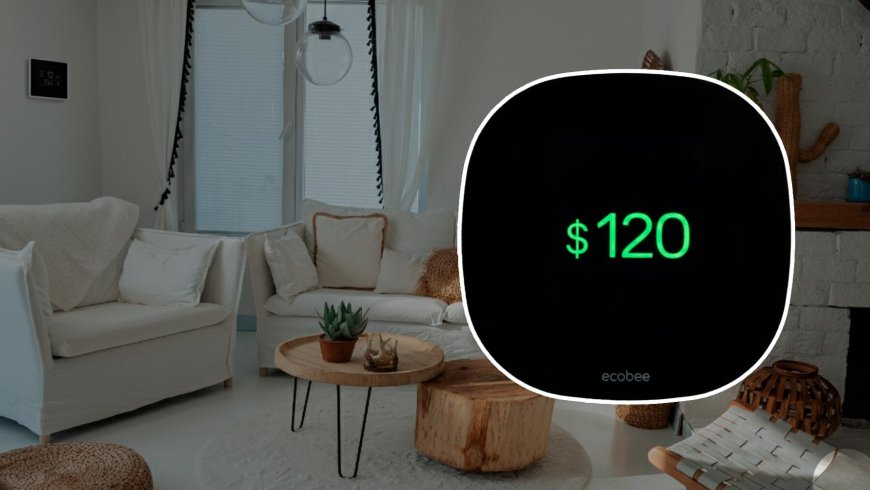
Many New Yorkers may be experiencing a monthly shock when they receive their utility bill. The cost of electricity remains among the highest in the nation. Small changes in your usage and how you save can result in substantial increases in your actual cost. Data from the U.S. Power Outage Map suggests that the average household in New York spends approximately $150 per month on electricity.
TikTok video provides potential relief measures for consumers
In New York, total annual costs for electricity will exceed $1,200 prior to any additional heating charges incurred during the winter months.
Given this background, it is no surprise that an energy cost-related TikTok video was successful. The video identifies and provides examples of a number of common practices that contribute to increased utility bills and presents methods for reversing these practices. The most important tip presented is related to something that virtually all households have control over every day, yet rarely consider: the thermostat.
The TikTok video was posted as part of the @rossen.reports TikTok account run by Jeff Rossen, a national investigative journalist who focuses on uncovering scams, hidden fees, and financial pitfalls. Rossen’s focus is on providing consumers with easy-to-apply, practical solutions to prevent unnecessary expenditures and, in this instance, his solution targets the increased heating and cooling costs that occur during New York’s long, cold weather season.
The method that Rossen advocates to save the greatest amount of money
Rossen’s number one suggestion is to decrease (in winter) or increase (in summer) your thermostat by merely two degrees. Most people will not notice this adjustment, but the savings in their energy consumption are significant.
The heat season runs from October 1 through May 31. The law requires that, during this time, landlords will be responsible for maintaining a minimum indoor temperature of:
- At least 68°F in the day while the outside temperature is below 55°F
- At least 62°F at night, even if the outside temperature is higher than 62°F
Slowing the loss of energy for extended periods of time
By decreasing this temperature differential, even by a minimal amount, you will slow the loss of energy from your home for extended periods of time. According to federal energy guidelines, lowering your thermostat by as little as two degrees and keeping it there throughout the year will save you between 8% and 10% of your heating and cooling costs over the course of a year.
New York City residents are particularly interested in this idea due to NYC regulations during heating season, from October until May of the following year, which require buildings to maintain a minimum indoor temperature. Consequently, in the winter months, many apartments are heated too much, causing residents to open windows to provide ventilation.
Decreasing your thermostat, as Rossen explained, allows you to reduce the excessive heat in the apartment while also allowing you to enjoy the comfort you desire. Conversely, in the summer months, increasing the air conditioning temperature will help to reduce peak demand for electricity, which is when electricity costs are the greatest.
Annually, New Yorkers could save a lot of money
To put this into perspective, if you spend $1,200 annually on electricity and you are able to save 10%, you will have saved $120 annually. This is not speculative; this is the result of established models of efficiency.
Utility companies generally do not promote behavioral efficiencies since such efficiencies reduce demand during peak seasons and ultimately affect the company’s ability to generate revenue.
Rossen makes a few brief comments regarding some of his other suggestions for saving money, including phantom power, using cold water for washing clothes, and using appliances during off-peak hours. However, the thermostat suggestion is the most impactful. These suggestions will save you money every day at no additional cost.
Disclaimer: Our coverage of events affecting companies is purely informative and descriptive. Under no circumstances does it seek to promote an opinion or create a trend, nor can it be taken as investment advice or a recommendation of any kind.
What's Your Reaction?
 Like
0
Like
0
 Dislike
0
Dislike
0
 Love
0
Love
0
 Funny
0
Funny
0
 Angry
0
Angry
0
 Sad
0
Sad
0
 Wow
0
Wow
0