



























This Mysterious Jawbone Found in Taiwan Waters Isn’t Human or Neanderthal, It’s From a Different Ancestor

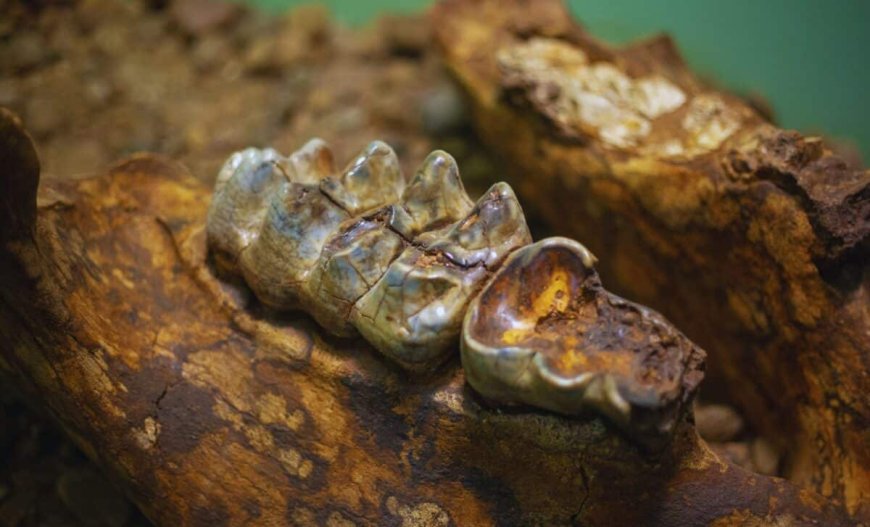
A jawbone found in Taiwan, identified as belonging to the elusive Denisovans, challenges everything we thought we knew about where these mysterious hominins lived. Once believed to only inhabit cold, remote regions, the Denisovans were previously known only from fossils found in Siberia and Tibet.
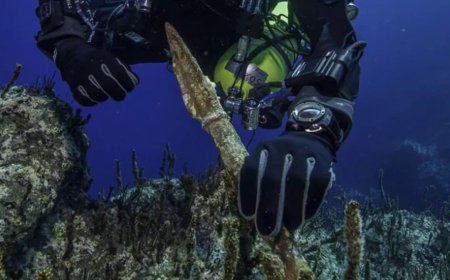
In 2008, an amateur fossil hunter named Kun-Yu Tsai bought a strange jawbone at an antique market in Southern Taiwan. The fossil had been pulled from the Penghu Channel by fishermen, and though it seemed vaguely human, Tsai couldn’t have known how significant his find would be.
A Unique Identification Process
It wasn’t an easy road to identify the Penghu 1 fossil. Standard methods like DNA sequencing didn’t work, largely because there wasn’t enough collagen to extract genetic material. So, researchers turned to an innovative method: paleoproteomics, which analyzes ancient proteins preserved in fossils. The results were extraordinary. According to a recent study published in Science, scientists were able to extract over 4,200 amino acid residues from the jawbone, which led them to discover five proteins that showed clear connections to Denisovans.
The team compared these proteins with known Denisovan DNA from fossils found in Siberia, such as a finger bone and a molar from Denisova Cave. This comparison confirmed that Penghu 1 was indeed a Denisovan fossil.

Denisovans: Not Just a Cold-Climate Species
For years, scientists thought the Denisovans were creatures of the cold, living in remote caves in places like Siberia and Tibet. They were believed to have adapted to freezing environments, much like Neanderthals. But Penghu 1 challenges that idea. The jawbone was found in a tropical and subtropical region, contradicting the idea that Denisovans lived in frozen landscapes.
“This identification confirms previous genomic predictions of the group’s widespread occurrence, including in warmer climates,” explained scientist Sacha Vignieri. This discovery suggests that Denisovans were far more adaptable than previously believed.

A Wider Distribution of Denisovans Than Previously Thought
In fact, the discovery fits with genetic studies that show traces of Denisovan DNA in people across Southeast Asia and even in Aboriginal Australians. As Takumi Tsutaya, a researcher on the study, explained, this finding indicates that Denisovans had a much wider distribution than previously assumed.
“The identification of Penghu 1 as a Denisovan mandible confirms the inference from modern human genomic studies that Denisovans were widely distributed in eastern Asia.”
Researchers now believe that the Denisovans were not restricted to cold northern climates but may have spread across East and Southeast Asia. It turns out that they were capable of living in environments very different from the harsh, cold caves of Siberia.
Enjoyed this article? Subscribe to our free newsletter for engaging stories, exclusive content, and the latest news.
What's Your Reaction?
 Like
0
Like
0
 Dislike
0
Dislike
0
 Love
0
Love
0
 Funny
0
Funny
0
 Angry
0
Angry
0
 Sad
0
Sad
0
 Wow
0
Wow
0