




























The Sun’s Solar Activity Peaks This March, Boosting Chances of Stunning Auroras

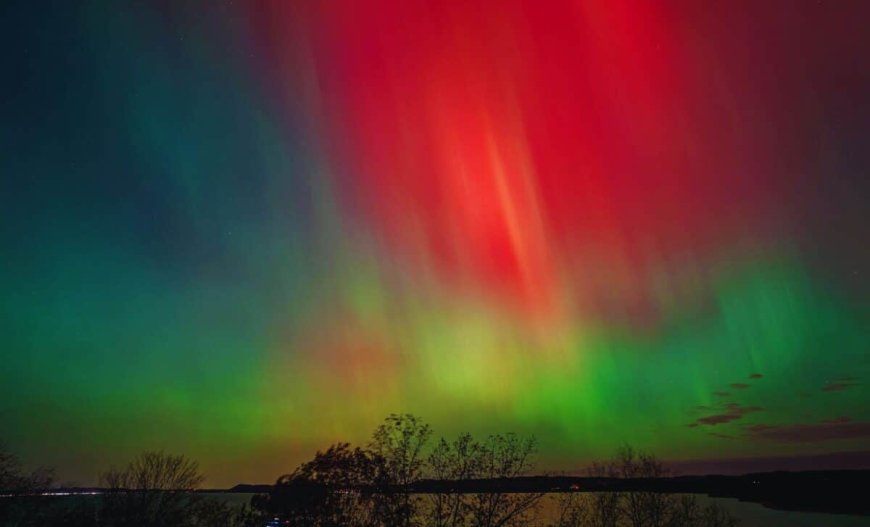
March 2026 could be a historic moment for stargazers and aurora enthusiasts alike. According to experts, this month might offer the best chance in nearly a decade to witness the mesmerizing Northern Lights. A rare combination of solar activity and the “equinox effect” could lead to more vivid and frequent auroras, especially in the Northern Hemisphere.
The “Equinox Effect” Boosts Northern Lights Activity
At 10:46 a.m. EDT (14:46 UTC) on March 20, the spring equinox will officially occur, marking the transition between seasons in the Northern Hemisphere. As Earth’s magnetic field aligns with the solar wind during this time, the “equinox effect” intensifies the likelihood of auroras.
This phenomenon, first explained in 1973 by scientists Christopher Russell and Robert McPherron, suggests that auroras are more common around the equinoxes in March and September. The solar wind’s south-pointing magnetic fields cancel out Earth’s north-pointing magnetic field, allowing charged particles from the sun to interact with Earth’s atmosphere and produce stunning auroras.
Solar Activity Peaks as Solar Maximum Winds Down
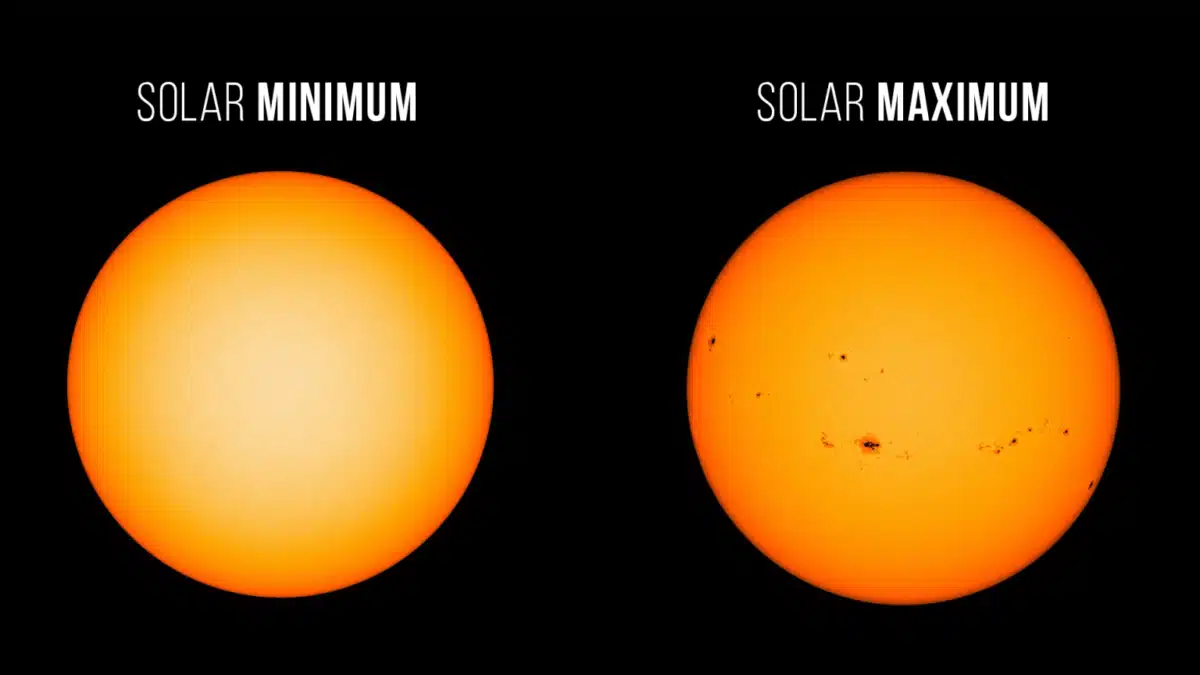
While the equinox effect increases auroral chances, solar activity plays a crucial role in the intensity of these displays. March 2026 arrives near the tail end of the solar maximum, the peak of the sun’s 11-year cycle of solar activity. The sun is currently at its most magnetically active, and solar flares and coronal mass ejections, bursts of charged particles that reach Earth, can create spectacular auroras when they collide with the atmosphere.

NASA and the National Oceanic and Atmospheric Administration (NOAA) report that the sun likely reached its solar maximum in October 2024, although it could take years to fully confirm. As solar activity begins to wane, the number of sunspots (cooler areas on the sun’s surface where magnetic activity is concentrated) is on the decline. The U.K. Met Office has noted that:
“This means that there remains an ongoing chance of further significant space weather events, which could bring the potential for aurora sightings for some, with a larger window for this visibility during the darker winter months.”
Will March’s Aurora Be Visible Farther South?
For those hoping to catch a glimpse of the Northern Lights beyond the usual high-latitude locations, it’s important to manage expectations. While the combination of the equinox effect and strong solar activity in March could produce impressive auroras, this does not guarantee that they will be visible at more southern latitudes in the Northern Hemisphere.
In early February, a large sunspot led to auroras appearing much farther south than usual, but that spot has since vanished. The unpredictable nature of solar activity means there’s no way to know if a new sunspot will emerge in time to create auroras visible to more people.
Even though the solar cycle is coming to a close, this month could provide one of the best chances to see the Northern Lights in years. However, it’s still uncertain whether the conditions will align perfectly to make the auroras visible over a larger area.
Enjoyed this article? Subscribe to our free newsletter for engaging stories, exclusive content, and the latest news.
What's Your Reaction?
 Like
0
Like
0
 Dislike
0
Dislike
0
 Love
0
Love
0
 Funny
0
Funny
0
 Angry
0
Angry
0
 Sad
0
Sad
0
 Wow
0
Wow
0