



























SpaceX Crew-12 Launch: A New Generation of Astronauts Takes on the ISS

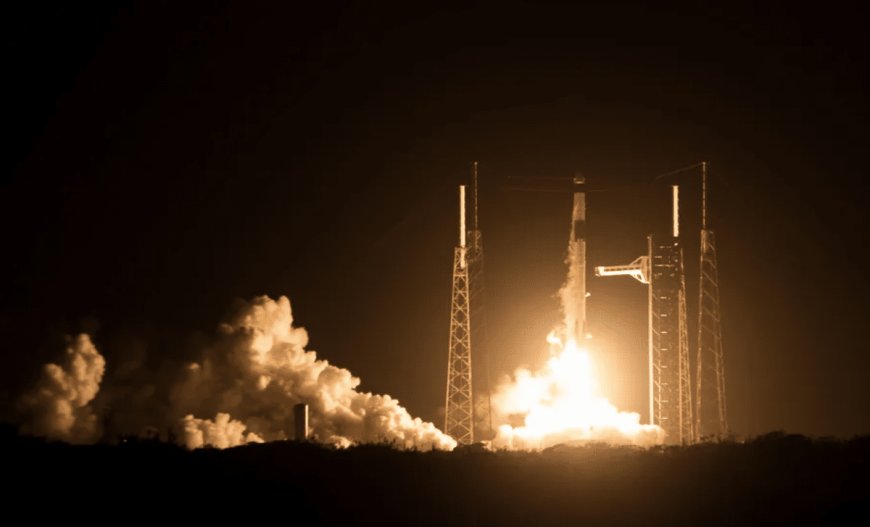
On February 13, 2026, SpaceX successfully launched its Crew-12 mission, sending four astronauts into orbit to support a short-staffed International Space Station (ISS) after a historic medical evacuation of an astronaut. According to NASA’s reports, the Crew-12 astronauts will perform crucial tasks including research and maintenance on the station. Their mission follows the unexpected early return of the Crew-11 team due to medical issues with one of its members. The Crew-12 mission offers a new generation of astronauts the chance to experience space for the first time, bringing fresh excitement to the exploration of space.
Launch Delays and Safety Measures: SpaceX’s Commitment to Reliability
The Crew-12 launch from Cape Canaveral Space Force Station in Florida was initially delayed by two days due to high winds and weather concerns along the spacecraft’s flight path. Despite these setbacks, the launch occurred earlier than originally planned. Bill Gerstenmaier, SpaceX’s vice president for Build and Flight Reliability, emphasized the importance of safety and thorough testing when explaining the delay. He stated,
“I really want to stress that what occurred on Starlink is unique to Starlink. We don’t do three burns with true missions,” referring to the specific circumstances surrounding the Starlink mission that led to an investigation. “We didn’t have to change anything [about Crew-12’s flight profile] based on what we learned from the Starlink mission.”
The Crew-12 mission marked a significant moment for SpaceX, as it was the second-ever crewed flight from Space Launch Complex 40 (SLC-40). This pad, which will support future Falcon 9 launches, had been adapted to accommodate new rockets, including SpaceX’s Starship. SpaceX has had to make several adjustments to its launch infrastructure, but with the completion of critical safety procedures, the mission proceeded smoothly.
The Crew-12 Astronauts: A Diverse and Talented Team Ready for Space
Crew-12 is a diverse group, featuring astronauts from NASA, Roscosmos, and the European Space Agency (ESA). Among the crew members is Jessica Meir, a NASA astronaut who has already made a significant mark on human spaceflight. Upon reaching orbit, Meir was heard saying, “That was quite a ride,” before adding, “We have left the Earth, but the Earth has not left us,” highlighting the profound impact of space travel. The team also includes ESA astronaut Adenot, who is experiencing space for the first time, and NASA astronaut Jack Hathaway, who brings fresh energy to the mission.
The journey to space for these astronauts was not just about fulfilling the mission objectives, but also about contributing to the next generation of space explorers. Andreas Mogensen, leader of ESA’s Human Exploration Group, shared his excitement about the Crew-12 mission during the prelaunch briefing: “We are really excited to see our new generation of astronauts getting their first experience in space.” This sense of enthusiasm for the future of space exploration permeates the entire mission.
A Focus on Research and Maintenance in Space
During their mission, Crew-12 will be performing critical research on the ISS, including studies on the effects of microgravity on human physiology, according to NASA. These experiments are essential for understanding how space travel affects the human body and will provide insights for longer-duration missions, such as potential missions to Mars. In addition to research, the astronauts will be tasked with maintenance duties, including two spacewalks that were initially delayed due to the medical emergency with Crew-11. The new team is prepared to continue these important tasks, ensuring that the ISS remains operational for future missions.
Crew-12’s tasks will also include supporting the ISS’s ongoing science programs and participating in the advanced research projects that are fundamental to humanity’s understanding of life beyond Earth. The astronauts’ efforts will also enhance the station’s capacity to serve as a launching point for future explorations in deep space. Their commitment underscores the collaborative spirit that has become a hallmark of international space exploration.
SpaceX’s Innovation in Crewed Spaceflight: What’s Next for Falcon 9 and Crew Dragon?
SpaceX has made significant strides in crewed spaceflight, and the success of Crew-12 is a testament to the company’s ability to innovate. The mission used Falcon 9, a reusable rocket system that is quickly becoming a cornerstone of the company’s spaceflight operations. Following the launch, the Falcon 9 booster executed a successful landing at SpaceX’s landing zone LZ-40, demonstrating the company’s continued focus on reusability. This system is designed to reduce the cost of space missions and increase the frequency of launches, bringing the goal of space exploration closer to reality for both public and private sectors.
The Crew Dragon spacecraft, which carried the astronauts, was also equipped with advanced features to ensure crew safety and comfort. The spacecraft will spend about 32 hours catching up with the ISS, where it is expected to dock today, February 14, 2026, at 3:15 p.m. EST. The continued success of SpaceX missions will play a key role in shaping the future of space travel.
Enjoyed this article? Subscribe to our free newsletter for engaging stories, exclusive content, and the latest news.
What's Your Reaction?
 Like
0
Like
0
 Dislike
0
Dislike
0
 Love
0
Love
0
 Funny
0
Funny
0
 Angry
0
Angry
0
 Sad
0
Sad
0
 Wow
0
Wow
0