
























Scientists Unearth a Giant Fossil Over 9 Meters Long in Morocco’s Ancient Phosphate Beds

Paleontologists have discovered a new fossil species, Pluridens imelaki, from the Late Cretaceous phosphate deposits in Morocco. This new species, which could exceed 9 meters in length, belongs to a group of mosasaurs known for their relatively slender jaws. According to Dr. Nicholas Longrich from the University of Bath, Pluridens imelaki is comparable in size to some of the largest predatory mosasaurs found in the region.
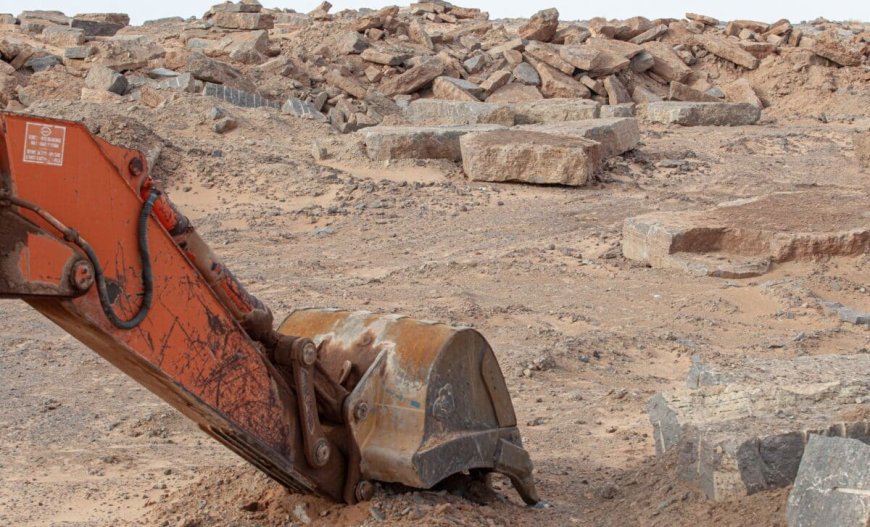
The remains of Pluridens imelaki were discovered in the phosphate beds of Sidi Chennane, located in Morocco’s Khouribga province. The species lived around 66-67 million years ago, during the latest Maastrichtian stage of the Cretaceous period.

The discovery shows that the Halisaurinae subfamily, previously thought to be made up of smaller species, actually included larger animals which was much bigger than other members of its genus.
The Unexpected Giants of the Prehistoric World
Mosasaurs from the Halisaurinae subfamily were once thought to be smaller than those from other groups, like Mosasaurinae. However, Pluridens imelaki proves otherwise, making it one of the largest known mosasaurs in its genus. Earlier species in the Pluridens genus rangedfrom 4 to 7.5 meters in length, so P. imelaki represents a significant increase in size. As Dr. Nour-Eddine Jalil from the Muséum National d’Histoire Naturelle in Paris, explained:
“Rather than simply being outcompeted by Mosasaurinae, the Halisaurinae staged a minor adaptive radiation in the Late Cretaceous and were important members of the ecosystem in low latitudes.”

Dr. Nicholas Longrich pointed out that the Late Cretaceous saw a rise in mosasaur diversity, particularly in Morocco. The country’s phosphate deposits have produced more than 16 species of mosasaurs, with representatives from all four main mosasaur families: Mosasaurinae, Plioplatecarpini, Tylosaurinae, and Halisaurinae. Dr. Longrich explained that:
“The most diverse known mosasaurid assemblage, and possibly the most diverse marine reptile fauna in the world, comes from the Late Maastrichtian phosphatic beds of Morocco.”
What We’re Learning from This Ancient Fossil?
The fossil remains of Pluridens imelaki consist of a 1.25-meter-long skull andassociated lower jaws. These phosphate beds are part of a larger marine deposit series that formed along the eastern edge of the Atlantic during the Late Cretaceous and Early Paleogene periods. The region is known for its rich collection of marine reptile fossils, including many species of mosasaurs.
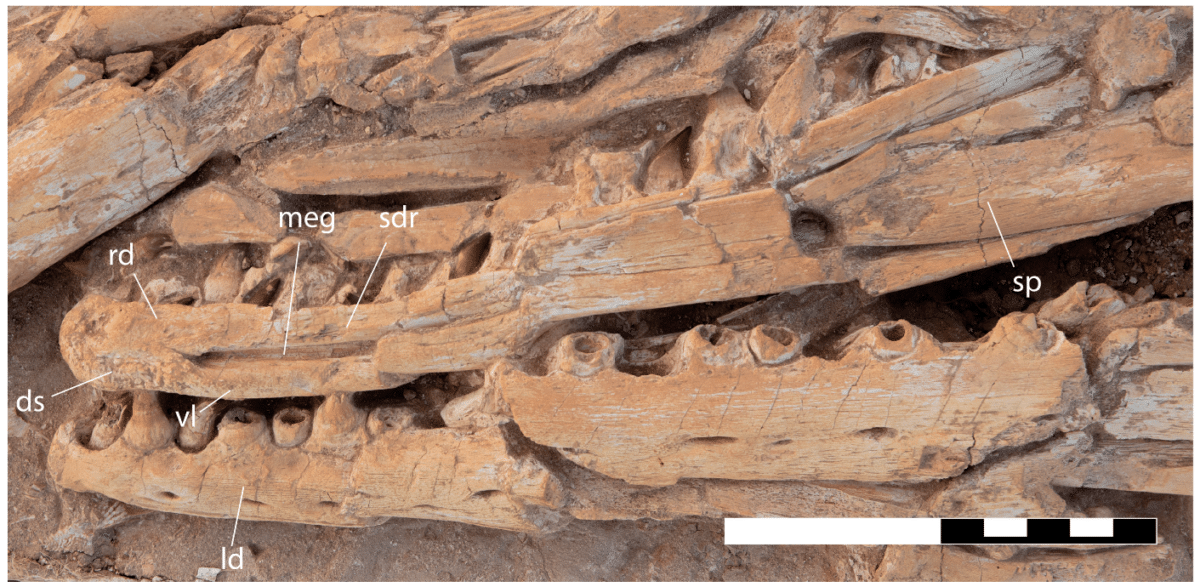
As mentioned in the study, published in Diversity , differences in jaw structure, tooth shape, and eye size indicate that the fossil probably occupied a specific ecological niche. Although the exact details of its diet are still uncertain, it is clear that this species adapted to a particular environment in the Late Cretaceous oceans. As Dr. Longrich and Dr. Jalil noted:
“Pluridens imelaki reveals that Halisaurinae were not only more species-rich than previously recognized, but also exhibited greater diversity in tooth morphology, jaw shape, and body size than previously thought.”
A Paleontological Haven in the Moroccan Desert
Morocco’s phosphate deposits are one of the most important sources of Late Cretaceous marine fossils. The Sidi Chennane phosphate beds have yielded numerous species of mosasaurs, making them one of the richest sites for marine reptile fossils in the world.
Dr. Longrich highlights that these deposits give scientists valuable insights into the marine ecosystems of the Late Cretaceous, with members of all four major mosasaur subfamilies found in the region.
“The phosphate beds represent a marine upwelling zone, which was laid down in a shallow marine embayment along the eastern margin of the Atlantic between the Late Maastrichtian and the Early Eocene,” explained the researchers.
Enjoyed this article? Subscribe to our free newsletter for engaging stories, exclusive content, and the latest news.
What's Your Reaction?
 Like
0
Like
0
 Dislike
0
Dislike
0
 Love
0
Love
0
 Funny
0
Funny
0
 Angry
0
Angry
0
 Sad
0
Sad
0
 Wow
0
Wow
0