




























Scientists Just Discovered Huge Underground Tunnels In South America, They’re Not The Work Of Humans Or Nature

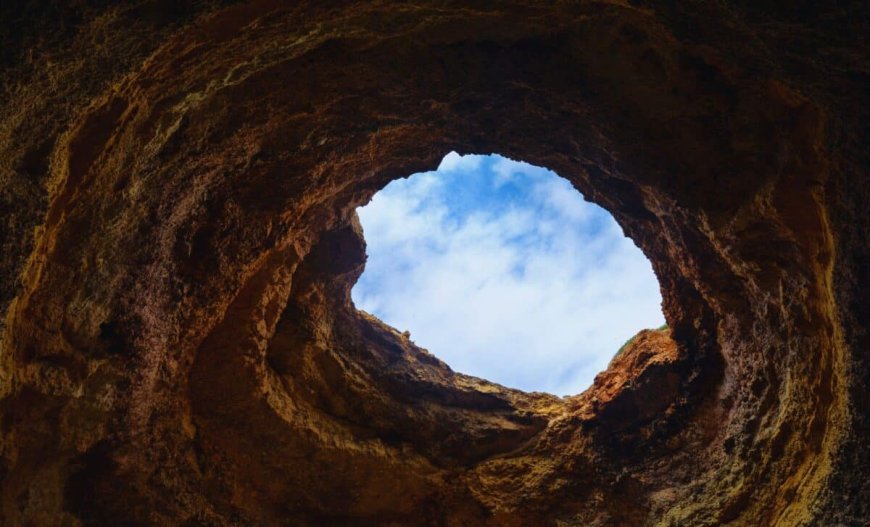
Buried beneath the hills of southern Brazil and northern Argentina, scientists have discovered massive tunnels that were likely dug by giant Ice Age creatures. These tunnels, which stretch up to 600 yards long and are wide enough for an adult human to walk through, weren’t made by humans or natural geological processes.
Over the past decade, researchers have mapped over 1,500 of these giant tunnels, revealing an ancient underground world once inhabited by colossal animals. These passages, stretching across solid rock, bear distinctive claw marks along their walls, suggesting that they were carved out by prehistoric giants.
The Mysterious Tunnels That Defy Explanation
These underground chambers are not like your typical caves created by rivers or geological forces. According to Heinrich Frank, a geologist at the Federal University of Rio Grande do Sul in Brazil, the tunnels’ shape and structure don’t match any known natural or human-made formations.
“There’s no geological process in the world that produces long tunnels with a circular or elliptical cross-section, which branch and rise and fall, with claw marks on the walls,” he said. “I’ve [also] seen dozens of caves that have inorganic origins, and in these cases, it’s very clear that digging animals had no role in their creation.”
They are also located in places where digging would have been difficult for both humans and machines, areas composed of tough sandstone and volcanic rock. This suggests that giant sloths were responsible for these impressive underground structures.
As explained by the study, published in Ichnos, some of the chambers even show signs of having been widened and reused, indicating that they were not simply dug once but were maintained over time.

Who Were the Tunnel Builders?
To figure out which animals were behind these tunnels, researchers looked at the size of the burrows and the claw marks on the walls. The largest tunnels are at least 6 feet wide and tall, which fits the size of giant ground sloths, particularly Megatherium. This species, which could grow up to 12 feet tall and weigh as much as four tons, is thought to be the main culprit behind these tunnels.
Frank’s team found that the the long, curved claws left on the walls match the characteristics of sloth claws, rather than the shorter claws of other animals like armadillos.
“So if a 90-pound animal living today digs a 16-inch by 20-foot borrow, what would dig one five feet wide and 250 feet long?” noted Frank. “There’s no explanation – not predators, not climate, not humidity. I really don’t know.”

The Giant Sloths Who Carved the Tunnels
Unlike typical fossils, which only show the physical remains of animals, these tunnels are “trace fossils” that preserve evidence of ancient activity. By studying the tunnels, scientists can learn about where sloths lived, how they interacted with their surroundings, and what kind of habitats they preferred.
The discovery of these burrows also sheds light on how the Ice Age environment changed after the extinction of megafauna. As the palaeontologists noted in Science Advances:
“It is possible that the behavior was playful, but human interactions with sloths are probably better interpreted in the context of stalking and/or hunting.” They added, “sloths would have been formidable prey. Their strong arms and sharp claws gave them a lethal reach and clear advantage in close-quarter encounters.”

Enjoyed this article? Subscribe to our free newsletter for engaging stories, exclusive content, and the latest news.
What's Your Reaction?
 Like
0
Like
0
 Dislike
0
Dislike
0
 Love
0
Love
0
 Funny
0
Funny
0
 Angry
0
Angry
0
 Sad
0
Sad
0
 Wow
0
Wow
0