



























Scientists Discover Massive Ancient Stone Wall Underwater, Hidden for Over 10,000 Years

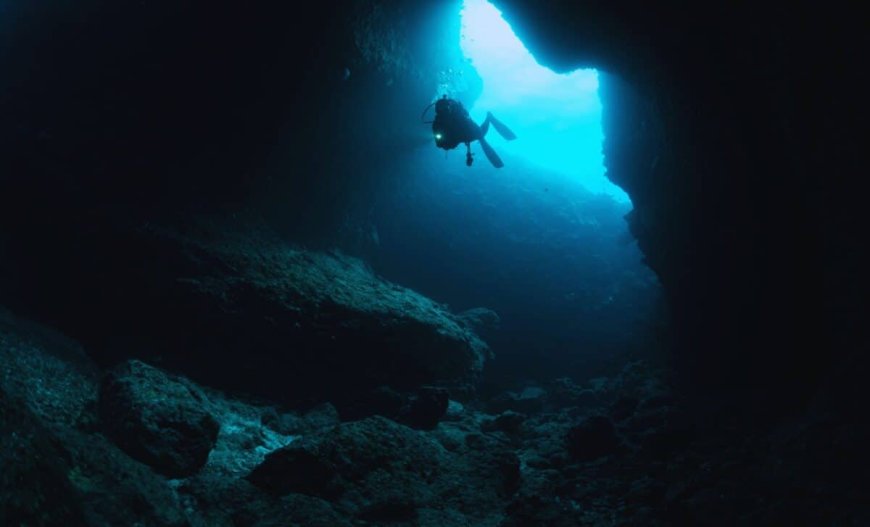
Researchers have uncovered a 3,000-foot-long stone wall buried beneath the Baltic Sea. This ancient structure, more than 10,000 years old, was discovered by a class on a field trip in northern Germany. The discovery took place in the Bay of Mecklenburg, where a team from the University of Kiel was conducting research using echosounders. At first, they had no idea what they had found, but as they studied the site, they quickly realized the significance of the stone wall.
This wall, likely constructed over 10,000 years ago, is now recognized as one of the oldest and largest known hunting structures from the Stone Age.
A Lucky Find Turns into a Big Discovery
The underwater wall was discovered quite by accident. During a University of Kiel field trip, students were using echosounders to map the seafloor when they came across the massive stone structure, 70 feet underwater. At first, the team didn’t know what to make of it.
But once they took a closer look, the team realized they had found “something interesting.” According to a study, pubslished in The Proceedings of the National Academy of Sciences (PNAS), the wall stretches for more than half a mile and is made up of approximately 1,673 stones. These stones are arranged in a way that clearly shows the wall was built intentionally; it’s too perfectly structured to have formed naturally. As the lead authors explained:
“It’s usually small stones—like tennis or soccer ball size—so movable stones,” he stated. “But then at some places where we have a large stone, the direction of the wall changes.”
The fact that the stones had been placed so deliberately led the team to believe this was a human-made structure, not just a result of natural forces like glaciers.

A Stone Age Hunting Tool
According to Berit Eriksen, a prehistoric archaeologist at the University of Kiel, the structure was likely used to help hunt reindeer. At first, she was skeptical that it was a man-made hunting tool, but the evidence soon convinced her. The wall was positioned next to a submerged shoreline, with water on one side; perfect for guiding reindeer along the wall’s length and into a “shooting blind” where hunters could catch them more easily.
Reindeer are known to follow walls, which would have made it easier for the hunters to direct them into a contained area. This clever design would have allowed the hunters to trap large groups of reindeer, a necessary step for surviving in the harsh conditions of the Stone Age. The wall shows just how advanced early humans were in using their surroundings to their advantage.

A New Take on Prehistory
The wall is one of the oldest known hunting structures in Europe and offers valuable insight into the strategies early people used to survive. As research continues, the team hopes this find will shed light on ancient mobility patterns, territorial use, and how people adapted to their environment.
As reported by Jacob Geersen, a marine geologist leading the research, the discovery could change the way we view prehistoric life in the Western Baltic Sea region.
“It will become important,” the experts wrote, “for understanding subsistence strategies, mobility patterns, and inspire discussions concerning the territorial development in the Western Baltic Sea region.”
Enjoyed this article? Subscribe to our free newsletter for engaging stories, exclusive content, and the latest news.
What's Your Reaction?
 Like
0
Like
0
 Dislike
0
Dislike
0
 Love
0
Love
0
 Funny
0
Funny
0
 Angry
0
Angry
0
 Sad
0
Sad
0
 Wow
0
Wow
0