


























Scare Tactic Marketing - Buy Everything
Scare Tactic Marketing - Buy Everything

🚨 BREAKING SNOW STORM COVERAGE 🚨
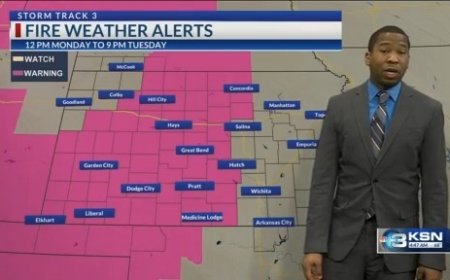
A snowstorm was rumored to be coming…
The entire State immediately went into total panic❄️😱
Everyone rushed to the stores and bought:
✔️ All the eggs
✔️ All the bread
✔️ All the milk
✔️ All the poultry
✔️ All the beef
✔️ All the meat & cheese
✔️ All the vegetables
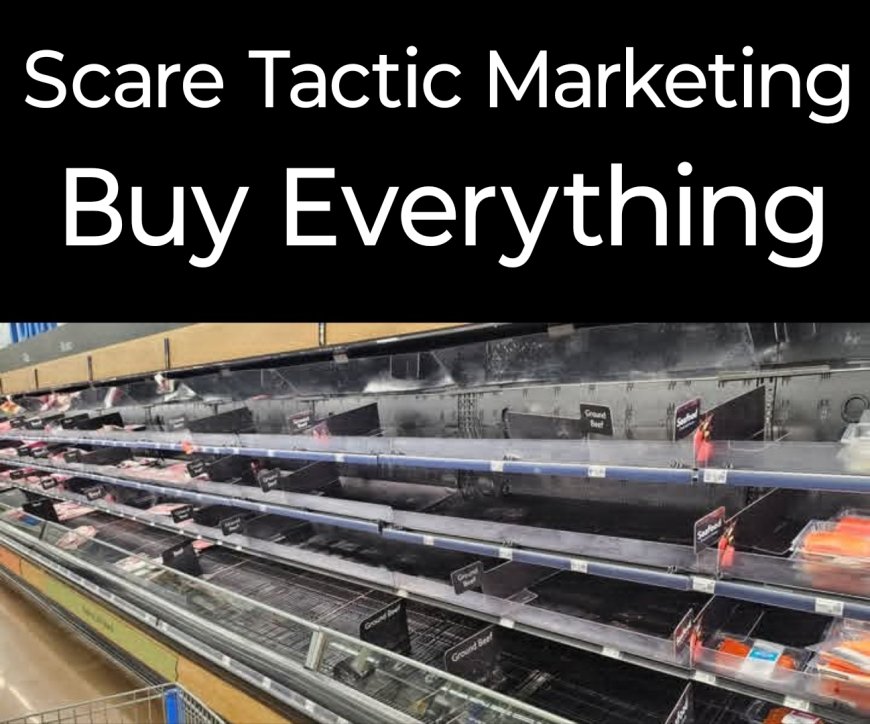
Snow hasn’t even started yet and the shelves already look like a post-apocalyptic disaster.
The practice of using bad weather to encourage consumer purchases is an application of fear-based marketing (or "scare tactics") that capitalizes on a psychological phenomenon called panic buying. Retailers and marketers leverage the anxiety and the desire for control that consumers experience when faced with an impending natural disaster such as a bad snow storm on the horizon.
The Psychology Behind It
Anxiety and Control: When a severe weather event is forecast, people feel a lack of control over the situation. Purchasing supplies becomes a way to exert some control over their immediate environment and feel prepared.
Herd Mentality: Shoppers see others buying large quantities of goods and are influenced to do the same, believing "everyone is doing it so I should be doing it too". This can quickly lead to stripped shelves and a sense of urgency.
Fear-Based Appeals: Studies have shown that fear-based appeals can be effective in changing consumer attitudes and behaviors, especially when they provide a clear way to mitigate the perceived threat (i.e., buying the recommended items).
Mood Influence: Bad weather can negatively impact mood, which, in turn, can affect purchasing decisions. Interestingly, rainy weather has been linked to increased online spending, as people are less likely to travel to brick-and-mortar stores.
Marketing Applications
Marketers use weather data to inform their strategies and target consumers at the most opportune times. This includes:
Weather Targeting: Delivering ads for specific products (e.g., snow shovels, canned goods, raincoats) to users in real-time based on their local weather conditions and forecasts.
Inventory Management: Using sophisticated weather models to ensure high-demand items are well-stocked ahead of a predicted weather event.
Promotional Messaging: Using ad copy that plays on the urgency created by an approaching storm (e.g., "prepare now," "stock up on essentials").
Highlighting Services: Advertising delivery services during bad weather to appeal to consumers who prefer to stay home.
Consumer Preparedness
Officials and experts recommend that individuals prepare for potential weather events in advance to avoid last-minute panic buying, which can cause stockouts for others. Reputable sources like the National Weather Service provide reliable information and guidelines for preparedness. The American Red Cross recommends having at least a three-day supply of food, water, and other essentials, along with flashlights, batteries, and medications, as part of a general emergency plan.
What's Your Reaction?
 Like
0
Like
0
 Dislike
0
Dislike
0
 Love
0
Love
0
 Funny
0
Funny
0
 Angry
0
Angry
0
 Sad
0
Sad
0
 Wow
0
Wow
0