

























Researchers Found 24 Tracks in a Polar Region, Revealing How Dinosaurs Rocked a Frozen World 128 Million Years Ago

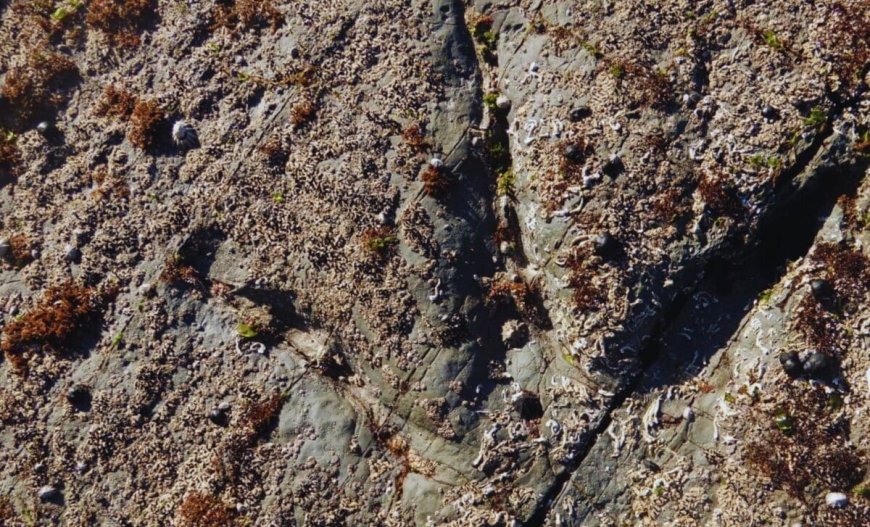
The 24 dinosaur tracks, dating back 120 to 128 million years, confirm that large theropod dinosaurs once roamed a polar environment, likely during the warmer summer months when the ice would thaw.
The tracks were discovered in the Wonthaggi Formation, an area rich in fossil records from the time when Australia was still connected to Antarctica. According to researchers, this discovery provides the clearest evidence yet of polar dinosaurs, showing that a variety of species, including large carnivores and smaller herbivores, once thrived in this ancient polar ecosystem.
Discovering How Polar Dinosaurs Lived
As explained in the press release published by Museums Victoria, the fossilized tracks were uncovered by an international team of paleontologists, led by Dr. Anthony Martin from Emory University, with collaboration from Dr. Thomas Rich of Museums Victoria and Dr. Patricia Vickers-Rich from Monash University.
The imprints, preserved in floodplains next to channel sandstones, suggest that these dinosaurs traversed the landscape during polar summers when temperatures were milder, likely following seasonal flooding after the spring thaw. As Dr. Rich stated that:
“The discovery of numerous theropod tracks in the Cretaceous rocks of Victoria is the best evidence to date that these former polar environments supported a variety of dinosaurs, including large carnivores that most likely preyed on smaller dinosaurs, fish and turtles.”

A Variety of Dinosaur Tracks
Of the 24 footprints discovered, 18 are attributed to theropods, large carnivorous dinosaurs with distinctive sharp claws. These ones range from 18 to 47 centimeters in length, with the size variation suggesting both juvenile and adult dinosaurs roamed the region. Besides theropod tracks, four ornithopod tracks were discovered, marking the first time these herbivores have been identified in the Wonthaggi Formation.
The presence of both small and large dinosaur tracks supports the idea that these creatures may have nested and raised their young in this polar environment. As Dr. Martin explained, this discovery of juvenile tracks indicated that “these dinosaurs may have nested and raised their young in the polar environment.”

The Dinosaur Dreaming Project
The ongoing Dinosaur Dreaming Project, which has been led by Dr. Rich and Dr. Vickers-Rich since the 1970s, has been pivotal in uncovering Australia’s ancient dinosaur past. Their team, which also includes volunteer fossil hunter Melissa Lowery, has made significant contributions to our understanding of prehistoric life.
“While many of us were home watching reruns of ‘Jurassic Park,’ she was out finding dinosaur tracks. She has this incredible eye that allows her to pick out distinctive patterns from surrounding materials. I call it ‘ichno-vision.’ It’s her superpower,” stated Dr. Martin.
The Wonthaggi Formation is one of the most significant fossil sites in the Southern Hemisphere. The discovery of this new evidence adds to the growing body of evidence that the polar regions, though harsh, supported thriving ecosystems. As Dr. Martin added:
“We’re continuing to discover more tracks in the area. The more we find, the clearer picture we hope to get of these ancient polar ecosystems.”

Enjoyed this article? Subscribe to our free newsletter for engaging stories, exclusive content, and the latest news.
What's Your Reaction?
 Like
0
Like
0
 Dislike
0
Dislike
0
 Love
0
Love
0
 Funny
0
Funny
0
 Angry
0
Angry
0
 Sad
0
Sad
0
 Wow
0
Wow
0