


























NASA’s Artemis II Wet Dress Rehearsal Set for February 19

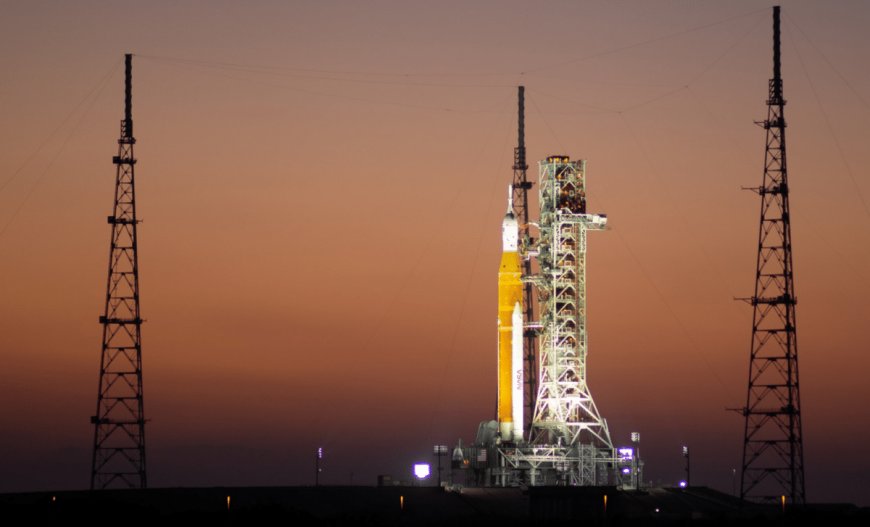
NASA has set its sights on February 19 for the second wet dress rehearsal of the Artemis II mission, an essential step before launching the Space Launch System (SLS) rocket. According to NASA’s official report, this rehearsal will involve complex operations, including fueling the rocket and testing launch countdowns to simulate a real-world launch scenario. As the Artemis program aims to return astronauts to the Moon, the precision and success of this rehearsal will be critical in ensuring the mission’s readiness for liftoff.
The Importance of the Wet Dress Rehearsal for Artemis II
The wet dress rehearsal (WDR) is one of the most critical milestones in the preparation for any space mission, particularly for a mission as ambitious as Artemis II. This comprehensive test is designed to ensure that the systems involved in the launch process function seamlessly. It simulates every step leading up to an actual launch, from fueling the rocket to performing countdown operations and even practicing “scrub” procedures in case of an emergency or a weather delay.
For Artemis II, NASA engineers will load cryogenic liquid propellants into the SLS rocket’s tanks, closely monitoring the entire process to ensure the rocket is capable of carrying out its mission safely and efficiently. In addition, this exercise will put the countdown procedure through its paces, which is a vital component of the launch operation. The rehearsal also includes practicing abort scenarios, ensuring that the team is well-prepared for any last-minute technical issues that could arise.
The rehearsal is not just a simple simulation; it’s an intense, real-time test of the systems that will eventually carry astronauts on a journey around the Moon. This practice session provides engineers with critical data on how each component behaves under the pressure of a countdown, and the insights gathered from it will be invaluable in fine-tuning the final stages of the Artemis II launch sequence.
A Detailed Look at the Upcoming Wet Dress Rehearsal
NASA’s wet dress rehearsal for Artemis II is set to last for nearly 50 hours. Starting on February 17, the team will initiate the countdown process from the Launch Control Center at Kennedy Space Center in Florida. Over the course of this time, they will simulate every critical phase of the mission, including the final 10 minutes of the countdown, which is known as the terminal count.
During the terminal count, operators will pause at specific points, at T-1 minute and 30 seconds, for up to three minutes, before continuing to T-33 seconds before the simulated launch. The countdown will then “recycle” back to T-10 minutes for a second run through the final stages, stopping just before the critical T-30 seconds mark. This exercise simulates the process of having to halt or delay a launch for technical reasons, weather concerns, or other unforeseen issues. Practicing these steps ensures that the team can adapt quickly if something goes wrong in the real-world scenario.
In addition to the countdown operations, the rehearsal also includes the crucial task of practicing the Orion spacecraft’s closeout operations. This process involves preparing the spacecraft for launch by closing its hatches and ensuring that it is fully sealed and ready to carry astronauts into space. While the Artemis II crew will not be present during this rehearsal, the team will still practice these critical steps to ensure smooth operations on the actual launch day.

NASA/Sam Lott
The Critical Role of Engineers in the Wet Dress Rehearsal
While the Artemis II mission involves many moving parts, the success of the wet dress rehearsal heavily depends on the expertise and coordination of NASA’s engineering teams. After a partial fueling test earlier in February, engineers discovered that a filter in the ground support equipment had caused a reduction in the flow of liquid hydrogen. The team acted quickly to replace the faulty filter, ensuring that the equipment would function optimally for the upcoming rehearsal.
This is just one example of how engineers play a pivotal role in the success of the Artemis program. Their ability to troubleshoot, innovate, and adapt to new challenges is crucial for ensuring that the rocket and spacecraft perform as expected. With the wet dress rehearsal providing key data, engineers will be able to make necessary adjustments and improvements ahead of the actual launch.
NASA’s engineering teams are not just preparing the hardware for launch; they are also testing the software and systems that will control the rocket and spacecraft during the mission. These systems must function flawlessly to ensure the safety and success of the astronauts onboard, and the wet dress rehearsal will provide valuable insights into how these systems behave under the pressure of a live countdown.
NASA’s Strategy for Launch Readiness
While the February wet dress rehearsal is an essential step, NASA officials have emphasized that the agency won’t set a formal launch date until after the rehearsal is successfully completed and the data has been reviewed. According to NASA’s assessments, the earliest opportunity for launch will likely occur on March 6, 2026. This is contingent on the success of the wet dress rehearsal, which must provide enough data for the agency to confidently transition the launch pad, rocket, and spacecraft into full launch operations.
NASA’s approach to planning the Artemis II mission is meticulous. The agency has built in flexibility by considering additional days in early March that could be suitable for launch. However, the decision to choose March 6 as the earliest possible launch date reflects the need for both sufficient preparation time and the data review process that follows the wet dress rehearsal.
By allowing for extra time between the rehearsal and the actual launch, NASA ensures that the team has ample opportunity to address any issues that may arise and to make any necessary adjustments to the spacecraft or rocket systems. This careful planning underscores the importance of ensuring that every phase of the mission is executed with precision.
Live Coverage of the Artemis II Wet Dress Rehearsal
NASA is offering a unique opportunity for space enthusiasts and the general public to follow the wet dress rehearsal in real-time. The agency will provide a 24/7 live stream of the SLS rocket at the launch pad, allowing viewers to witness the dramatic and intricate operations involved in preparing the rocket for launch.
Additionally, during the upcoming wet dress rehearsal, NASA will offer a separate feed with additional camera views on the day of fueling. This will give the public an inside look at the intense, high-stakes operations that take place behind the scenes. The Artemis blog will also provide regular updates, ensuring that those following the mission’s progress are kept informed every step of the way.
Enjoyed this article? Subscribe to our free newsletter for engaging stories, exclusive content, and the latest news.
What's Your Reaction?
 Like
0
Like
0
 Dislike
0
Dislike
0
 Love
0
Love
0
 Funny
0
Funny
0
 Angry
0
Angry
0
 Sad
0
Sad
0
 Wow
0
Wow
0