



























NASA’s Artemis II Lunar Mission Could Miss Its March Launch Window Amid Technical Issues

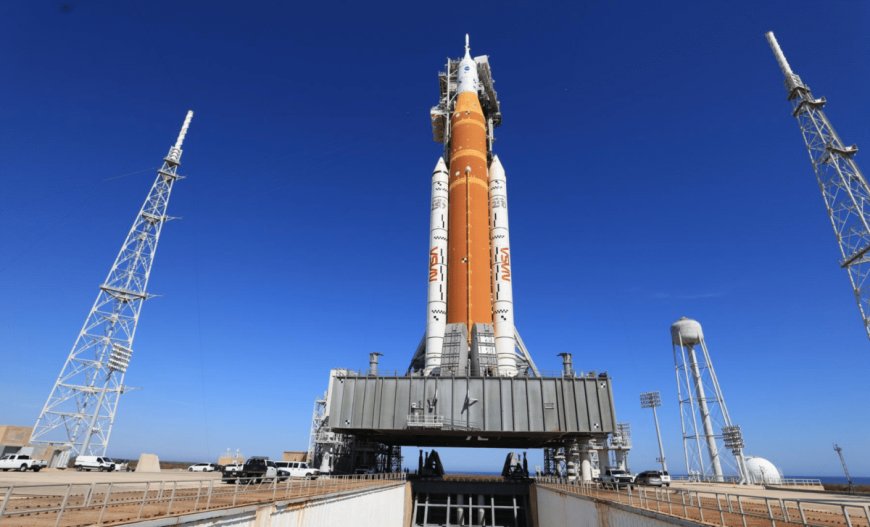
NASA’s Artemis 2 mission, poised to be the first crewed spaceflight beyond low Earth orbit since Apollo, is now facing significant delays. Originally slated for launch in March 2026, the mission has encountered an unexpected technical issue that could derail the timeline. According to a report from Space.com, NASA has confirmed that a helium flow problem within the Space Launch System (SLS) rocket’s upper stage is causing the delay. This issue is likely to push the Artemis 2 launch past its planned window, and while teams are working hard to resolve the issue, the new launch target is set for April.
The Artemis 2 Delay: Understanding the Issue
NASA’s Artemis 2 mission was nearing its final preparations when a significant problem arose. The issue centers on the helium flow to the rocket’s upper stage, which plays a crucial role in engine pressurization. Without proper helium flow, the propellant tanks, which contain liquid hydrogen and oxygen, cannot maintain the correct environment for the engines to function. The impact of this malfunction has been significant enough that NASA had to decide on a rollback of the Artemis 2 rocket to the Vehicle Assembly Building (VAB) for necessary repairs.
“This will almost assuredly impact the March launch window,” said NASA chief Jared Isaacman.
This setback is not entirely unexpected, as technical glitches are a common part of space exploration. However, the timing is particularly troublesome given how close the mission was to launching. The rocket and spacecraft were already positioned on the launch pad, and the March launch window was considered a narrow one, running from March 6 through March 9. Given the seriousness of the problem and the technical fixes needed, NASA has made the decision to postpone the launch.
After overnight data showed an interruption in helium flow in the SLS interim cryogenic propulsion stage, teams are troubleshooting and preparing for a likely rollback of Artemis II to the VAB at @NASAKennedy. This will almost assuredly impact the March launch window. @NASA will…— NASA Administrator Jared Isaacman (@NASAAdmin) February 21, 2026
The Rollback Process: What Does It Mean for Artemis 2?
In response to the helium flow issue, NASA has confirmed that they will begin rolling the SLS rocket and Orion spacecraft off the launch pad. “Weather pending, NASA will roll the SLS (Space Launch System) rocket and Orion spacecraft for Artemis II off the launch pad at the agency’s Kennedy Space Center in Florida as soon as Tuesday, Feb. 24,” NASA wrote in an update on Sunday. This rollback procedure, while routine in some respects, is a complex and time-consuming operation that requires a delicate balance of engineering expertise and logistical coordination.
Moving the rocket back to the VAB for repairs ensures that the necessary adjustments can be made safely. However, this action comes with a major consequence: “A rollback would mean NASA will not launch Artemis 2 in the March launch window,” as confirmed by NASA officials in their blog post. The mission’s timeline has now been shifted, with an April launch window becoming the primary target.
The New Target: Aiming for an April Launch Window
Despite the delay, NASA officials remain hopeful that the mission will be able to launch within the next few months. With the rollback taking place, engineers will have time to address the helium flow issue, along with any other concerns that might arise. As stated in NASA’s official update: “The quick work to begin preparations for rolling the rocket and spacecraft back to the VAB potentially preserves the April launch window, pending the outcome of data findings, repair efforts, and how the schedule comes to fruition in the coming days and weeks.”
The new April window offers some flexibility, with target dates of April 1, April 3-6, and April 30 available for launch. However, this timeline is far from certain, as it hinges on the successful completion of repairs and additional testing. The Artemis 2 mission is a high-stakes endeavor, and every aspect of the mission’s preparation must be flawless to ensure success.
NASA’s Commitment to Artemis: Ensuring Success Despite Setbacks
Despite the recent setbacks, NASA is committed to the success of the Artemis program, and teams are working diligently to resolve the technical issues.
“Teams are actively reviewing data, and taking steps to enable rollback positions for NASA to address the issue as soon as possible while engineers determine the best path forward,” NASA officials explained.
The Artemis 2 mission is a critical step in returning humans to the Moon and beyond, and NASA’s engineers are determined to ensure that all systems are fully functional before the mission launches.
The Artemis program has already faced numerous challenges, from early technical delays to the complexity of the SLS and Orion spacecraft. However, each obstacle is viewed as an opportunity to improve the systems for future missions, including the Artemis 3 mission, which aims to land astronauts on the lunar surface. By addressing the helium flow issue now, NASA will strengthen the integrity of the mission and increase the likelihood of success in the coming months.
Enjoyed this article? Subscribe to our free newsletter for engaging stories, exclusive content, and the latest news.
What's Your Reaction?
 Like
0
Like
0
 Dislike
0
Dislike
0
 Love
0
Love
0
 Funny
0
Funny
0
 Angry
0
Angry
0
 Sad
0
Sad
0
 Wow
0
Wow
0