





























Microplastics you swallow every day may reach your brain through five newly mapped routes, each one tied to Alzheimer’s or Parkinson’s

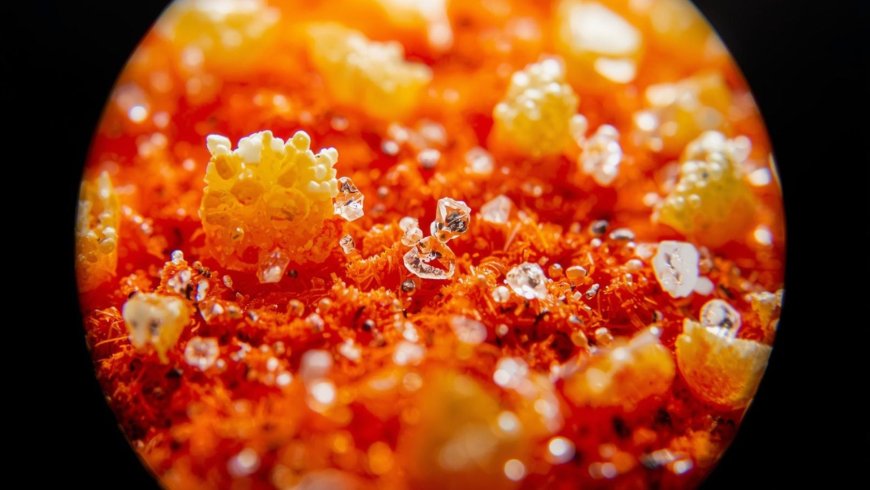
Adults may consume roughly 250 grams of microplastic particles each year — enough to cover a dinner plate. These fragments enter the body through seafood, bottled water, tea bags, and household dust, and studies show they don’t all pass through: some accumulate in human organs, including the brain.
A new international systematic review has now mapped five specific biological pathways through which accumulated plastic may trigger inflammation and damage linked to Alzheimer’s and Parkinson’s disease — raising serious questions about a pollutant most people encounter without a second thought.
Five pathways from plastic particle to brain damage
The systematic review, published in Molecular and Cellular Biochemistry and led by researchers at the University of Technology Sydney and Auburn University, identifies five biological mechanisms through which microplastics may harm the brain: immune cell activation, oxidative stress, blood-brain barrier disruption, mitochondrial interference, and direct neuronal damage.
What makes the findings particularly notable is how these pathways interact. Each can amplify the others, creating a compounding cycle rather than five separate, contained problems — and damage to one system weakens the brain’s ability to defend against the next insult.
Breaking down the barrier: how microplastics enter the brain
The blood-brain barrier is the brain’s primary line of defense against toxins and pathogens. According to Associate Professor Kamal Dua, microplastics weaken that barrier, making it “leaky.” Once compromised, immune cells and inflammatory molecules pass through — then cause further damage to the barrier itself, accelerating the breakdown in a self-reinforcing loop.
The body’s immune response compounds the problem. Brain immune cells detect microplastics as foreign intruders and mount a defensive reaction, generating inflammation in tissue that’s poorly equipped to tolerate it. Oxidative stress piles on from there: microplastics appear to increase levels of reactive oxygen species — unstable molecules that damage cells — while simultaneously weakening the antioxidant defenses that would normally neutralize them, tilting the cellular environment toward injury.
Energy failure in neurons: the mitochondrial connection
Neurons are among the most energy-demanding cells in the body. Their function depends on a steady supply of ATP — adenosine triphosphate — produced by mitochondria, and the review describes how microplastics may interfere directly with that production process.
When ATP supply falls, neuron activity weakens. Sustained energy shortfall can ultimately damage or destroy brain cells, impairing the basic machinery neurons need to survive and communicate. Crucially, this pathway doesn’t operate in isolation. As Associate Professor Dua noted, “all these pathways interact with each other to increase damage in the brain” — mitochondrial disruption, for instance, can worsen oxidative stress, which in turn further compromises the blood-brain barrier.
Links to Alzheimer’s and Parkinson’s: specific disease mechanisms
The review goes beyond general neurological harm to describe how microplastics may contribute to the hallmark features of specific diseases. In Alzheimer’s, they may promote the buildup of beta-amyloid and tau proteins — the abnormal deposits that characterize the condition. In Parkinson’s, microplastics could encourage the aggregation of α-Synuclein and damage the dopaminergic neurons whose loss drives the disease’s motor symptoms.
These are preliminary associations drawn from existing research, not confirmed causal links. But the biological plausibility is grounded in known disease mechanisms, which is part of what makes the review’s framing significant.
Dementia currently affects more than 57 million people worldwide, and diagnoses of both Alzheimer’s and Parkinson’s are expected to rise substantially in the coming decades. Even a modest contribution from an environmental factor as pervasive as microplastics would carry real public health weight.
What remains unknown — and what people can do now
The authors are careful to note that a direct causal link between microplastic exposure and neurodegenerative disease hasn’t yet been confirmed. The systematic review synthesizes existing evidence and maps plausible mechanisms, but controlled laboratory studies and long-term observational research are still needed before causation can be established.
Researchers are already working to close those gaps. First author Alexander Chi Wang Siu is collaborating with colleagues at Auburn University and UTS to study how microplastics affect brain cell function directly. Separate UTS research has examined how inhaled microplastics settle in the lungs, with ongoing work into the respiratory health effects.
On the practical side, Dr. Keshav Raj Paudel recommends avoiding plastic containers and cutting boards, skipping the tumble dryer, choosing natural fibers over synthetic ones, and cutting back on processed and packaged foods. None of these steps eliminates exposure, but they address some of the most significant sources in daily life.
The broader ambition behind the research is policy change. The authors hope their findings will inform environmental regulations around plastic production and waste management — areas where individual behavior, however conscientious, can only go so far. As the evidence base grows, how governments and industries respond may ultimately matter as much as the science itself.
What's Your Reaction?
 Like
0
Like
0
 Dislike
0
Dislike
0
 Love
0
Love
0
 Funny
0
Funny
0
 Angry
0
Angry
0
 Sad
0
Sad
0
 Wow
0
Wow
0