




























Locked Inside Ancient Rock, This 310-Million-Year-Old Shark Egg Case Has Just Been Found Preserved Against All Odds

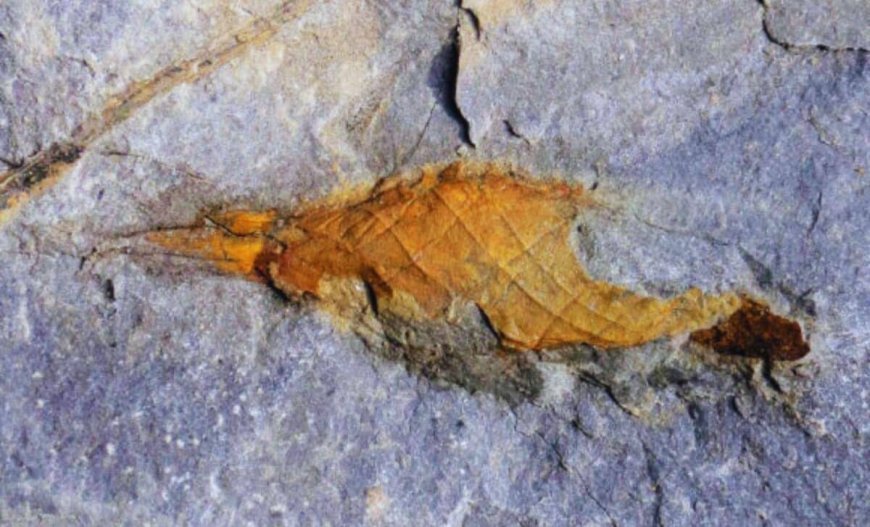
A 310-million-year-old shark egg case has been discovered in South Yorkshire. The fossil, identified by Dean Lomax and his team, stands out because soft-bodied remains like this almost never survive.
It is a small object, but it says a lot. Finds like this help fill in gaps about how sharks lived hundreds of millions of years ago, long before dinosaurs appeared. They have been around for an incredibly long time, and part of that success comes from how adaptable they are.
A Rare Fossil That Almost Didn’t Make It
The fossil was found near Doncaster, South Yorkshire, in rocks dating back to the Upper Carboniferous. According to research published in the Geological Journal, what makes this discovery special is that it preserved a soft structure, something that usually decays before it can fossilize. Dean Lomax, from the University of Manchester, pointed out how unusual this is.
“The shark egg case is particularly rare and significant, because it’s soft bodied and an unusual object to find fossilized.”
That reflects a broader issue in paleontology. Soft tissues rarely last long enough to become fossils, unlike bones or shells.
“The diverse flora and fauna consists of plants, bivalves, arthropods (primarily xiphosurans), tentaculitids (microconchids), fish scales, shark egg capsules and coprolites,” wrote the authors.

How Ancient Sharks Reproduced
This fossil shows that oviparity, or egg-laying, was already happening in the sea predators over 300 million years ago. As stated by Lomax and his colleagues, this is one of the earliest known reproductive strategies in sharks.
Modern egg-laying produce large eggs protected by tough outer cases. These cases often have tendrils that help anchor them to rocks or plants underwater. The fossil fits that general pattern, suggesting that this method has remained relatively stable over time.
Around 40 percent of these cartilaginous fish species still lay eggs today. This consistency over such a long period shows how effective this strategy has been.

A Snapshot Of An Ancient Ecosystem
The egg case did not come alone. The surrounding fossils give a better sense of what this environment looked like during the Carboniferous period. It was a complex ecosystem with a range of organisms living in the same area.
Based on details from the Geological Journal, the mix of species found at the site helps researchers piece together how these ecosystems functioned.
The fossils are now kept at the Doncaster Museum, where they have been added to the collection. Lomax mentioned that future digs at the site could reveal more rare finds. He also suggested that:
“We hope that future organized collecting of the site may reveal further rare discoveries. And who knows, maybe we will even find the actual shark.”
Enjoyed this article? Subscribe to our free newsletter for engaging stories, exclusive content, and the latest news.
What's Your Reaction?
 Like
0
Like
0
 Dislike
0
Dislike
0
 Love
0
Love
0
 Funny
0
Funny
0
 Angry
0
Angry
0
 Sad
0
Sad
0
 Wow
0
Wow
0