




























How Human Eyes Could Reveal Hidden Lunar Mysteries on NASA’s Artemis 2 Mission

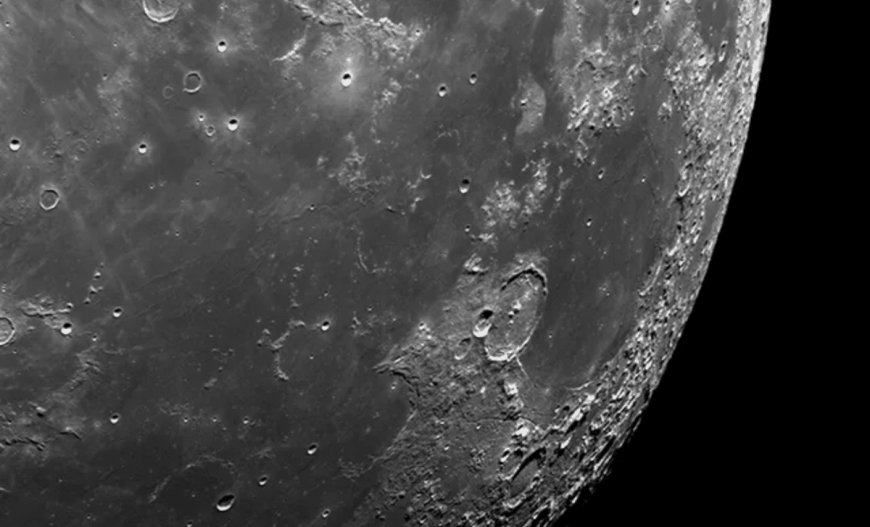
Astronauts aboard NASA’s Artemis 2 mission are set to study the Moon with one of the simplest yet most powerful tools available: their own eyes. This mission, launching more than 50 years after humans first circled the Moon during the Apollo era, signals a return to a direct, sensory method of lunar exploration. Unlike previous missions, where sophisticated instruments and cameras were the primary means of investigation, Artemis 2 will have astronauts directly observe and describe the lunar surface in real time. According to AFP, the astronauts’ reliance on their vision for key observations highlights the importance of human perception in modern space exploration.
The Human Eye as the Ultimate Instrument
The role of the human eye in space exploration might seem surprising at first, given the advanced technology at our disposal. However, Kelsey Young, the lead scientist for the Artemis 2 mission, argues that the human eye remains unparalleled in its ability to capture and interpret detail. “The human eye is basically the best camera that could ever or will ever exist,” Young told AFP. “The number of receptors in the human eye far outweighs what a camera is able to do.”
This exceptional capability makes the human eye a valuable tool for observing the Moon’s surface. Modern cameras, while capable of taking high-resolution photos, often lack the nuance of color and texture perception that humans can immediately recognize. The ability to discern subtle color shifts or variations in light, like how angled sunlight can reveal the topography of the lunar surface, is something that a camera struggles to replicate. It’s in these small details, such as variations in color or texture, that scientists can gain insight into the Moon’s composition and geological history.

Credit: Handout /NASA/AFP
The Goal: Seeing the Moon’s Hidden Colors and Textures
During the Artemis 2 flyby, astronauts will have a unique opportunity to observe the Moon in ways that go beyond what satellites and spacecraft have previously captured. Their primary task will be to look for signs of color and texture on the Moon’s surface, elements that reveal crucial information about its makeup and past. Noah Petro, head of NASA’s planetary geology lab, expressed his particular curiosity about the astronauts’ ability to spot subtle color changes, such as dark browns or tan shades.
“I don’t mean rainbow colors, but you know, dark browns or tan colors because that tells us something about the composition, and that tells us something about the history of the Moon,” he explained.
These color variations may provide clues about lunar geology and its formation process.
The human eye’s ability to detect these minute details is what makes it such an important instrument for Artemis 2. The astronauts will observe features on the lunar surface that may not be immediately apparent through other means. As Young put it, the astronauts’ eyes are their “magical instrument” for unlocking the secrets of the Moon.
Field Scientists in Space: Artemis 2 Astronauts Prepare for the Mission
To make the most of their observations, the Artemis 2 crew underwent years of intensive training to become “field scientists”—preparing for this task through a blend of classroom instruction, geological field trips, and simulated lunar flybys. The four astronauts—Commander Reid Wiseman, pilot Victor Glover, mission specialist Christina Koch, and Canadian astronaut Jeremy Hansen—were trained to recognize key features of the Moon’s surface, memorizing the “Big 15” lunar landmarks that will help them orient themselves during the flyby.
“The goal was to turn the astronauts into field scientists,” Young said. The astronauts practiced honing their observation skills using an inflatable Moon globe, allowing them to simulate how the Sun’s angle could change the colors and textures of the Moon’s surface. This meticulous preparation will ensure that the crew can provide valuable insights during the mission, contributing to the scientific understanding of the Moon’s surface in real-time.
A Unique Opportunity: Live Descriptions from the Moon’s Edge
While past missions have captured images and data from the Moon’s surface, Artemis 2 offers something different: live descriptions from astronauts in space. For many, the opportunity to hear astronauts speak about what they see firsthand is an invaluable moment. As David Kring from the Lunar and Planetary Institute noted, “having astronauts describing what they’re seeing… That is an occurrence that at least two generations of people on Earth have never heard before.” This live commentary will offer a personal and emotional connection to space exploration that is rarely experienced by the public.
NASA plans to broadcast the Artemis 2 flyby live, with the astronauts’ real-time observations providing a unique perspective of the Moon. Kelsey Young expressed her excitement for this milestone, saying, “Just listening to their practice descriptions in the mission simulations… It brings chills up my arms. I am absolutely confident that these four people are going to deliver some incredible descriptions.”
Enjoyed this article? Subscribe to our free newsletter for engaging stories, exclusive content, and the latest news.
What's Your Reaction?
 Like
0
Like
0
 Dislike
0
Dislike
0
 Love
0
Love
0
 Funny
0
Funny
0
 Angry
0
Angry
0
 Sad
0
Sad
0
 Wow
0
Wow
0