




























Geologists Discover One of the World’s Largest “Supergiant” High-Grade Gold Deposits, Worth $83 Billion

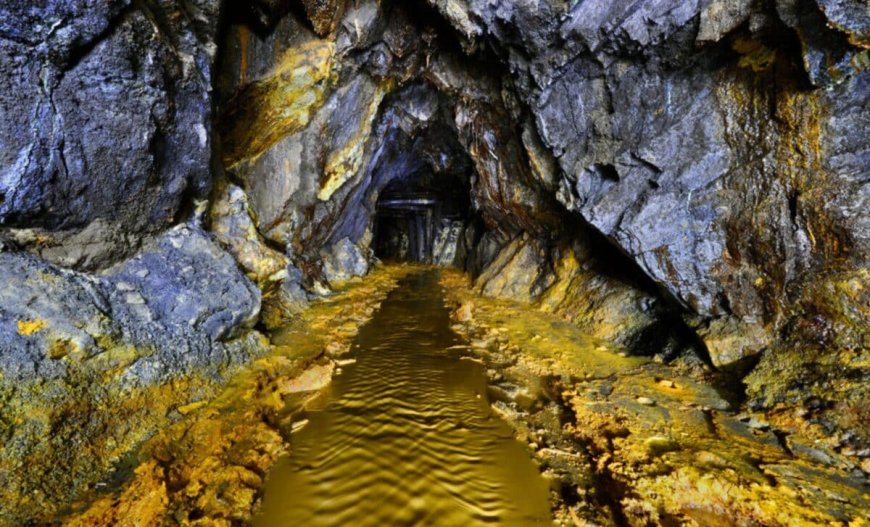
Wangu Gold Field researchers have identified a massive mineral deposit located deep beneath the surface of Pingjiang County. This discovery sits within the northeastern region of Hunan Province in central China. Teams worked for years to map the underground structures of the area before they reached the most significant layers of the site.
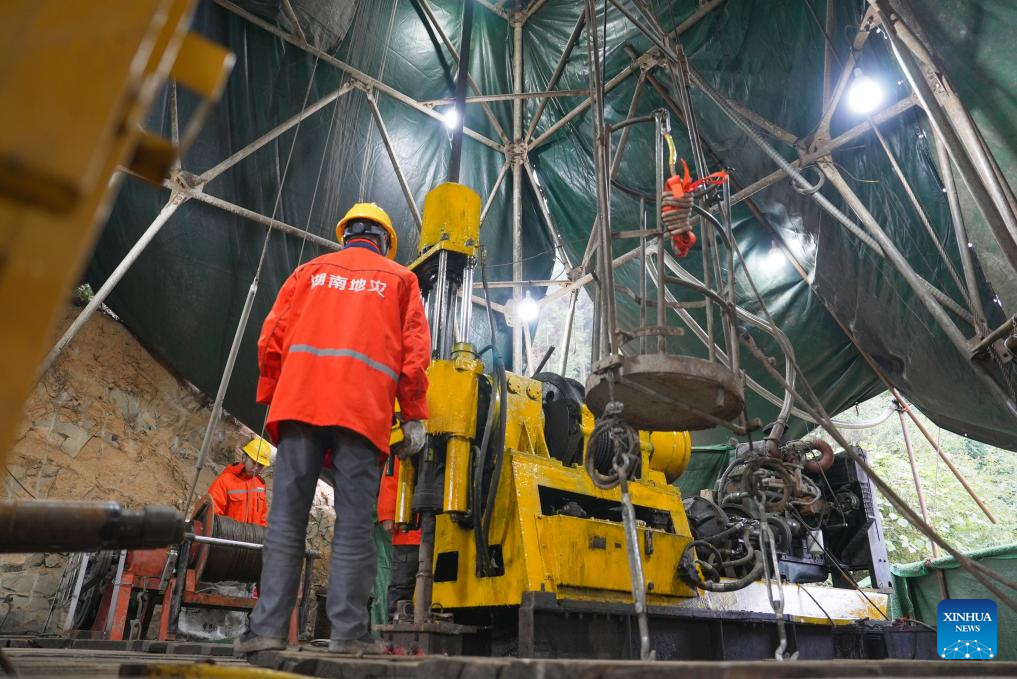
The exploration project involved drilling more than 40 holes to depths exceeding 2,000 meters. These boreholes allowed the technical teams to see into the Earth in ways that were previously impossible. They found dozens of distinct gold lodes stretching across the subterranean landscape.
The scale of the project required advanced 3D geological modeling to track how the minerals were distributed. Geologists looked for specific markers in the rock that indicated high concentrations of precious metals. The data gathered from these deep-drilling operations began to show a pattern that was much larger than the initial estimates suggested.
Searching the Depths of Hunan Province
The Hunan Provincial Geological Institute led the long-term exploration effort at the site. For decades, this region was known for smaller mining operations, but the true scale of the resources remained hidden. Chen Rulin, a researcher at the Hunan Provincial Geological Institute, explained that the team used new technology to look deeper than ever before.
The institute reported finding more than 40 mineral veins during the latest phase of the search. These veins of ore are located at a depth of approximately 1,500 meters. The sheer number of these veins suggests a complex and rich geological history for the region. Recent findings published in Nature Geoscience describe how similar tectonic shifts influence the placement of such massive deposits.
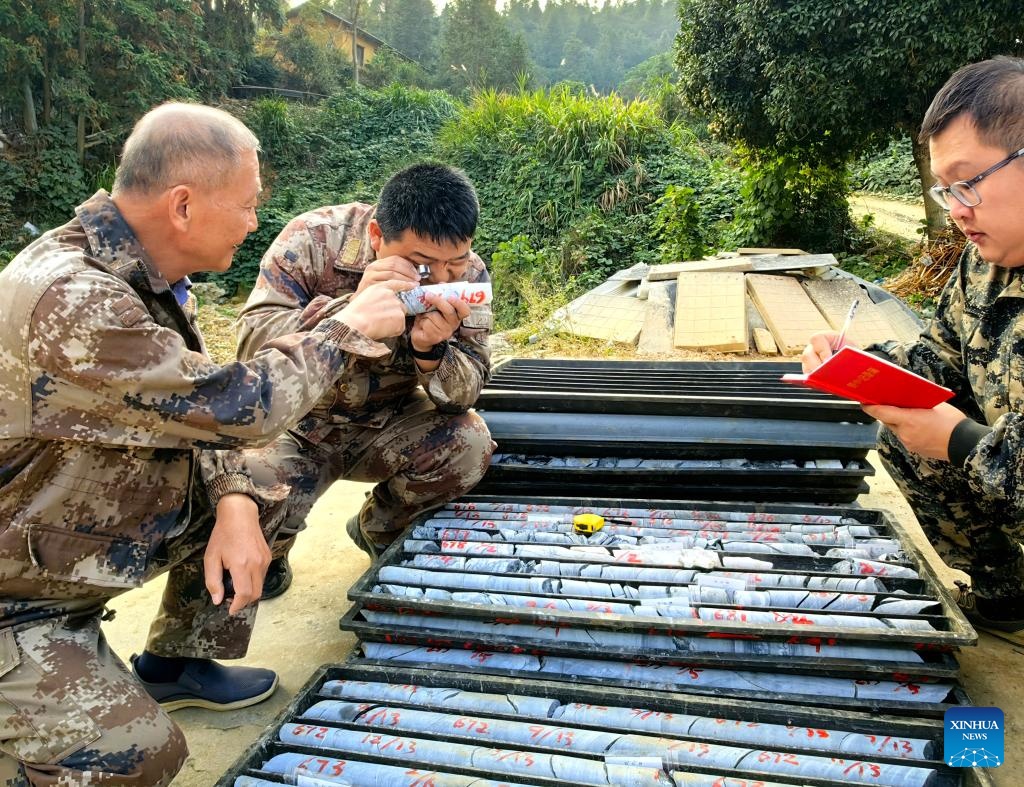
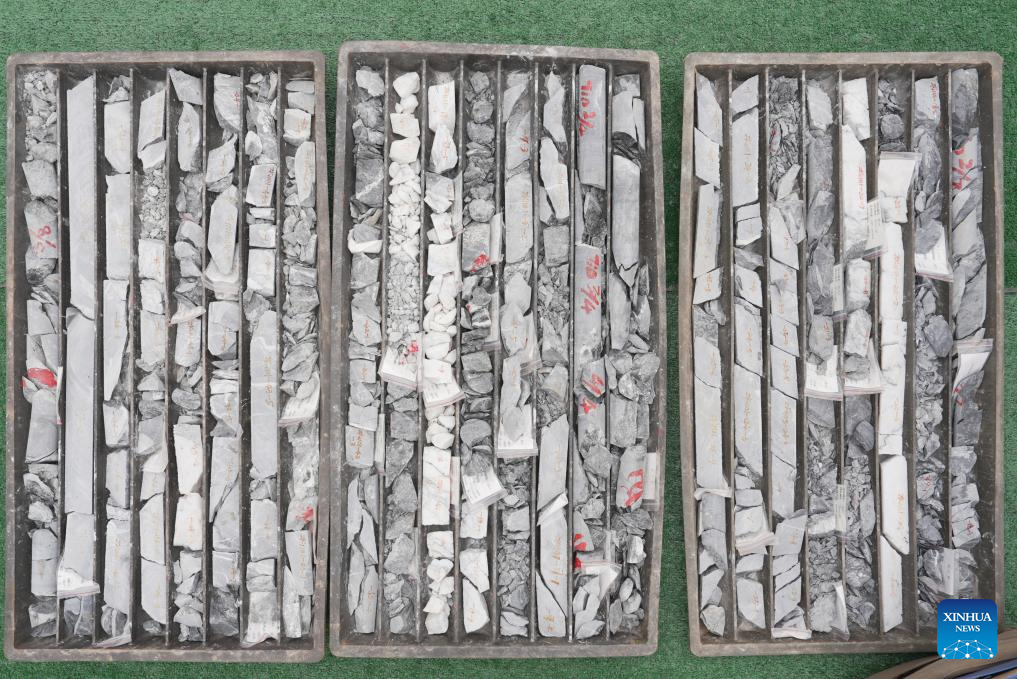
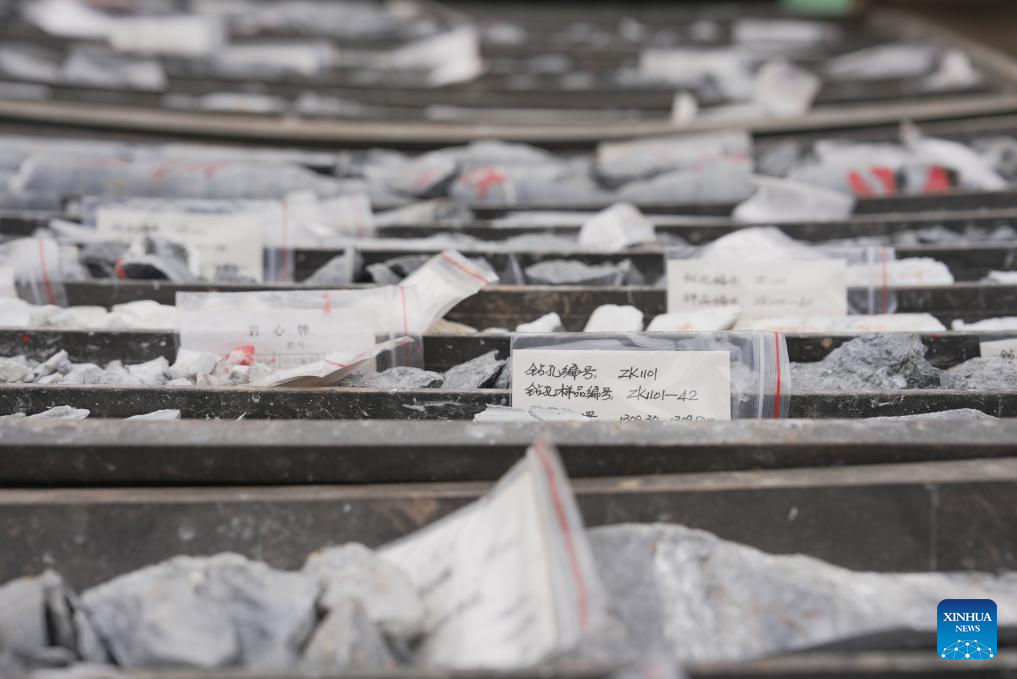
The technical team focused on a specific type of formation known as a supergiant gold deposit. This classification is reserved for sites that contain an immense amount of metal in a relatively concentrated area. To confirm the find, the team analyzed core samples taken from the deep drilling sites, as Xinhua News reported following the announcement.
Breaking Down the Resource Estimates
The total amount of gold identified in the high-grade core of the field is 300.2 metric tons. However, official statements indicated that the wider area likely contains much more. Based on computerized mapping, the researchers estimate that the total reserve could exceed 1,000 metric tons at depths beyond 3,000 meters.
To put the 300.2 metric tons into perspective, this single site contains a significant portion of known global reserves. It was noted that the ore is exceptionally high grade. Some samples showed a concentration of up to 138 grams of metal per ton of rock. This concentration makes the site one of the richest ever documented, surpassing the density of many top ten biggest gold mines globally.
The monetary value of the confirmed 300.2 metric tons is estimated at approximately 600 billion yuan, which is about $82.8 billion. This valuation is based on current market prices for the metal. The research team believes this discovery represents the largest find of its kind ever located in China, a detail highlighted by Popular Mechanics in their analysis of the site’s scale.
Technology and Geological Mapping
The success at the site relied on prospecting techniques that go beyond traditional mining methods. The institute used seismic surveys and advanced drilling rigs to reach the deep layers of the Earth. These tools allowed the geologists to map the veins with high precision.
Chen Rulin stated that many of the drill holes showed visible metal in the core samples. This physical evidence supported the data from the digital models. The ability to visualize the deposit in three dimensions helped the team decide exactly where to drill to maximize their findings.
The field sits along a major fault zone that served as a pathway for mineral-rich fluids millions of years ago. As these fluids cooled, they deposited minerals into the cracks and fissures of the surrounding rock. Understanding this specific geological mechanism was key to the success reported by the exploration team and has influenced gold prices as the market reacts to the news.
Global Context of the Discovery
A discovery of this size has immediate implications for the global supply of the metal. According to the World Gold Council, the total amount of the metal ever mined in human history is about 212,491 metric tons. Adding a potential 1,000 metric tons from a single location represents a notable increase in known underground stocks.
China is already the world’s largest producer of the metal, and this discovery will likely solidify that position. Reports indicated that the site is much larger than other famous mines, such as those found in South Africa or Australia. The high-grade nature of the veins means that extraction could be more efficient than at lower-grade sites.
The institute continues to process data from the site to refine their estimates. While the 300.2 metric tons are confirmed in the core area, the potential for 1,000 metric tons depends on further deep-well drilling. The technical difficulty of mining at 3,000 meters remains a challenge that the industry will have to address.
The exploration area covers more than 20 square kilometers in Pingjiang County.
Enjoyed this article? Subscribe to our free newsletter for engaging stories, exclusive content, and the latest news.
What's Your Reaction?
 Like
0
Like
0
 Dislike
0
Dislike
0
 Love
0
Love
0
 Funny
0
Funny
0
 Angry
0
Angry
0
 Sad
0
Sad
0
 Wow
0
Wow
0