





























Artemis 3 Won’t Land Astronauts on the Moon as NASA Shifts Lunar Mission

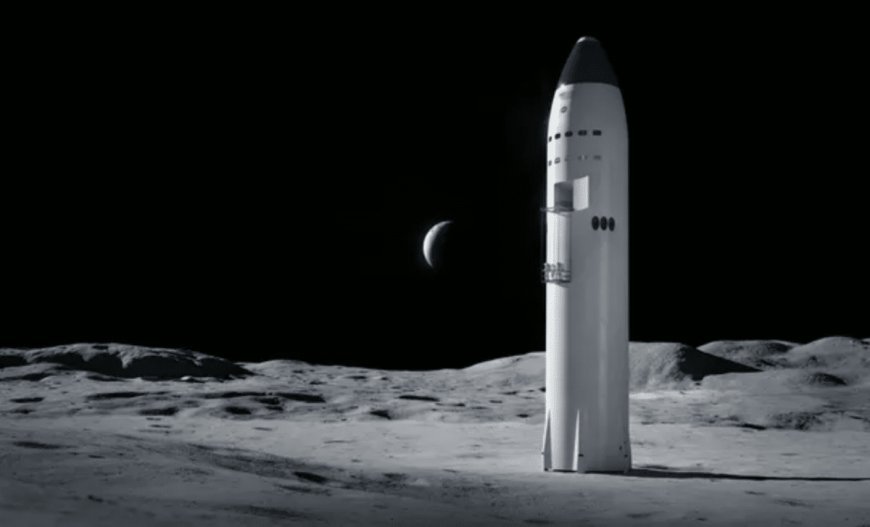
NASA has decided to revise its Artemis program, significantly altering its mission architecture and delaying the anticipated Artemis 3 astronaut landing on the Moon. The decision follows concerns over the readiness of key spacecraft components, such as the Human Landing System (HLS), as detailed in a report by NASA’s Aerospace Safety Advisory Panel (ASAP). Space.com reported this groundbreaking update, noting that NASA aims to reduce mission complexity and avoid rushing the process. As a result, the first crewed lunar landing is now expected with Artemis 4 in 2028, rather than in the originally planned Artemis 3 mission.
NASA’s Shift in Strategy: A Move Toward Simplicity and Safety
NASA’s decision to cancel Artemis 3’s astronaut landing marks a significant turning point for the Artemis program, which was initially designed to return humans to the Moon by the mid-2020s. One of the main reasons for this shift is the need to reduce the complexity of the mission architecture, according to NASA officials.
“We want to reduce complexity to the greatest extent possible,” said Isaacman during a briefing. “We want to accelerate manufacturing, pull in the hardware and increase launch rate, which obviously has a direct safety consideration to it as well.”
This change in approach will help ensure that NASA can meet its goal of returning astronauts to the Moon safely, without compromising mission objectives.
One of the most important aspects of this decision is how it addresses the concerns raised by the ASAP report, which flagged issues related to the readiness of the Human Landing System (HLS) vehicles. These vehicles, which NASA had contracted from private companies like SpaceX and Blue Origin, are not yet ready to safely transport astronauts to the lunar surface. The delays in meeting critical milestones for these spacecraft, particularly SpaceX’s Starship, led to the decision to reevaluate the timeline and mission structure. The upcoming Artemis 3 mission will now focus on testing key technologies in low Earth orbit, setting the stage for a future crewed lunar landing with Artemis 4.
What Does This Mean for Artemis 3 and the Future of Lunar Exploration?
The cancellation of Artemis 3’s planned Moon landing has serious implications for the overall timeline of NASA’s lunar exploration ambitions. As originally envisioned, Artemis 3 was meant to be the first mission in the program to land astronauts on the Moon since Apollo 17 in 1972. However, NASA’s new strategy aims to take a more cautious, measured approach to ensure that the technology and hardware are fully ready before they are used in a high-stakes mission. In a briefing with Space.com, Isaacman expressed his confidence that this approach is aligned with the recommendations from the ASAP report:
“I think what we’re doing is directly in line with what ASAP asked us to do,” he said. “I think it should be incredibly obvious you don’t go from one uncrewed launch of Orion and SLS, wait three years, go around the moon, wait three years and land on it.”
By emphasizing incremental testing and readiness, NASA hopes to avoid the pitfalls that could undermine a mission of this magnitude.
The new timeline, now targeting Artemis 4 for the first crewed landing in 2028, reflects NASA’s focus on thorough preparation rather than rushing through steps. This delay, while disappointing for some, could ultimately lead to a safer, more successful return to the lunar surface. NASA’s decision underscores the need to ensure that the various components of the mission, including the Space Launch System (SLS) rocket and Orion spacecraft, work seamlessly together. With these changes, NASA hopes to replicate the success of previous space programs by increasing the launch cadence and gaining more experience before landing astronauts on the Moon again.
NASA will increase the cadence of the Artemis missions to successfully return humans to the Moon and sustain a lunar presence.
Artemis III will test systems in low Earth orbit to prepare for an Artemis IV Moon landing in 2028. https://t.co/TovtCfQXzf pic.twitter.com/WFrTdacerY— NASA (@NASA) February 27, 2026
NASA Faces Delays: Technical Challenges and Solutions
Despite the setback in the Artemis 3 timeline, NASA remains committed to achieving its lunar exploration goals. The agency continues to make progress on the necessary hardware, including the Space Launch System (SLS) and Orion spacecraft, which are being tested in preparation for Artemis 2. However, there have been significant delays and challenges, particularly with the SLS rocket. During a recent briefing, Lori Glaze, NASA’s acting associate administrator for the Exploration Systems Development Mission Directorate, addressed an issue with the rocket’s helium flow system:
“The suspected system component for the helium flow will be removed, and they’re going to undergo detailed sections and assess the cause of the issue,” she said. “We hope to get down to the root cause of that and make changes, not just to the hardware, but to our operational procedures, so that we don’t encounter the same issue again when we roll back out to the pad.”
This technical difficulty, along with other challenges faced in the development of the HLS vehicles, underscores the complex nature of space exploration. While the delay is frustrating, it also provides an opportunity to make adjustments and learn from past mistakes to ensure that future missions are not hindered by avoidable issues.
Enjoyed this article? Subscribe to our free newsletter for engaging stories, exclusive content, and the latest news.
What's Your Reaction?
 Like
0
Like
0
 Dislike
0
Dislike
0
 Love
0
Love
0
 Funny
0
Funny
0
 Angry
0
Angry
0
 Sad
0
Sad
0
 Wow
0
Wow
0