




























We were warned microplastics were silently harming our bodies — Now researchers join forces to re-examine the evidence and challenge the narrative

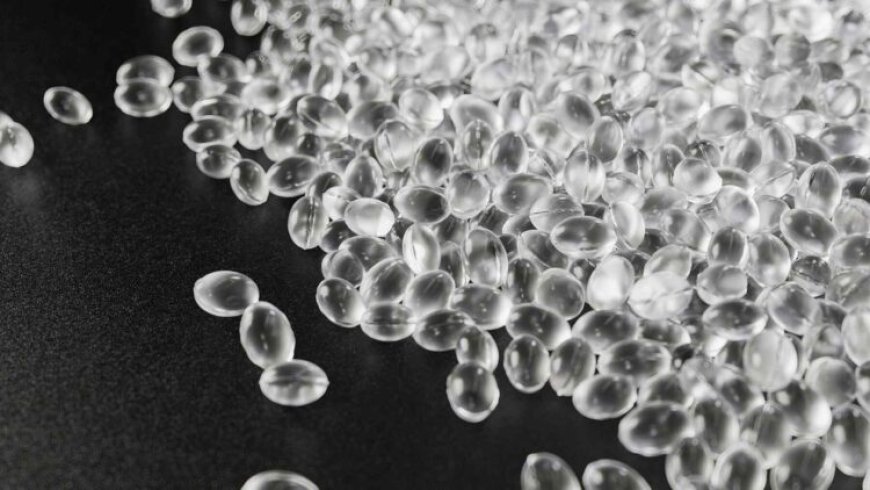
Microplastics have become a major concern for millions of us around the world.
The basis of any set of scientific knowledge is that when you are presented with evidence that your previous way of doing things is actually incorrect, you must change to move forward as a scientist. There should be no pushback when being presented with new information.
How has our information about microplastics changed over time?
How microplastics became a part of our bodies and brains
Microplastics are a danger that few people thought of when this material was first becoming so widely used.
Data shows us that on average, you consume a credit card’s worth of plastic every week. Humans, on average, especially in nations where large populations live relatively close to one another, ingest or inhale about 260 grams of material every single year.
Over a year, that adds up to the equivalent of a small jar or even a regular-sized apple.
One study found that brain samples from individuals who suffer from dementia had around 10 times more plastic than the brains of healthy people.
Humans: The ultimate science experiment that is constantly changing
Plastic has become so prevalent in modern-day society that scientists now think that the influx of tiny particles starts before we are even born.
Studies have found that microplastics have shown up in the placentas of healthy mothers, meaning that the tiny invaders are being transferred from mother to baby before the little one has even taken his or her first breath.
Science has revealed amazing processes being developed to help our health, but this recent development may force us to question the status quo.
Even something as innocent as a cup of tea has been known to contain millions of tiny fragments of microplastics. We now know that those of us who prefer drinking bottled water as opposed to tap water consume 90,000 additional particles.
Our bodies and DNA overall are filled with strange mysteries that have taken decades to scratch the surface and develop an understanding of.
But as the study, “Challenges in studying microplastics in human brain,” published in Nature, has shown us, science does not always get it 100% on the nose.
A study that challenges our previously held beliefs around microplastics
The aforementioned reality that science does not rest on its laurels and regularly challenges long-standing beliefs has led to a new study that challenges the fact that this material is accumulating in our brains.
While we are certainly not stating or suggesting that microplastics are good for us, the study has raised some questions regardless.
It finds that scientists have found several flaws in the processes and techniques used to determine that microplastics are accumulating within us. A study by Nihart et al used a complex method to find the evidence, but failed to include adequate validation steps or contamination controls.
Those are two prerequisites for a comprehensive scientific study.
Sometimes, change is a good thing that leads to better scientific understanding
While some studies focus on our body-brain connection, this one has raised serious questions over the validity of previous studies. The new study also finds that because our brains are approximately 60% fat, these fatty acids are often confused by researchers with plastics.
This is due to their mimicking of how these particles behave in our brains.
The authors of the new article argue that the limitations of our previous scientific knowledge mean that our brains may not be filled with millions of microplastics, and the amount of plastics in our brains and bodies has been significantly overestimated.
Rewriting the story of humanity needs a wide and considered approach. The scientists of both studies are working on an exchange of information to finally get to the bottom of the microplastics mystery. Does this change how you feel about your bottled water?
What's Your Reaction?
 Like
0
Like
0
 Dislike
0
Dislike
0
 Love
0
Love
0
 Funny
0
Funny
0
 Angry
0
Angry
0
 Sad
0
Sad
0
 Wow
0
Wow
0