




























This Cave is Unlike Any Other, It’s A 426-Mile Network Spanning Two Countries Waiting to Be Explored

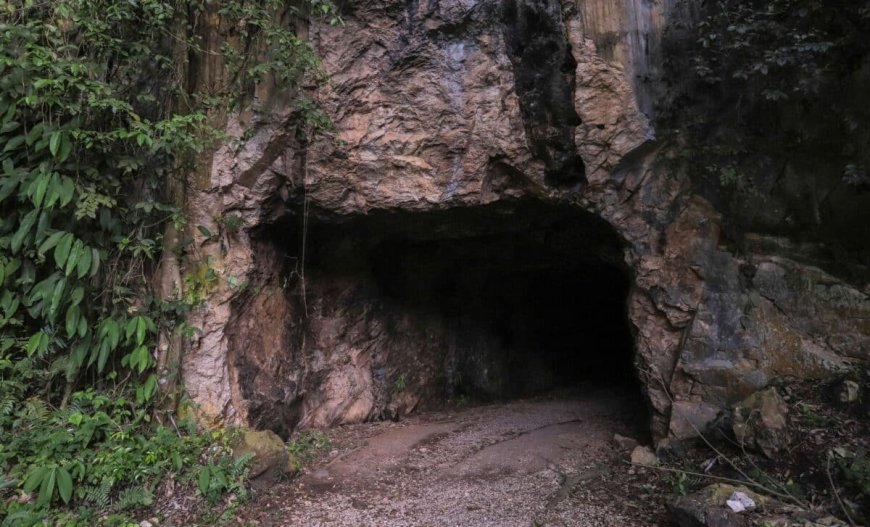
Mammoth Cave, located beneath Kentucky’s rolling hills, is the longest known cave system on Earth, extending a staggering 426 miles (686 kilometers). With a history spanning millions of years, this natural wonder continues to captivate explorers and scientists. Yet, despite its vastness, much of it remains unexplored.
Part of this subterranean world is a treasure trove of geological and biological diversity. Its extraordinary length, deep history, and unique species make it a valuable resource for research while offering an eerie beauty for visitors. As a UNESCO World Heritage site, Mammoth Cave is protected for both its natural wonders and its rich legacy.
An Expansive Underground World
The site is a true marvel of nature, with its 426-mile stretch making it the largest known underground system on Earth. According to Discover Wildlife, it is made up of five distinct levels of passages, with the deepest reaching 379 feet (118 meters). Although much of the system has been mapped, many areas remain unexplored.
The cave covers 106 square miles, and while it is vast, cavers believe its full extent has yet to be revealed. For comparison, the length exceeds the coastline of Washington state.
“The long passages with huge chambers, vertical shafts, stalagmites and stalactites, splendid forms of beautiful gypsum flowers, delicate gypsum needles, rare mirabilite flowers and other natural features of the cave system are all superlative examples of their type. No other known cave system in the world offers a greater variety of sulfate minerals,” wrote the UNESCO World Heritage Centre.

The Untouched Haven of Rare Species
It’s also home to a host of rare species that thrive in its dark, isolated environment. As mentioned by the UNESCO page dedicated to Mammoth Cave National Park, the subterranean world’s ecosystem is unique, supporting over 130 species of animals, many of which are found nowhere else on Earth.
Among these are the Allegheny woodrat, the Rafinesque big-eared bat, and a species of rare cave beetle. The cave’s waters also house the southern and northern cave fish, which live their entire life cycles in the underground streams.

An Exploration That Never Ends
Mammoth Cave’s history stretches back thousands of years, with Indigenous peoples believed to have entered its depths around 5,000 years ago. Discover Wildlife explained that the first modern exploration began in the 19th century when an enslaved man named Stephen Bishop became one of the first to map the cave in the 1840s.
However, it wasn’t until 1972 that a significant discovery was made when explorers realized that Mammoth Cave and the nearby Flint Ridge cave system were connected. This finding extended its length to 144 miles (232 kilometers). Today, parts of the underground network are open for guided tours, allowing visitors to experience its vast underground chambers. However, much of the cave remains off-limits to preserve its fragile ecosystem. Ongoing exploration and research continue to uncover new aspects of the site.
Enjoyed this article? Subscribe to our free newsletter for engaging stories, exclusive content, and the latest news.
What's Your Reaction?
 Like
0
Like
0
 Dislike
0
Dislike
0
 Love
0
Love
0
 Funny
0
Funny
0
 Angry
0
Angry
0
 Sad
0
Sad
0
 Wow
0
Wow
0