For most drivers, getting behind the wheel feels routine. Coffee in the cup holder, music on, eyes on the road. It’s something millions of people do every day without thinking twice.
But lately, that routine has started to feel different. Driving rules are quietly getting tougher, and the consequences are far more serious than many expect.
When small mistakes stop being “small”
Driving laws change constantly. Most of the time, the changes are easy to ignore. A fine goes up a little. A rule is rewritten. Life goes on.
This time, it feels different. Across the country, small mistakes are no longer treated as harmless. Actions that once led to warnings are now followed by real penalties. Drivers are discovering that the buffer zone they relied on is shrinking.
What used to feel flexible now feels strict and unforgiving.
A new kind of pressure behind the wheel
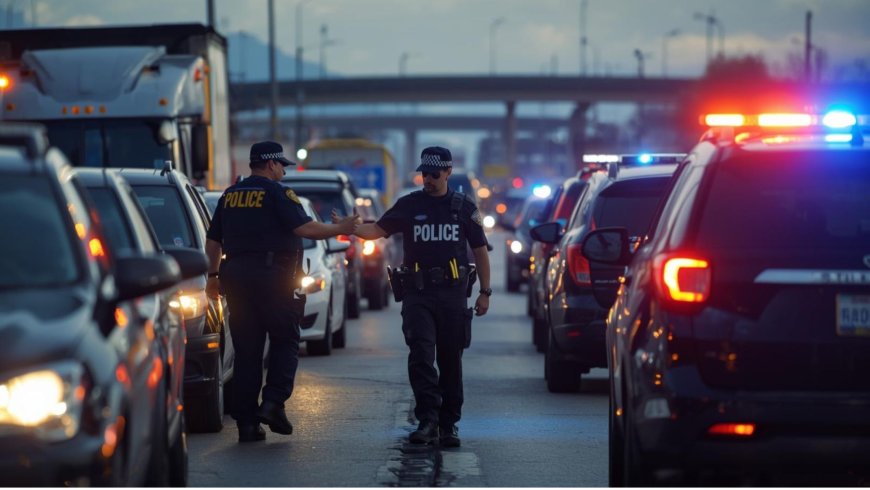
Many drivers say the road feels different now. Not more crowded, but more watched. More tense. People hesitate longer at intersections. Speedometers get checked more often.
That’s because driving has become less anonymous. Every decision feels recorded, stored, and ready to be reviewed later. Even careful drivers feel that pressure, knowing mistakes don’t disappear anymore.
The road has turned into a place where every move matters.
Technology that never looks away
One major reason is the rise of automated enforcement. Speed cameras, work-zone monitoring, and digital tracking systems are spreading fast.
These systems don’t blink, don’t get distracted, and don’t issue warnings. Enforcement now runs nonstop, day and night. A driver may not even know they were flagged until weeks later.
Supporters call it efficiency. Critics call it surveillance. Either way, it’s changing how people behave.
Why lawmakers believe harsher laws are necessary
From the lawmakers’ point of view, the reason is simple. Too many accidents still happen. Too many people still die on the road.
They argue that lighter penalties stopped working long ago. Stronger consequences are meant to shock drivers into awareness, especially in high-risk situations involving speed or alcohol.
The goal, they say, is not punishment — it’s prevention.
This is where Texas enters the picture
Nowhere is this shift clearer than in Texas, where lawmakers decided to draw a very hard line.
With Senate Bill 2320, Texas updated Section 49.04 of the Texas Penal Code, sharply increasing penalties related to driving while intoxicated:
-
First-time DWI offenses were upgraded to a Class A misdemeanor
-
DWI with an open container was also raised to Class A
-
DWI with a blood alcohol level of 0.15 or higher became a state jail felony
According to the Texas Department of Transportation, penalties can include fines up to $10,000, long license suspensions, and for repeat offenders, prison sentences of up to 99 years.
What this means for drivers going forward
Texas is sending a message that’s impossible to ignore. Driving is no longer treated as a casual right, especially when safety is at risk.
Supporters argue the laws will save lives and discourage repeat offenders. Critics fear extreme sentences and uneven enforcement. But both sides agree on one thing: the era of leniency is ending.
For drivers, the lesson is simple. Know the rules. Respect the limits. And understand that behind the wheel, one careless moment can now change everything.
When Texas tightens the reins, it isn’t subtle — and the road ahead just became far less forgiving.




























 Like
0
Like
0
 Dislike
0
Dislike
0
 Love
0
Love
0
 Funny
0
Funny
0
 Angry
0
Angry
0
 Sad
0
Sad
0
 Wow
0
Wow
0