




























Starlink Satellite Breaks Up in Orbit, Raising Concerns About Space Debris and Artemis II Mission

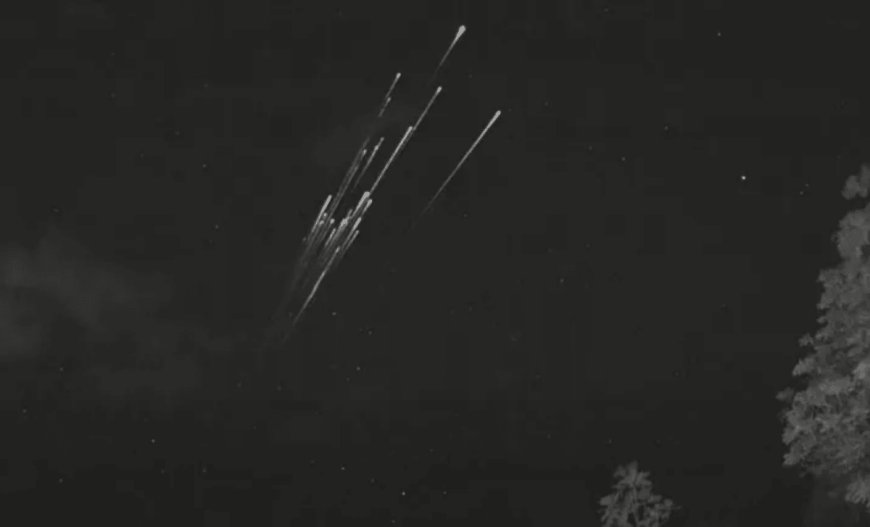
A Starlink satellite unexpectedly broke apart on March 29, 2026, sparking concerns about the impact on future space missions, including NASA’s upcoming Artemis II mission to the moon. The incident, tracked by LeoLabs, has raised alarms within the space community about the growing risks associated with satellite debris.
The Unexpected Breakup of Starlink Satellite 34343
On March 29, 2026, a Starlink satellite (number 34343) unexpectedly disintegrated in low Earth orbit, approximately 350 miles above the Earth’s surface. Launched just months earlier in May 2025, the satellite had been operational for less than a year. The event, referred to as a “rapid unscheduled disassembly” by SpaceX, has sent shockwaves through the satellite and space communities.
According to LeoLabs, a company that monitors space debris using global radar systems, the breakup scattered numerous fragments across a wide area.
“Due to the low altitude of the event, fragments from this anomaly will likely deorbit within a few weeks,” LeoLabs stated.
While the event is not expected to immediately threaten human space missions, the presence of this debris could pose long-term risks for spacecraft traveling through the area.
LeoLabs detected a fragment creation event involving SpaceX Starlink 34343 on 29 March 2026.
Learn more.  pic.twitter.com/54FoV3s953— LeoLabs (@LeoLabs_Space) March 30, 2026
Immediate Risks to Artemis II and the International Space Station
The timing of the incident is particularly concerning as it comes just days before the launch of NASA’s Artemis II mission, scheduled for April 1, 2026. This mission, which will carry astronauts around the moon, marks the first crewed lunar journey in more than fifty years. Despite assurances from SpaceX that the debris poses “no new risk” to the International Space Station (ISS) or Artemis II, experts like astrophysicist Jonathan McDowell urge caution.
“The increase in risk to other spacecraft is fairly small as far as we can tell,” McDowell told EarthSky. “It will be a short-lived increase in the debris risk for a few months, perhaps say a 10% increase, not a factor of two increase.” However, McDowell remains concerned about the broader implications of design flaws within Starlink satellites. “If these Starlinks have been breaking up due to an inherent design flaw,” he warned, “then the risks go up, a lot.”
While the threat to Artemis II is deemed low, the potential for space debris to damage critical infrastructure remains a growing concern. The ongoing investigation into the cause of the satellite’s breakup by SpaceX is crucial in addressing these safety concerns.
What Caused the Breakup?
As SpaceX investigates the cause of the breakup, early indications suggest that the issue may have been internal to the satellite, rather than a result of collision with another object in space. The debris field created by the event is expected to stay in orbit for a while, although smaller pieces will likely fall back to Earth in the coming weeks. Larger fragments, however, may remain in orbit for years, posing a lingering risk to other satellites.
LeoLabs has compared the March 29 event to a similar incident that took place in December 2025 when another Starlink satellite (number 35956) also suffered a disintegration. While these events may be isolated, they raise concerns about the structural integrity of the latest generation of Starlink satellites, particularly the V2 Mini Optimized models, which make up the majority of the Starlink constellation currently in orbit.
In response to the incident, SpaceX stated,
“The SpaceX and Starlink teams are actively working to determine the root cause and will rapidly implement any necessary corrective actions.”
The Growing Threat of Space Debris
The breakup of the Starlink satellite on March 29 is just the latest in a series of events highlighting the growing risk posed by space debris. With over 10,000 satellites currently orbiting the Earth, and thousands more planned for future deployments, the issue of space junk has become a major concern for space agencies and private companies alike.
While the satellite constellation provides valuable communication services, including global internet coverage, the increasing number of satellites also increases the risk of collisions. The long-term sustainability of space operations depends on developing better strategies for managing and mitigating the impact of space debris.
The Starlink breakup serves as a reminder that while the vastness of space may seem infinite, the orbits in which these satellites travel are not. Space agencies, private companies, and international organizations must find ways to address this growing problem to ensure the safety of future missions, including critical projects like Artemis II.
Enjoyed this article? Subscribe to our free newsletter for engaging stories, exclusive content, and the latest news.
What's Your Reaction?
 Like
0
Like
0
 Dislike
0
Dislike
0
 Love
0
Love
0
 Funny
0
Funny
0
 Angry
0
Angry
0
 Sad
0
Sad
0
 Wow
0
Wow
0