





























Spotted in Ecuador, This Unknown Spider Tricks Everyone by Pretending to Be a Fungus…For A Very Specific Purpose

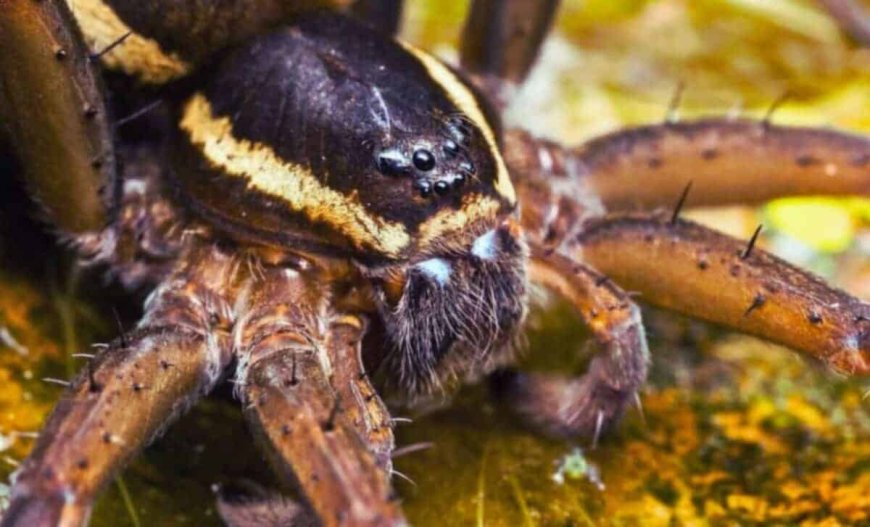
In the Ecuadorian Amazon, scientists have identified a spider that looks almost exactly like a parasitic fungus. First spotted during a nighttime expedition, it initially fooled observers. This unusual disguise reveals a clever way to survive by staying hidden and catching prey.
The scene unfolded in the Llanganates-Sangay corridor, an area known for its rich biodiversity. At first, researchers believed they were observing a small fungus growing under a leaf.
The species, named Taczanowskia waska, belongs to a genus that is still poorly understood. As explained in the study published in Zootaxa, its rarity and the difficulty of spotting it in its natural habitat explain why it had not been identified before.
A Spider That Copies A Fungus In Detail
This spider mimics fungi from the genus Gibellula, which are known to grow on spiders. The resemblance is very precise. According to researchers, it has elongated structures on its abdomen and a pale surface that closely matches fungal growth.
It also copies the behavior. The arachnid stays motionless under leaves, exactly where these fungi are usually found. As described in Zootaxa, this combination makes the illusion convincing enough to mislead other animals.
“The importance of this discovery extends well beyond the description of a novel taxon, representing the first reported case of Arachnid mimicry of an araneopathogenic fungus,” stated the authors.

Hiding From Predators While Catching Prey
This disguise serves two purposes. It helps the web-spinner avoid predators by blending into something they tend to ignore. It also allows the spider to catch prey that do not detect any danger.
The research team explained that this is a rare example of mimicry being used in two ways at once. The eight-legged creature stays hidden while also improving its chances of hunting.

How Citizen Science Uncovered This Discovery
The discovery started with a post on iNaturalist. At first, users believed they had found a fungus. Only later did experts realize it was actually a spider.
Biologist Nadine Dupérré, who took part in the study, highlighted the role of such observations. According to her:
“Finds like these demonstrate the value of scientific collections. They enable us to classify new species and compare them with historical specimens. Combined with international collaboration and citizen science, this opens up new opportunities for researching biodiversity.”
Enjoyed this article? Subscribe to our free newsletter for engaging stories, exclusive content, and the latest news.
What's Your Reaction?
 Like
0
Like
0
 Dislike
0
Dislike
0
 Love
0
Love
0
 Funny
0
Funny
0
 Angry
0
Angry
0
 Sad
0
Sad
0
 Wow
0
Wow
0