


























SpaceX Launches Historic Cygnus XL, Delivering 5 Tons of Supplies to ISS

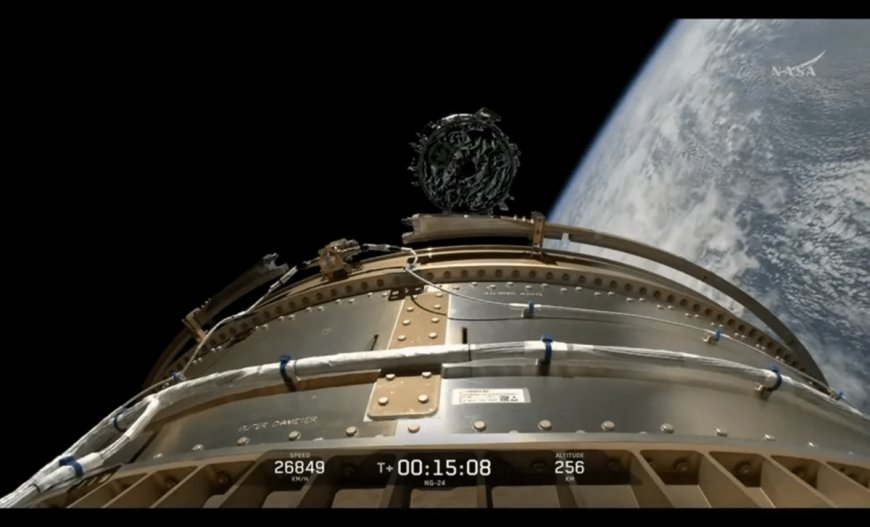
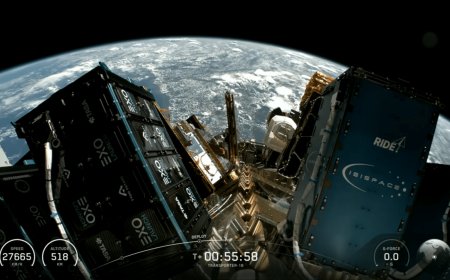
On the morning of April 11, 2026, SpaceX made another groundbreaking achievement in space exploration. A Falcon 9 rocket, launched from Cape Canaveral Space Force Station, Florida, successfully carried the Cygnus XL cargo ship into orbit, bringing over 5 tons of supplies to the International Space Station (ISS). This mission, which carries a significant payload, marks an important milestone in the future of resupply missions to the ISS, as Cygnus XL takes the baton from previous spacecraft, showcasing advances in cargo capacity and mission efficiency.
The Cygnus XL: A Tribute to Astronaut Steven Nagel
This particular Cygnus spacecraft, named the S.S. Steven R. Nagel, honors the legacy of astronaut Steven Nagel, who logged over 720 hours in space and flew on four space shuttle missions during his esteemed career. NASA spokesperson Sandra Jones noted, “And liftoff! Science and supplies soaring to the International Space Station aboard the S.S. Steven R. Nagel.” This dedication is a tribute to Nagel’s contributions to NASA and the space community, whose legacy continues to inspire generations of astronauts and space enthusiasts.
Jones further explained, “This Cygnus spacecraft is named the S.S. Steven R. Nagel in honor of the astronaut who flew four space shuttle missions and logged more than 720 hours in space.” The name serves as a reminder of the enduring impact of human spaceflight and the men and women who pave the way for future discoveries.
A Monumental Step in Space Supply Operations
The Cygnus XL mission is no small feat. With its enhanced payload capacity, this spacecraft is capable of delivering up to 11,000 pounds (about 5,000 kilograms) of vital science equipment and supplies to astronauts aboard the ISS, NASA reveals. This significantly outpaces the original version of the Cygnus freighter, which had a maximum capacity of around 8,500 pounds. The larger capacity of the Cygnus XL allows for more advanced scientific experiments, technology, and resources to be sent to the ISS, contributing to the ongoing work aboard the station and expanding the scope of what can be achieved in orbit.
Saturday’s launch marked the second flight of the Cygnus XL, following the successful maiden flight in September 2025. The Cygnus spacecraft will remain docked to the ISS for approximately six months, providing astronauts with essential supplies, including research tools, equipment, and food, ensuring they can continue their work without interruption. As the mission progresses, the Cygnus XL will also be used to remove waste and deliver key components for ongoing research.
#ICYMI: Over 11,000 pounds of new science and supplies are on its way to the International Space Station after @NorthropGrumman's Cygnus XL cargo spacecraft launched atop a @SpaceX Falcon 9 rocket from Cape Canaveral Space Force Station in Florida on Saturday, April 11, 2026. pic.twitter.com/6CdnG2DyyF— International Space Station (@Space_Station) April 11, 2026
SpaceX’s Falcon 9 Rocket: A Reliable Partner in Space Logistics
SpaceX’s Falcon 9 rocket has become the backbone of many resupply missions, and its reliability was once again proven during this launch. Just eight minutes after liftoff, the Falcon 9 first-stage booster made a smooth landing at Cape Canaveral, completing its seventh flight. This achievement highlights the ongoing success of SpaceX’s reusable rocket program, which has significantly reduced the cost of launching cargo into orbit.
The rocket booster is expected to be refurbished and reused in future missions, making space logistics more efficient and cost-effective. The Cygnus XL mission is just one example of how SpaceX is transforming the way we approach space resupply and exploration.
Looking Ahead: The Future of Space Resupply and Exploration
As the Cygnus XL mission continues its journey to the ISS, the implications for the future of space exploration are clear. The ability to deliver larger payloads more efficiently is essential for NASA’s ongoing mission to establish a long-term human presence on the Moon and eventually Mars. The advancements in spacecraft technology, coupled with SpaceX’s reusable rocket fleet, are laying the groundwork for sustainable space exploration beyond low Earth orbit.
Moreover, the success of this mission demonstrates the growing role of private companies in space logistics, with SpaceX at the forefront of the effort. Their collaboration with NASA and other space agencies will undoubtedly continue to shape the future of space travel and resupply missions for years to come.
Enjoyed this article? Subscribe to our free newsletter for engaging stories, exclusive content, and the latest news.
What's Your Reaction?
 Like
0
Like
0
 Dislike
0
Dislike
0
 Love
0
Love
0
 Funny
0
Funny
0
 Angry
0
Angry
0
 Sad
0
Sad
0
 Wow
0
Wow
0