





























Solar panels placed in the desert unexpectedly created the perfect conditions for a rare plant to multiply

The impact of energy production on the environment has mostly been a negative one.
However, a recent study has found that not all of our energy projects damage the planet. In fact, some enable plant life to grow in what could only be described as “perfect conditions”, enabling a specific rare plant to multiply at an astonishing rate.
How can solar panels in the desert create these near-perfect conditions?
How generating enough energy has impacted the very world we inhabit
The climate disruption that has emerged over the past few decades can be directly attributed to our collective energy needs.
Fossil fuel-based energy generation is the primary contributor to climate change in modern-day society. We have learnt that it accounts for approximately 68% of global greenhouse gas emissions and roughly 90% of all CO2 emissions.
The conventional energy generation methods that we have relied on for generations have devastated wildlife and the very planet we live on.
Recent studies have found that traditional energy production releases toxic by-products into the atmosphere, such as mercury. This essentially poisons the wonderful world of wildlife that is essential to our ecosystem.
The green energy transition has been gaining speed like a runaway train
The overwhelming consensus among the international community is that the green energy transition needs to be accelerated to avert a global climate catastrophe.
We know that the ocean holds most of the excess heat that the planet produces, meaning that marine wildlife faces the risk of being boiled alive as the seas warm to unprecedented temperatures.
However, as the renewable energy subsector gains momentum, we are allowing the planet time to heal from decades of abuse from us as a society.
New revelations in energy technology have seen scientists creating innovative devices that are thinner than a strand of human hair. These flexible films can be applied to several energy-generating technologies or processes to increase efficiency and improve overall output capacity.
Solar power has become the dominant force in the renewable energy subsector as more of us turn to it to power our homes and reduce our carbon footprint.
We know that solar panel farms create exceedingly hot temperatures in their immediate surroundings. However, a recent study has found that these hotter-than-normal conditions are perfect for a rare plant to thrive and multiply.
The Mohave-based Gemini Solar Project has had an unexpected effect on plant life
Millions of people have turned to the solar panel industry to facilitate a reduction in their monthly electric bills; however, recent findings by a study led by Tiffany Pereira of the Desert Research Institute have found an unexpected and positive effect that the Gemini Solar Project has had on a specific plant.
The solar power sector has been developing a shift away from the traditional “blade-and-grade” method of constructing solar panel arrays.
The older method damages the soil underneath the solar arrays, potentially allowing invasive species of plant life to proliferate. The answer? Constructing what has been dubbed “ecovoltaic” solar panels.
One plant has found near-perfect conditions to grow underneath the Gemini Solar Project array
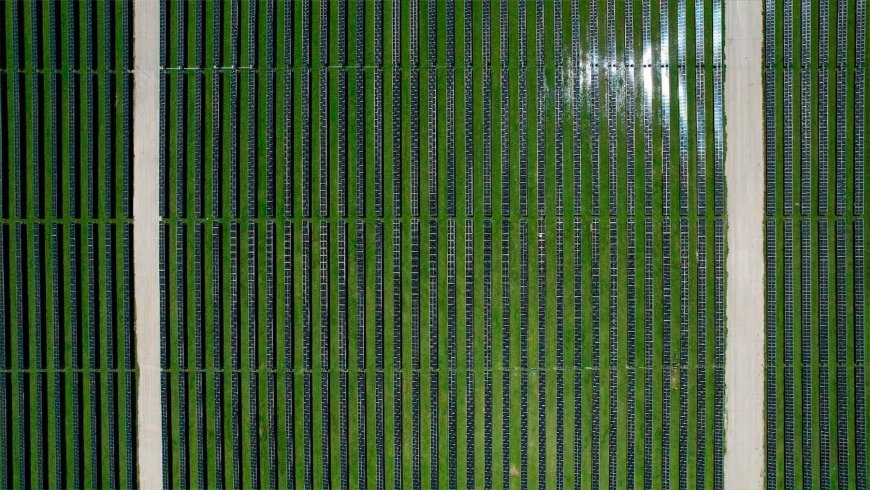
Evidence found by the Desert Research Institute has noted that the huge solar array in the Mojave Desert helped to preserve the three-corner milkvetch plant.
The plant has grown by significant numbers in recent years. And what’s more amazing is that it has grown far taller and wider than normal specimens. Even producing more fruit than it normally would.
The solar panels also provide shade that slows down soil moisture evaporation.
So while some search for the next “new gold rush” in their backyards that will provide free energy, this study has found the “bright side” of solar power generation and how it can positively affect life, albeit plant life.
What's Your Reaction?
 Like
0
Like
0
 Dislike
0
Dislike
0
 Love
0
Love
0
 Funny
0
Funny
0
 Angry
0
Angry
0
 Sad
0
Sad
0
 Wow
0
Wow
0