



























Scientists Just Discovered a Submerged Land That Vanished Thousands of Years Ago, Now It’s Revealing How Homo Erectus Lived and Moved

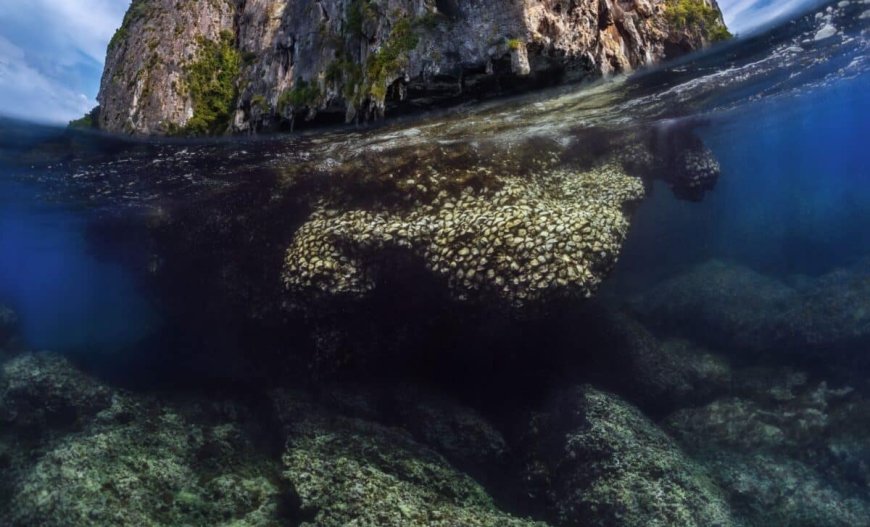
A site dredged from the seabed in Indonesia is bringing Homo erectus back into focus, revealing how these early humans lived in a landscape that no longer exists. Once part of a vast landmass, the region is now underwater.
The remains come from what used to be Sundaland, a huge stretch of land that connected many of today’s Southeast Asian islands when sea levels were lower. Over time, rising waters submerged these areas, hiding entire ecosystems.
This matters because it links physical evolution with geography. According to Harold Berghuis and his team, the site dates back to the late Middle Pleistocene, a period known for both diversity and mobility among hominin groups.
Built to Move, Built to Hunt
Homo erectus looked much more like us than earlier hominins. They had longer legs and shorter arms, which made walking and running more efficient. That alone would have changed how they moved through their environment.
Homo erectus were also more muscular. This likely helped them hunt more actively instead of just scavenging. The combination of endurance and strength suggests they could cover long distances,tracking food and exploring new areas. Brain size was increasing as well, with fossils indicating that Homo erectus had cranial capacities more than 50 percent larger than those of Australopithecus.
“Under the relatively dry Middle Pleistocene climate of eastern Java, herds of herbivores and groups of hominins on the lowland plains were probably dependent on large perennial rivers, providing drinking water and terrestrial as well as aquatic food sources.” He added that: “Among our new finds are cut marks on the bones of water turtles and large numbers of broken bovid bones, which point to hunting and consumption of bone marrow.”

A Time of Constant Movement
As explained by a study published in Quaternary Environments and Humans, the late Middle Pleistocene wasn’t calm or stable. It was a period where different hominin groups coexisted and moved across large regions. In the words of Berghuis and his collaborators:
“The late Middle Pleistocene age of the site is of great interest in terms of hominin evolution, as this period is characterized by a great morphological diversity and mobility of hominin populations in the region.”
That diversity hints at different ways of living and adapting. Some groups may have stayed local, others moved more widely depending on resources and conditions. Either way, movement seems to have been a key part of survival. For Homo erectus, this ability to adapt and travel likely explains why they were able to spread so far and last so long as a species.

Sundaland Before It Disappeared
It may be hard to picture now, but Indonesia once looked very different. Sundaland connected islands that are now separated by sea, creating land bridges that humans and animals could cross freely.
Over time, higher sea levels swallowed these connections, turning once-open land into submerged terrain. Sediments lifted from the seabed are now revealing traces of that vanished setting. These findings move beyond the study of isolated remains, placing Homo erectus back into the environment it once inhabited.
Enjoyed this article? Subscribe to our free newsletter for engaging stories, exclusive content, and the latest news.
What's Your Reaction?
 Like
0
Like
0
 Dislike
0
Dislike
0
 Love
0
Love
0
 Funny
0
Funny
0
 Angry
0
Angry
0
 Sad
0
Sad
0
 Wow
0
Wow
0