



























Scientists Discovered 46 Arctic Species in a Norwegian Cave Preserved for 75,000 Years

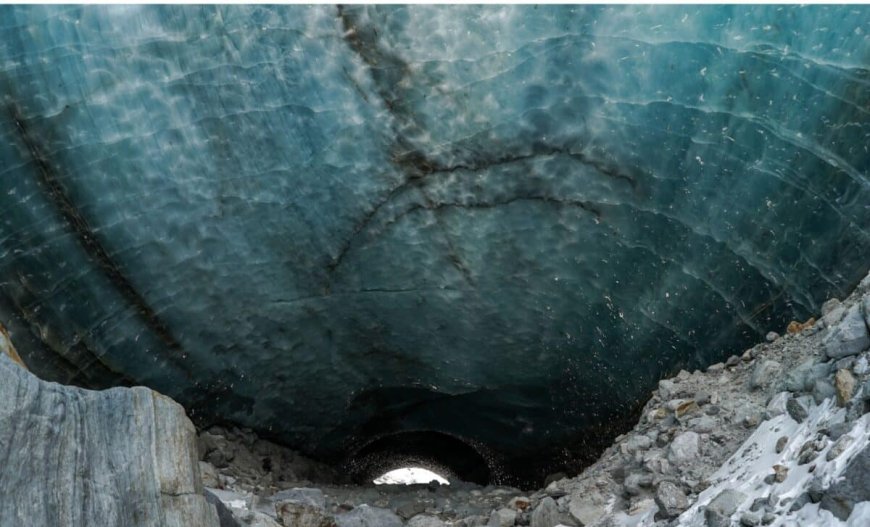
A cave in northern Norway has revealed a 75,000-year-old Arctic ecosystem, with remains from dozens of species that once lived along an ice-free coast. The findings, published in Proceedings of the National Academy of Sciences, describe a surprisingly rich mix of mammals, birds, and fish.
According to the research team, this is the earliest known evidence of such a diverse Arctic community in Europe during that period. They explained that the site shows how even cold-adapted species failed to withstand environmental changes, mirroring current fears about rapid shifts in the Arctic climate.
A Cave Packed With Animal Life
Inside the Arne Qvamgrotta Cave, along Norway’s northern coast, scientists found remains from 46 species of mammals, birds, and fish. According to the study published in PNAS, this mix of species reflects both marine and land ecosystems in one place.
The list includes animals such as polar bears, walruses, and bowhead whales, along with seabirds like the atlantic puffin and common eider. Fish such as atlantic cod were also identified, as well as land animals like reindeer and rock ptarmigan.

One detail stood out. Researchers found collared lemmings, a species now extinct in Europe and never before recorded in Scandinavia.
Evidence of a Warmer Arctic Past
The animals found in the cave suggest the region looked very different at the time. According to Professor Sanne Boessenkool from the University of Oslo, the area was likely largely ice-free along the coast.
“We have very little evidence of what Arctic life was like in this period because of the lack of preserved remains over 10,000 years old,” shed said. “The cave has now revealed a diverse mix of animals in a coastal ecosystem representing both the marine and the terrestrial environment,”
Freshwater fish pointed to the presence of rivers and lakes, while marine mammals indicate there was still sea ice nearby. That ice was probably seasonal. Species like harbour porpoises, also found among the remains, tend to avoid dense ice, which helps narrow down the conditions.
“These discoveries provide a rare snapshot of a vanished Arctic world,” stated Dr Sam Walker, who led the study at Bournemouth University and the University of Oslo. “They also underscore how vulnerable cold-adapted species can be under changing climate conditions, which can help us to understand their resilience and extinction risk in the present.”

An Ecosystem Outpaced by Climate Shifts
The story does not end well for most of these animals found in the cave. Genetic analysis showed that many of their lineages disappeared once colder conditions returned and glaciers expanded.
As explained by the researchers, these species had moved into the region after earlier ice had retreated. When the climate shifted again, they were not able to move elsewhere or adapt quickly enough, and entire populations were lost.
Dr Walker explained that this shows how even cold-adapted species can struggle when changes happen too fast. Researchers also noted that Arctic habitats today are more fragmented than they were back then, which makes movement even harder.
“ This has a direct link to the challenges they are facing in the Arctic today as the climate warms at a rapid pace,” he added. “The habitats these animals in the region live in today are much more fractured than 75,000 years ago, so it is even harder for animal populations to move and adapt.”
Professor Boessenkool pointed out that this ancient shift was toward colder conditions, not warming. Still, the implication is clear.
“ If they struggled to cope with colder periods in the past, it will be even harder for these species to adapt to a warming climate.”

Enjoyed this article? Subscribe to our free newsletter for engaging stories, exclusive content, and the latest news.
What's Your Reaction?
 Like
0
Like
0
 Dislike
0
Dislike
0
 Love
0
Love
0
 Funny
0
Funny
0
 Angry
0
Angry
0
 Sad
0
Sad
0
 Wow
0
Wow
0