




























Scientists Discover The Best-preserved Fossils Ever Found Hidden In Red Rocks Deep In Australia

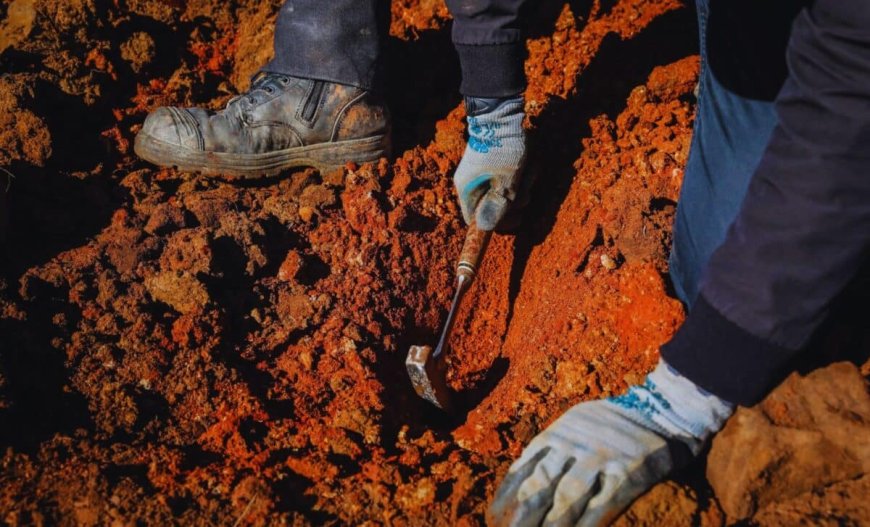
Scientists in Australia have discovered a fossil site that’s shaking up everything we thought we knew about fossil preservation. McGraths Flat, a spot in New South Wales, holds some of the best-preserved fossils ever found, buried in bright red rocks.
Researchers from the Australian Museum Research Institute have uncovered fossils dating back 11 to 16 million years, revealing soft tissues from ancient creatures like fish, insects, and spiders. Thanks to the unique composition of the rocks at McGraths Flat, the fossils are preserved in ways previously thought impossible for iron-rich sedimentary rocks.
A Home to Surprising Fossils
As outlined by The Conversation, when we think of exceptional fossil sites, places like Germany’s Messel Pit or Canada’s Burgess Shale come to mind. These sites, known for preserving soft tissues, are usually found in fine-grained rocks like shale or sandstone, which quickly bury organisms and preserve their details. But McGraths Flat turns that idea on its head. Instead of typical shale, the fossils here are found in red, iron-rich rocks made almost entirely of goethite.
“Locating new fossil sites with exceptional soft-tissue preservation is vital for addressing taphonomic bias and accurately reconstructing the fossil record. McGraths Flat, a Miocene rainforest lake Konservat-Lagerstätte, uniquely preserves nanometre-scale soft-tissue structures in laminated Fe-oxyhydroxide (goethite) or ‘ferricrete’,” expalined the research team.

How Iron Helped Fossils Stick Around
Iron-rich rocks are usually linked to ancient ocean environments, formed in places where there wasn’t much oxygen and life as we know it hadn’t evolved yet. The idea that iron could preserve delicate terrestrial life was pretty far-fetched, until McGraths Flat. As detailed in new research from the Australian Museum, the fossils here were preserved because of the fine iron particles in the sediment.
During the Miocene period, iron from weathered basalt rocks was carried underground by acidic groundwater. This iron then settled in an ancient river system, covering dead organisms in fine, iron-rich sediments. What followed was remarkable: tiny particles filled the cells of the organisms, preserving them in amazing detail, including the soft tissues that typically don’t survive fossilization.

Fossil Hunting: What’s in Store for the Future?
Scientists now know that iron-rich environments might be more important for preserving soft tissues than we once thought. Moving forward, paleontologists might start looking for iron-rich landscapes with ancient river channels or volcanoes that have been weathered by humid, warm conditions.
“The iron-rich rocks of McGraths Flat opens an entirely new chapter in our understanding of how exceptionally-well preserved fossils can form. Once dismissed as only rusted weathering rock beds might actually be treasure troves of ancient life,” stated the press release published by the Australian Museum.
Enjoyed this article? Subscribe to our free newsletter for engaging stories, exclusive content, and the latest news.
What's Your Reaction?
 Like
0
Like
0
 Dislike
0
Dislike
0
 Love
0
Love
0
 Funny
0
Funny
0
 Angry
0
Angry
0
 Sad
0
Sad
0
 Wow
0
Wow
0