




























Scientists Develop a Home Device That Removes Invisible Micro and Nanoplastics in Your Tap Water

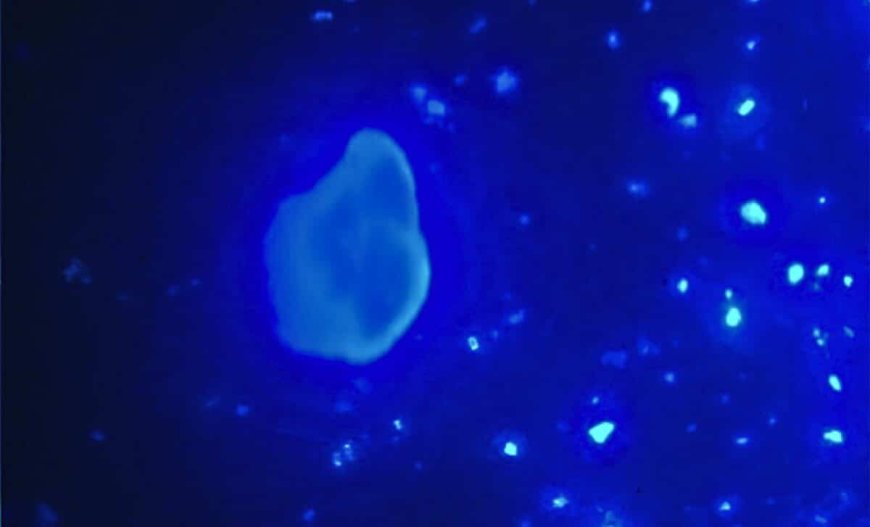
Most water filters were never designed to stop nanoplastic particles. A team in Mar del Plata is trying to change that with a two-stage device that makes tiny plastics “stickier” before trapping them.
An Argentine research group has begun developing a household device specifically designed to remove microplastics and nanoplastics from tap water. The project, led by CONICET researcher Carla di Luca at the Institute of Research in Materials Science and Technology (INTEMA), recently won the 2025 Franco-Argentine Distinction for Innovation.
The device uses a two-step process. First, high-energy UVC light chemically modifies the surface of plastic particles to make them more adhesive. Second, porous materials made from local industrial waste capture the activated particles through adsorption. A detailed feature on the development notes that this combination of activation plus capture is what distinguishes the device from standard filters.
Why Standard Filters Miss the Smallest Particles
Most household purifiers were designed for sediment, chlorine, and bacteria, not plastics. Activated carbon filters can trap some microplastics, but only when the particle is larger than the filter’s pores. Nanoplastics, measuring less than one micrometer, pass straight through.
“Their main advantage is that they are relatively economical and easy to install,” di Luca said of current carbon filters. “However, their effectiveness depends on the GAC porosimetry and they are not designed to retain the smallest particles.”

The concern is not hypothetical. Studies have detected microplastics in tap water across six continents, and a 2024 study found hundreds of thousands of nanoplastic particles per liter of bottled water. These particles come from degrading plastic waste, synthetic clothing fibers, and pipe linings. Researchers have found nanoplastics in human blood and placental tissue, though health effects remain under study.
The Gap Between Costly Tech and Home Reality
More advanced technologies like ultrafiltration and reverse osmosis remove high percentages of nanoplastics but at a cost. These systems are expensive, consume significant energy and water, and in the case of reverse osmosis, strip essential minerals from drinking water. Complete oxidation processes can degrade plastics in the lab, but their energy demands make them impractical for home use.

“Compared to existing technologies, the device we are developing offers greater efficiency in nanoplastic removal, lower energy consumption than total oxidation, and reduced costs by using valorized waste,” di Luca said. That last term refers to building the filter’s capture materials from local industrial byproducts rather than virgin chemicals.
From Lab Bench to Kitchen Counter
The project remains in the validation phase at laboratory scale. The INTEMA team is currently testing removal efficiencies under different flow rates, water temperatures, and particle concentrations.
“Our next steps include the design and construction of a prototype, which will allow us to evaluate the performance of the hybrid system under conditions closer to a real application,” di Luca explained.
Building a working prototype presents real engineering challenges. The device must handle variable water pressure, fit under a sink or on a counter, and remain affordable. If testing continues to show promise, the group plans to explore technology transfer opportunities with water treatment companies. The device is intended as a complement to existing household purifiers, not a replacement.
For now, nanoplastics in drinking water remain largely unregulated. No country has set a legal limit for them, and the World Health Organization has called for more research without issuing health-based guidelines. The CONICET team has not solved that larger problem. But they have built a promising laboratory system and won an international award for it. Whether that system becomes a product under someone’s kitchen sink depends on the next phase of prototyping.
Enjoyed this article? Subscribe to our free newsletter for engaging stories, exclusive content, and the latest news.
What's Your Reaction?
 Like
0
Like
0
 Dislike
0
Dislike
0
 Love
0
Love
0
 Funny
0
Funny
0
 Angry
0
Angry
0
 Sad
0
Sad
0
 Wow
0
Wow
0