


























Researchers Found Something Looked Like Simple Mounds in the Jungle Are Now Believed to Be Ancient Maya Marketplaces

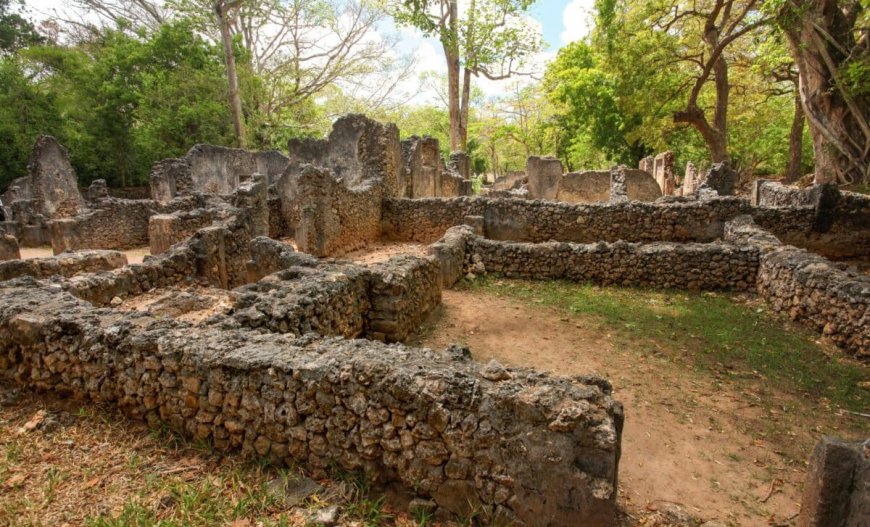
Dozens of structures hidden in the Maya Lowlands are now being identified as ancient marketplaces. The findings show that these spaces were not just for buying and selling. The research, led by Ivan Šprajc and published in Ancient Mesoamerica, looks at nearly 50 sites from the Classic period. All of them share a similar layout, which points to organized and repeated use rather than informal gatherings. One key takeaway is that these marketplaces were part of a bigger system, shaped by both the land and local ways of life.
Similar Layouts Point To Structured Market Spaces
Across the central and western Maya Lowlands, Ivan Šprajc identified what he calls “nested constructions,” groups of low, narrow mounds arranged in circles or rectangles. According to the new study, this pattern shows up again and again, which makes the marketplace interpretation hard to ignore.
“Since the available evidence strongly suggests that they represent a regional variant of ancient Maya built markets, this study also explores their distribution in relation to major trade routes, environmental constraints, and regional economic specializations,” the authors wrote.

These mounds likely held stalls made of perishable materials. The spaces between them acted as walkways, allowing people to move through what would have been busy trading areas. As Šprajc explained, the design matches descriptions of marketplaces seen in central Mexico during the Spanish Conquest. Some sites also include nearby courtyards and larger buildings. As he explained:
“The idea that complexes with this distinctive configuration represent the remains of built markets appears to be the most viable interpretation in light of the available data.”
Some places also have nearby courtyards and bigger buildings, likely used for storage or administration.
Spaces Where Trade And Ritual Came Together
These sites were not purely economic. Archaeologists have identified stone altars, shrines, and even ball courts within several of the complexes. This combination points to spaces where multiple aspects of Maya life came together.

As reported in the research, certain sites also feature ceremonial buildings. Paintings depicting marketplace scenes further support this interpretation, suggesting that these locations were active and socially significant. People likely gathered there not only to exchange goods but also to participate in shared rituals and events.
Geography Shaped Market Locations
Ivan Šprajc pointed out that, many of them appear in areas that weren’t great for farming, suggesting people there relied more on imported goods and redistribution.

Another cluster sits near the La Rigueña River, a steady water source known for its rich fish supply. Some evidence points to markets here being focused on fish trade, showing how natural resources likely shaped what was bought and sold. Šprajc noted also that not every marketplace would leave obvious traces behind.
“Given the known regional variability in diverse cultural expressions, it seems obvious that the same activities could have taken place in compounds with different architectural configurations or even in spaces without permanent structure,” he said.
It’s possible that some trading spaces disappeared without leaving any real clues. He added that this variability has likely “thus leaving few archaeologically detectable traces,” suggesting that the currently identified sites may represent only part of a diverse network.
Enjoyed this article? Subscribe to our free newsletter for engaging stories, exclusive content, and the latest news.
What's Your Reaction?
 Like
0
Like
0
 Dislike
0
Dislike
0
 Love
0
Love
0
 Funny
0
Funny
0
 Angry
0
Angry
0
 Sad
0
Sad
0
 Wow
0
Wow
0