




























Pentagon-Backed Flight Reveals First Flight-Proven Hypersonic Missile with Storable Liquid Engine

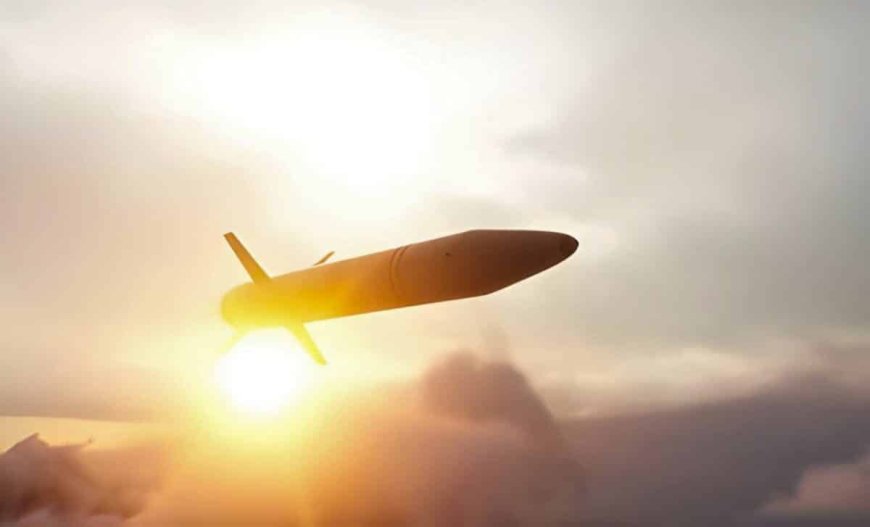
On a late January morning at a test range in the United States, a missile lifted off that its builders said broke from decades of hypersonic convention. The vehicle, part of an Air Force program called the Affordable Rapid Missile Demonstrator, reached supersonic speeds within weeks of being assembled. What made it different was not just how fast it moved, but what sat inside.
Most hypersonic weapons rely on solid rocket motors or air-breathing engines that come with significant operational restrictions. Some require fueling immediately before launch. Others stop providing thrust once they reach a certain speed, leaving the vehicle to glide unpowered toward its target. The missile that flew in late January operated under a different principle altogether.
A Propulsion System That Breaks From Tradition
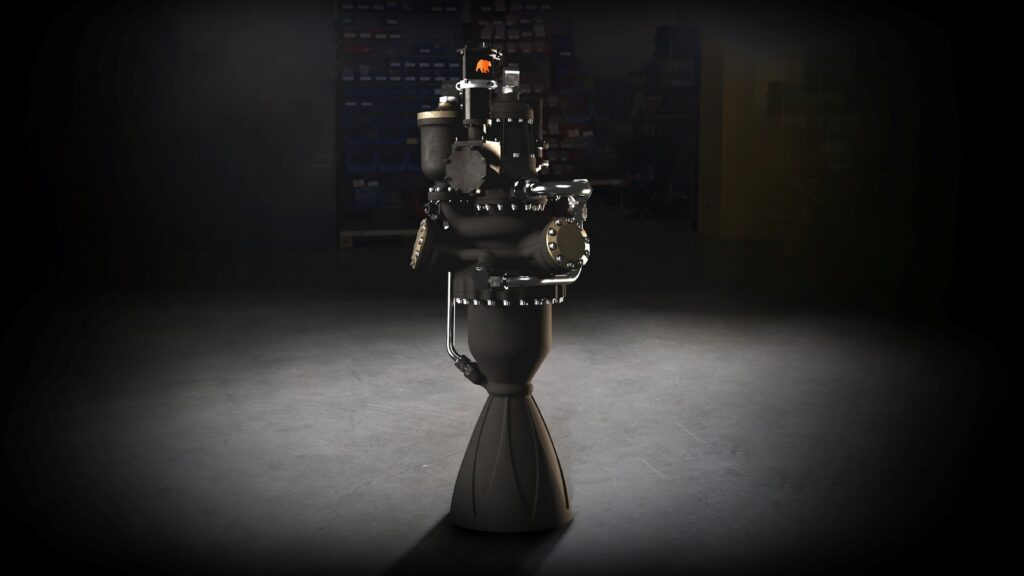
The engine powering the vehicle is called Draper, built by the Colorado-based company Ursa Major. It belongs to a category of propulsion that has rarely been used in operational hypersonic missiles: a storable liquid rocket engine. Unlike cryogenic systems that must be kept at extremely low temperatures and fueled shortly before flight, the Draper engine runs on non-toxic propellants that can remain inside the missile for extended periods.
According to a March 2026 press release from Ursa Major, the flight demonstration was conducted in partnership with the Air Force Research Laboratory. Katrina Hornstein, a program manager at Ursa Major who led the effort, said the choice of propulsion changes what the missile can do. “We uniquely have the ability to propulsively maneuver through the entire span of certain flight profiles,” Hornstein told Breaking Defense. That capability, she explained, sets the system apart from “typical boost-glide systems” which are “unpowered in their glide phase.”
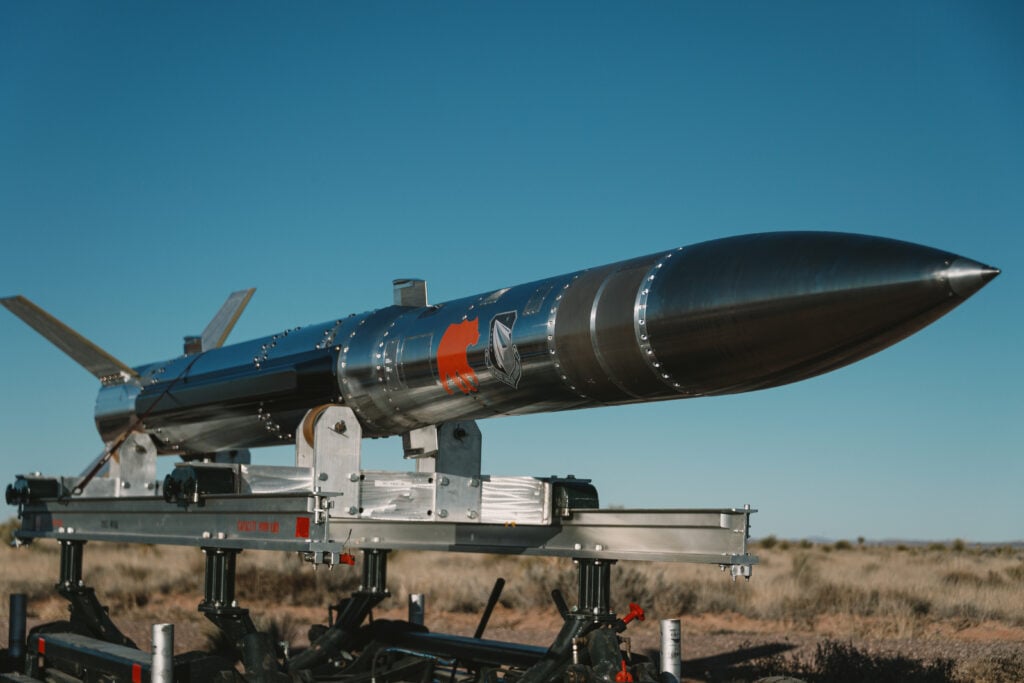
The January flight was the first time a hypersonic missile powered by a storable liquid engine had been demonstrated. The Air Force Research Laboratory, which partnered on the program, described the event as a key step in increasing the technology’s readiness for potential fielding.
Building a Missile in Eight Months
Ursa Major received its contract for the ARMD program and delivered a flight-ready vehicle eight months later. “We went from contract to flight-ready of an all up round and propulsion system in just eight months,” Chris Spagnoletti, chief executive of Ursa Major, said in a March 2026 statement. That timeline stands out in an industry where hypersonic development programs often stretch across years.
Company officials attributed the speed to several decisions made early in the process. The company kept engineering, manufacturing, and testing in the same facility, a setup that allowed teams to move between design and production without delays. Ursa Major also made heavy use of additive manufacturing, printing complex engine components in-house rather than waiting for outside suppliers. That approach reduced the total number of parts in the engine and allowed engineers to experiment with geometries that would be difficult to produce through conventional machining.
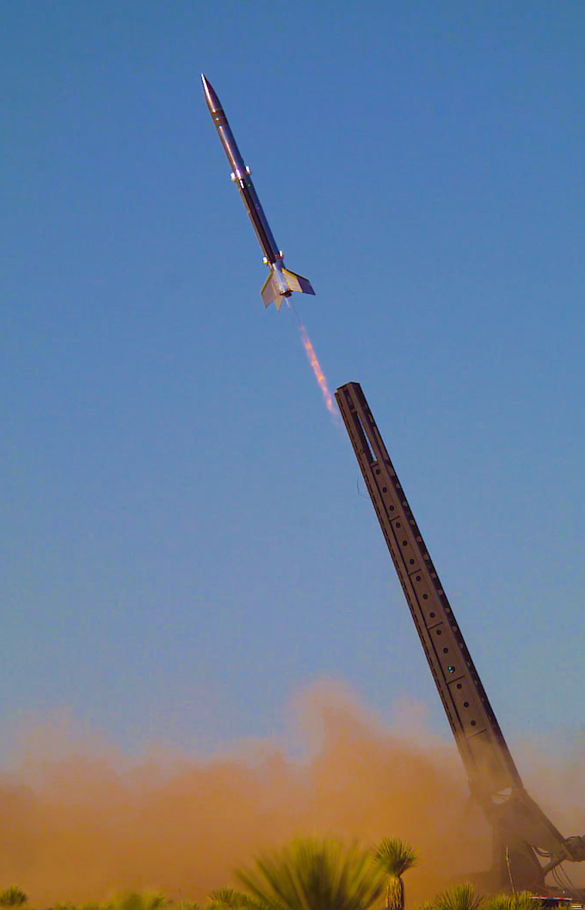
Spagnoletti said the company prioritized learning from actual hypersonic flight testing over extended ground testing. The strategy carried risk but compressed the timeline significantly.
What Storable Propellants Enable
The technical distinction between cryogenic and storable propellants has practical consequences for how weapons can be deployed. A missile that requires fueling just before launch must be handled by specialized crews with protective equipment, and the launch site must accommodate cryogenic storage tanks. A missile that carries its fuel internally, with propellants that remain stable at ambient temperatures, can be stored in standard containers and launched with minimal preparation.
The Draper engine adds another capability that sets it apart from hypersonic boost-glide systems. Because the engine can throttle up and down and restart in flight, the missile can make powered maneuvers throughout its trajectory. Boost-glide vehicles, by contrast, receive their thrust only during the initial launch phase and then coast unpowered.
Hornstein explained that the ability to propel the missile through the entire flight profile allows for different kinds of operational planning. “We’re carrying our own fuel and oxidizer, so we’re not sensitive to air speed and altitude in the way that air-breathing hypersonic solutions are,” she said. The vehicle can adjust its path in response to changing conditions, a feature that designers said improves survivability against defensive systems.
From Demonstrator to Production System
Even before the January flight, Ursa Major had begun work on a tactical version of the missile. In February 2026, the company unveiled the Ursa Major HAVOC Missile System, describing it as a medium-range hypersonic missile system designed for production at scale. The company’s announcement of the HAVOC system noted that it uses the same Draper engine that flew on the ARMD vehicle but incorporates a modular architecture meant to accommodate different boosters and launch platforms.
The company said HAVOC can be launched from fighters, bombers, vertical launch systems on ships, and ground-based launchers. The design eliminates the need for the expensive thermal protection systems that some hypersonic vehicles require, a choice that Ursa Major said helps keep production costs manageable.
Brig. Gen. Jason Bartolomei, commander of the Air Force Research Laboratory, said after the January flight that the program was intended to demonstrate a new path toward cost-effective hypersonic systems. “We are not just building a single missile; we are forging a new path toward a cost-effective, mass-producible deterrent for the nation,” Bartolomei said. The flight took place on Jan. 27, 2026.
Enjoyed this article? Subscribe to our free newsletter for engaging stories, exclusive content, and the latest news.
What's Your Reaction?
 Like
0
Like
0
 Dislike
0
Dislike
0
 Love
0
Love
0
 Funny
0
Funny
0
 Angry
0
Angry
0
 Sad
0
Sad
0
 Wow
0
Wow
0