


























Northern Lights Set to Illuminate Skies Across the U.S. Tonight: Here’s Where to See Them!

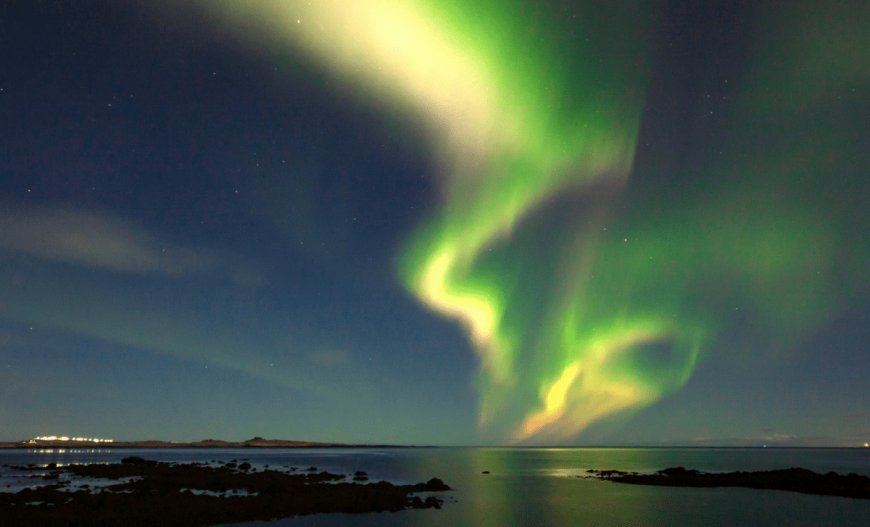
A dazzling spectacle of color is set to light up the sky tonight, April 9, 2026, as the northern lights (aurora borealis) prepare to make a rare, vivid appearance. According to NOAA (National Oceanic and Atmospheric Administration), heightened geomagnetic activity could trigger a powerful auroral display, visible even to those outside the typical high-latitude zones. This cosmic event is set to captivate millions, offering a once-in-a-lifetime opportunity to witness a dazzling natural light show.
A Glimpse of the Future: The Science Behind the Northern Lights
The northern lights are a stunning result of Earth’s interaction with solar wind, which consists of charged particles from the Sun. When these particles collide with Earth’s atmosphere, they produce the mesmerizing light patterns known as auroras. This phenomenon typically occurs near the planet’s magnetic poles, where the Earth’s magnetic field is most concentrated. However, a recent study from NOAA has shown that, due to increased solar activity, the auroras might be visible much farther south than usual.
According to NOAA’s Space Weather Prediction Center, the solar winds expected to sweep Earth from April 9 into April 10, 2026, are likely to intensify the geomagnetic conditions, causing the auroras to grow brighter and expand beyond the typical viewing areas of Alaska and northern Canada. If these conditions escalate into a stronger geomagnetic storm, there could be a chance to see the northern lights in parts of the northern United States.

Where and When to See the Northern Lights
Timing is critical when it comes to catching the northern lights, and those in areas with clear, dark skies will have the best chance to witness the celestial show. The most ideal viewing window is between the late hours of Thursday, April 9, and the early morning of April 10. The geomagnetic activity predicted for this period could elevate conditions to G1, a minor storm level, with a small possibility of reaching G2, a moderate storm level.
If the activity does indeed reach G2 levels, the aurora may be visible as far south as the northern United States, including parts of Michigan, New York, and possibly even parts of New England. In high-latitude regions like Alaska, northern Canada, Scandinavia, and Iceland, the auroras are expected to be at their most intense and vibrant. Residents of these areas should prepare for a spectacular display of light in the night sky.
The Role of Solar Activity in the 2026 Aurora Borealis
Solar activity is the key player in the northern lights phenomenon, and the Sun’s current activity levels are fueling the upcoming light show. Over the past few weeks, the Sun has shown increased activity, including multiple solar flares from active sunspot regions. These events generate the solar wind that collides with Earth’s atmosphere, creating the auroras.
The heightened solar wind expected to arrive tonight is a result of these recent solar flares, as well as the ongoing cycle of solar activity. According to NOAA’s researchers, this burst of solar wind will increase the chances of an intense aurora display, potentially visible even in regions not typically known for aurora sightings. The increased solar winds, combined with the expected geomagnetic conditions, create the perfect storm for a remarkable celestial show.
Tips for Watching and Photographing the Northern Lights
To maximize your experience of the northern lights, it’s important to find a location with minimal light pollution. Urban areas, with their streetlights and buildings, can easily obscure the view of the aurora. Ideally, you should travel to rural or remote locations where the skies are clear and dark. If you’re unsure about where to go, a dark-sky finder or light pollution map can help guide you to the best viewing spots.
Patience is also key. The auroras can be unpredictable, appearing in waves and shifting quickly in intensity. Check live forecasts and be prepared to stay outdoors for extended periods to increase your chances of seeing the lights at their peak.
For those looking to capture the magic on camera, long-exposure photography is the best method. While professional cameras work best, modern smartphones with night mode settings can also do the job. Simply set your phone to the “Night Mode” or “Pro Mode” option, which allows for longer exposure times. Keeping your camera steady is essential to getting clear, sharp images of the moving auroras.
Enjoyed this article? Subscribe to our free newsletter for engaging stories, exclusive content, and the latest news.
What's Your Reaction?
 Like
0
Like
0
 Dislike
0
Dislike
0
 Love
0
Love
0
 Funny
0
Funny
0
 Angry
0
Angry
0
 Sad
0
Sad
0
 Wow
0
Wow
0