



























New Look at Apollo Moon Rocks Finally Solves Longstanding Mystery of Lunar Magnetism

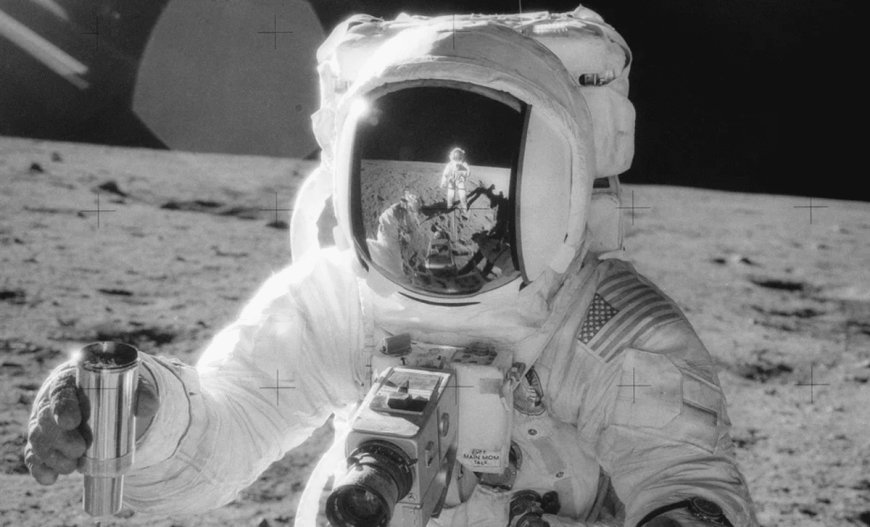
For years, scientists have wondered about the true nature of the moon’s magnetic field. While some believed it was strong in the past, others argued that it was weak for most of the moon’s history. This long-standing mystery has sparked debates and research, but now, thanks to a fresh look at samples brought back from the Apollo missions, the puzzle is starting to come together. By reanalyzing these lunar rocks, scientists have uncovered new insights that challenge previous assumptions and offer a more complete picture of the moon’s magnetic past.
The Long-Standing Debate on the Moon’s Magnetic Field
For many years, scientists have been puzzled by the question of whether the moon ever possessed a strong magnetic field. Apollo mission rock samples, which were collected from a variety of lunar locations, offered the first tangible evidence of the moon’s magnetic properties. Some of these rocks exhibited surprisingly strong magnetic fields, leading scientists to believe that the moon may have had a significant magnetic field at some point in its history. However, this notion has been controversial, as the moon’s small core, only about one-seventh of its radius, suggested it would be difficult for the moon to generate a strong magnetic field for extended periods.
The new study, led by Claire Nichols from the University of Oxford, and published Thursday (Feb. 26) in Nature Geoscience, provides a fresh perspective. The research suggests that while the moon may have had intense bursts of magnetic activity in its early years, these were short-lived, lasting only a few thousand years or possibly even just a few decades. This new theory puts an end to the debate by confirming that for the majority of its 4.5-billion-year history, the moon’s magnetic field was weak, which aligns more closely with the moon’s size and composition.

The Role of Titanium-Rich Rocks in the Magnetic Mystery
The key to solving the moon’s magnetic puzzle lies in the study of titanium-rich lunar rocks. The researchers found that the magnetic fields in these rocks were significantly stronger than in those with lower titanium content.
“For very short periods of time — no more than 5,000 years, but possibly as short as a few decades — melting of titanium-rich rocks at the moon’s core-mantle boundary resulted in the generation of a very strong field,” explained Claire Nichols.
This finding suggests that during specific periods in the moon’s history, the melting of titanium-rich material deep within the moon’s interior temporarily generated a powerful magnetic field.
These bursts of magnetic activity likely occurred when the moon’s core and mantle interacted, resulting in the melting of titanium-rich rocks that could generate magnetic fields. However, these events were brief and localized, and as the moon’s internal processes slowed down, the magnetic field weakened. This has profound implications for understanding the early geological history of the moon and how its internal dynamics may have contributed to its magnetic properties.

Credit: Nature Geoscience
Sampling Bias in Apollo Mission Data
A significant factor in the ongoing debate about the moon’s magnetic history was the limited scope of the Apollo missions. Between 1969 and 1972, six Apollo missions landed on the moon, but they all focused on relatively similar regions, primarily near the lunar equator in the large, flat maria plains. These areas, which were formed by ancient volcanic activity, are rich in basaltic rock and contain a higher concentration of titanium.
This sampling bias led to the assumption that the moon consistently exhibited strong magnetic activity, based on the titanium-rich samples collected. However, this was far from a comprehensive representation of the moon’s full history. As study co-author Jon Wade noted,
“If we were aliens exploring the Earth, and had landed here just six times, we would probably have a similar sampling bias — especially if we were selecting a flat surface to land on.”
The lunar maria region was particularly advantageous for the Apollo missions to land on, as it provided large, relatively smooth surfaces for the spacecraft to land. However, the bias in the sample collection means that scientists could have missed crucial information about the moon’s magnetic field.
As Wade further pointed out,
“It was only by chance that the Apollo missions focused so much on the mare region of the moon — if they landed somewhere else, we would likely have concluded that the Moon only ever had a weak magnetic field and missed this important part of early lunar history entirely.”
This new study highlights the importance of diversifying the landing sites for future lunar missions, such as NASA’s Artemis program, to ensure a more complete understanding of the moon’s geological past.
Enjoyed this article? Subscribe to our free newsletter for engaging stories, exclusive content, and the latest news.
What's Your Reaction?
 Like
0
Like
0
 Dislike
0
Dislike
0
 Love
0
Love
0
 Funny
0
Funny
0
 Angry
0
Angry
0
 Sad
0
Sad
0
 Wow
0
Wow
0