



























NASA’s Expedition 74: A Step Closer to Unlocking the Mysteries of Space Health

In the high-tech world of space exploration, every mission brings new challenges and insights that push the boundaries of human achievement. One such mission, NASA’s Expedition 74 aboard the International Space Station (ISS), is no exception. In early February 2026, this expedition not only advanced critical research to improve human health in space but also underwent rigorous training simulations to prepare for any emergencies that might arise. As NASA adjusts the timeline for the launch of SpaceX’s Crew-12 mission, Expedition 74 continues to make strides in both scientific discovery and astronaut preparedness. For a detailed overview of these activities, you can explore the original article by NASA.
Advancing Pharmaceutical Research in Space
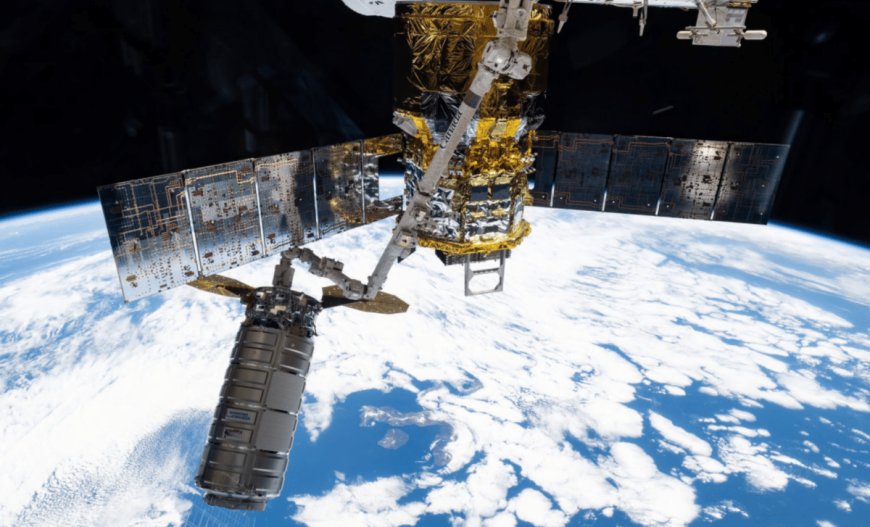
Expedition 74 astronauts have begun setting up advanced pharmaceutical research equipment aboard the ISS. One of the most groundbreaking studies involves protein crystallization, a process that is significantly enhanced in the microgravity environment of space. On Earth, the weight of gravity can distort protein crystals, making them difficult to analyze. However, in space, these crystals form more perfectly, providing scientists with clearer structures. By studying these structures, NASA is helping researchers develop more effective and safer drugs. This research is not only relevant for space exploration but also for Earth-bound applications, especially in the fields of medicine and drug manufacturing.

NASA/James Blair
This setup is crucial for capturing high-resolution data that can aid pharmaceutical research for years to come. It’s a perfect example of how space research can lead to unexpected breakthroughs on Earth, improving the health and well-being of people globally.
Exercise Research: Understanding Health in Microgravity
The challenges of exercising in space are well-documented, with microgravity significantly altering how the human body functions. For astronauts on long-term missions, maintaining cardiovascular health is critical. Expedition 74’s crew is conducting valuable research to monitor and improve the health of astronauts during their time in space. NASA Flight Engineer Chris Williams set up an exercise cycle and attached biomedical gear to measure his heart rate, breathing, and other critical health metrics.
The aim of this exercise is to better understand how astronauts’ bodies adapt to microgravity over extended periods. This information is crucial for the future of long-duration space missions, including those that may take astronauts to Mars. By studying these effects, scientists hope to develop better countermeasures for maintaining astronauts’ physical health, ensuring they remain fit enough to perform their duties while on missions and recover quickly upon their return to Earth. These health measures are also critical for future space tourism, where long stays in space may become more common for private citizens.
Soyuz Training: Preparing for the Unexpected
One of the most critical aspects of space missions is emergency preparedness. In the unlikely event of a crisis, astronauts need to act swiftly and efficiently to ensure their survival and the success of the mission. As part of Expedition 74’s ongoing training, crew members participated in simulations designed to prepare them for rapid evacuation scenarios. This training involved a quick boarding exercise aboard the Soyuz spacecraft, followed by undocking and practicing both manual and automated descents to Earth.
These exercises are vital in maintaining operational readiness. While space missions typically proceed without major issues, having contingency plans in place ensures that the crew can respond effectively should an emergency arise. The ability to execute these maneuvers with precision could be the difference between life and death in a space mission. The astronauts train in simulations to ensure that, if ever faced with an actual emergency, they would react with the same confidence and skill as they do in their training.
Crew-12 Mission Delays: What It Means for NASA’s Goals
NASA’s SpaceX Crew-12 mission was initially scheduled to launch earlier in February 2026, but unfavorable weather conditions have forced a delay. As of now, the launch is rescheduled for February 12, 2026, at 5:38 AM EST. This delay highlights the unpredictability of space missions, where weather conditions and other factors must be carefully considered to ensure the success of the mission. The Crew-12 mission will bring fresh astronauts to the ISS as part of the ongoing rotation of crew members aboard the station.
NASA and SpaceX are working together to ensure that the mission is launched safely, and all conditions are met for a smooth trip to the ISS. While delays are an inevitable part of space travel, they do not diminish the significance of the mission. Each successful launch contributes to the long-term goals of human exploration, advancing technology and building the foundation for even more ambitious missions in the future, including trips to Mars and beyond.
Biomedical Research: Analyzing the Effects of Space on Human Health
Another key aspect of Expedition 74 is the ongoing biomedical research to understand how living in space affects astronauts’ health. Over time, exposure to microgravity and space radiation can have various effects on the human body. In addition to cardiovascular studies, crew members are also participating in research focused on the nervous and immune systems. For instance, station commander Sergey Kud-Sverchkov recently collected saliva samples and underwent 24-hour cardiac monitoring. This data will help scientists better understand how long-duration spaceflight impacts the body at a cellular level.
Understanding these health impacts is critical for ensuring that astronauts remain healthy during their missions and for advancing medical research that can be applied to Earth-based health issues. Space agencies are keen to learn how the human body copes with isolation, weightlessness, and radiation, as these factors could play a significant role in future space missions, including deep-space exploration.
Enjoyed this article? Subscribe to our free newsletter for engaging stories, exclusive content, and the latest news.
What's Your Reaction?
 Like
0
Like
0
 Dislike
0
Dislike
0
 Love
0
Love
0
 Funny
0
Funny
0
 Angry
0
Angry
0
 Sad
0
Sad
0
 Wow
0
Wow
0