




























NASA Volunteers Uncover Unusually High Solar Flare Rates in New Study

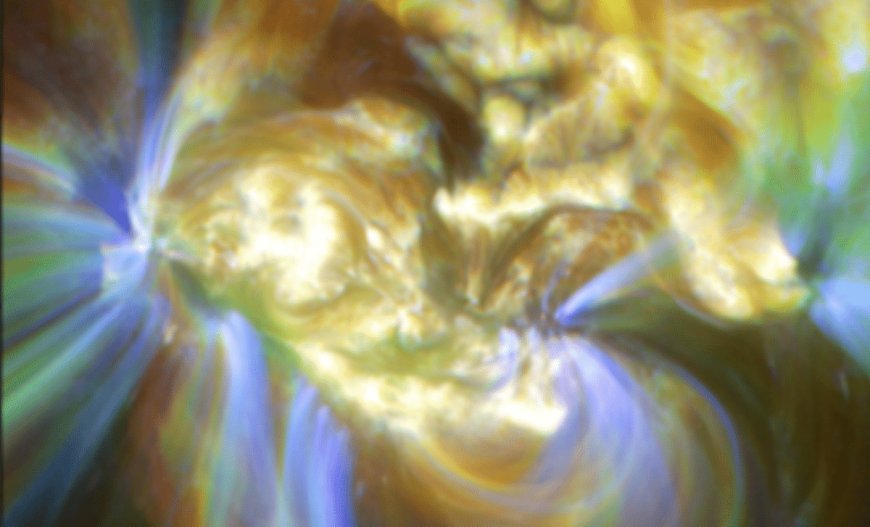
NASA’s latest study, relying on inputs from the Solar Active Region Spotter citizen science project, has uncovered groundbreaking insights into solar flare behavior. Volunteers from around the globe have helped scientists discover that long-lived active regions on the Sun produce far more intense and frequent solar flares than short-lived ones. This discovery has the potential to reshape how we predict space weather, offering new clues about the Sun’s magnetic fields and their impact on our planet.
NASA’s Solar Active Region Spotter Project: Crowdsourcing the Future of Space Weather
For years, NASA has turned to citizen science to bolster its exploration of space. One such initiative, the Solar Active Region Spotter project, harnessed the power of volunteers to analyze solar images captured by the Solar Dynamics Observatory (SDO). By looking at pairs of images of the Sun’s active regions, volunteers helped scientists track and evaluate magnetic activity, particularly in regions with the potential to trigger solar flares.
Unlike typical solar phenomena that last only a few days or weeks, some regions on the Sun’s surface hold on to their magnetic fields for much longer, sometimes months. These long-lived active regions, as identified in NASA’s new study, are the surprising powerhouses behind the most intense solar flares. The research found that these regions were disproportionately likely to produce the most powerful flares, affecting not just solar weather, but also Earth’s magnetic field.

Credit: NASA
Why Long-Lived Active Regions Matter
Understanding the behavior of long-lived active regions on the Sun is key to forecasting solar flares. The study reveals that these persistent regions are three to six times more likely than shorter-lived regions to be the source of extreme solar flares. Solar flares, which release immense bursts of energy, can have wide-ranging impacts on satellite communications, GPS systems, and even power grids on Earth. This new insight provides an important tool for better predicting and preparing for such events.
The data also suggests that these long-lived regions might provide clues to deeper magnetic activity within the Sun. As the Sun’s surface undergoes complex changes, scientists can now use long-lived active regions as indicators of solar dynamics deeper inside the Sun, potentially revealing how solar cycles and magnetic fields interact over time.
Space Weather: Why It’s Critical to Earth’s Future
Solar flares might seem like a distant concern, but they can have real consequences on Earth. These solar phenomena can disrupt satellite operations, cause communication outages, and even trigger geomagnetic storms that can impact power grids. With our increasing reliance on satellite technology, understanding the behavior of the Sun is more important than ever.
The new study’s findings emphasize the need for more refined space weather prediction models. By focusing on long-lived active regions, scientists can develop better forecasting tools, which could help minimize the impacts of solar flares on modern infrastructure. As we continue to explore the effects of space weather, better predictions will be critical for safeguarding technology-dependent societies.
Enjoyed this article? Subscribe to our free newsletter for engaging stories, exclusive content, and the latest news.
What's Your Reaction?
 Like
0
Like
0
 Dislike
0
Dislike
0
 Love
0
Love
0
 Funny
0
Funny
0
 Angry
0
Angry
0
 Sad
0
Sad
0
 Wow
0
Wow
0