



























Missouri’s Drowned Giants — The Ozark Valleys the Army Corps of Engineers Flooded in the 1930s

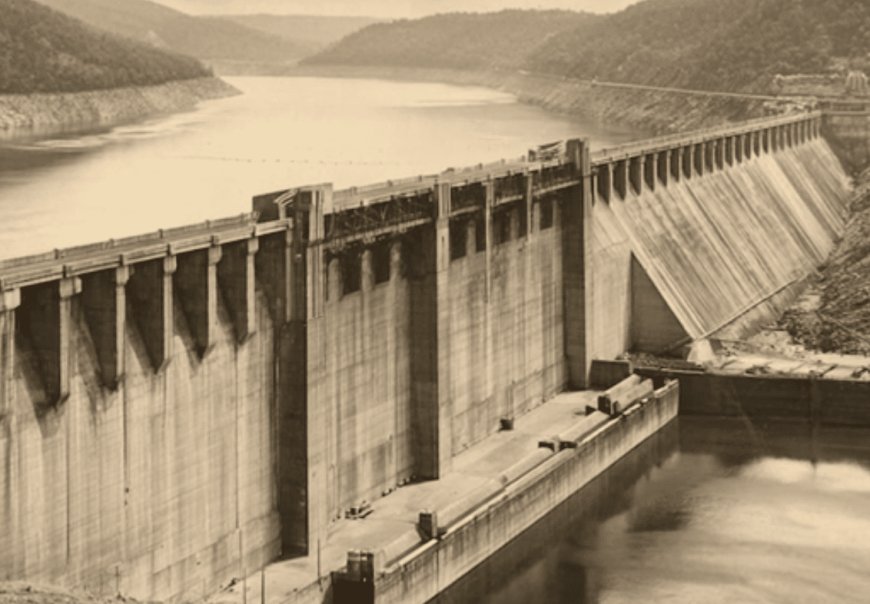
 Between 1931 and 1979, the Army Corps of Engineers built massive dams across the Ozark region, flooding millions of acres and creating dozens of enormous reservoirs. Lake of the Ozarks. Table Rock Lake. Bull Shoals. Truman Lake. Official reason: flood control, hydroelectric power, recreation. But every major valley flooded had one thing in common—documented giant skeleton discoveries in the decades before the dams were built. 1885, Osage River valley (now Lake of the Ozarks): Workers exposed caves containing skeletal remains with a femur measuring thirty-three inches—suggesting a nine-foot height. 1903, same valley: Farmer Thomas Clarkson discovered a stone chamber ten feet square containing three skeletons, the largest measuring eight feet seven inches, alongside a twelve-pound copper blade.
Both sites were collected by the Smithsonian, then flooded in 1931 beneath what became a 60,000-acre reservoir. 1921, White River valley (now Table Rock Lake): Missouri Speleological Survey documented cave chambers containing seven giant skeletons ranging from seven feet four inches to nine feet one inch, with corbelled ceilings and copper tools. The survey recommended multi-year investigation. In 1958, before that study could happen, the entire valley was flooded beneath 200 feet of water. 1936, Bull Shoals region: WPA archaeological team excavated a collapsed stone structure containing fifteen skeletons ranging from seven feet six inches to eight feet eleven inches. Their report recommended preservation for further study. In 1951, the site was submerged beneath Bull Shoals Lake. 1968-1974, Osage River valley near Clinton, Missouri (now Truman Lake): Pre-dam surveys documented "anomalous structures of unknown origin" and noted that "preliminary excavation revealed skeletal remains of unusual size" but "further investigation was not possible due to project timeline constraints." The site was flooded in 1979. Materials collected were sent to the Army Corps of Engineers for "long-term storage and potential future analysis." There is no public record of that analysis ever being conducted.
https://youtu.be/vtnqyTcgMIk
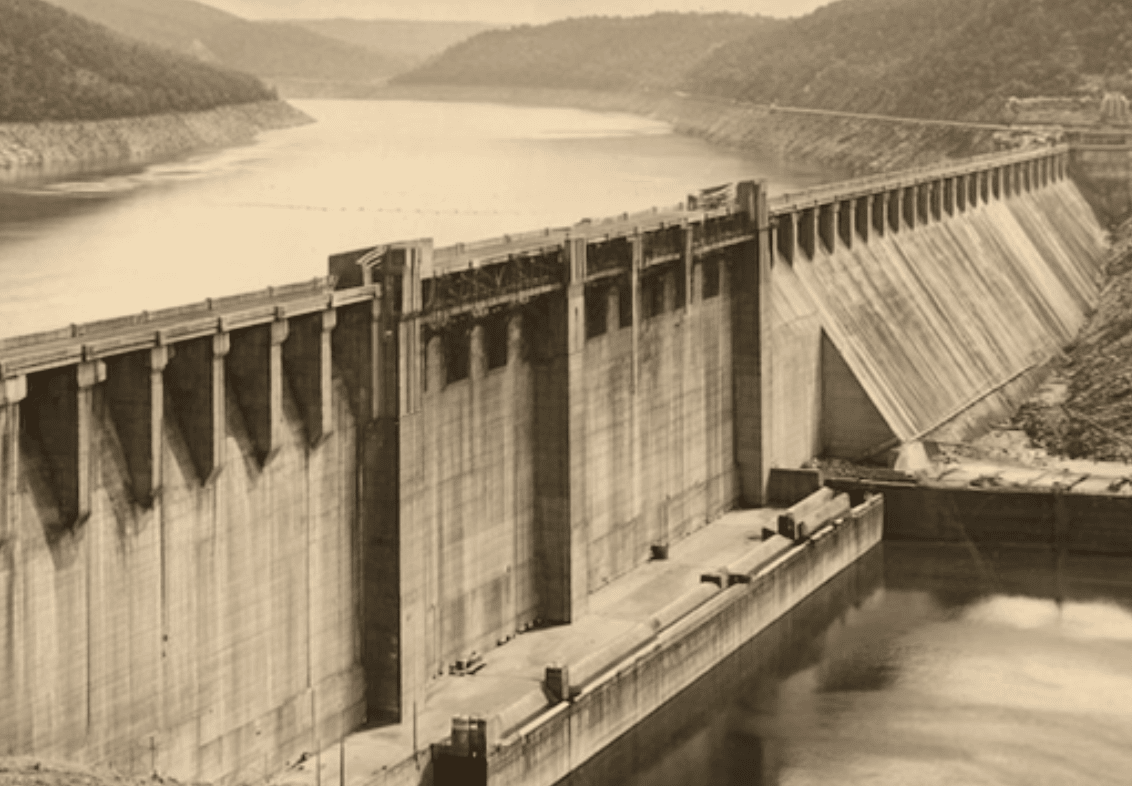
Between 1931 and 1979, the Army Corps of Engineers built massive dams across the Ozark region, flooding millions of acres and creating dozens of enormous reservoirs. Lake of the Ozarks. Table Rock Lake. Bull Shoals. Truman Lake. Official reason: flood control, hydroelectric power, recreation. But every major valley flooded had one thing in common—documented giant skeleton discoveries in the decades before the dams were built. 1885, Osage River valley (now Lake of the Ozarks): Workers exposed caves containing skeletal remains with a femur measuring thirty-three inches—suggesting a nine-foot height. 1903, same valley: Farmer Thomas Clarkson discovered a stone chamber ten feet square containing three skeletons, the largest measuring eight feet seven inches, alongside a twelve-pound copper blade.
Both sites were collected by the Smithsonian, then flooded in 1931 beneath what became a 60,000-acre reservoir. 1921, White River valley (now Table Rock Lake): Missouri Speleological Survey documented cave chambers containing seven giant skeletons ranging from seven feet four inches to nine feet one inch, with corbelled ceilings and copper tools. The survey recommended multi-year investigation. In 1958, before that study could happen, the entire valley was flooded beneath 200 feet of water. 1936, Bull Shoals region: WPA archaeological team excavated a collapsed stone structure containing fifteen skeletons ranging from seven feet six inches to eight feet eleven inches. Their report recommended preservation for further study. In 1951, the site was submerged beneath Bull Shoals Lake. 1968-1974, Osage River valley near Clinton, Missouri (now Truman Lake): Pre-dam surveys documented "anomalous structures of unknown origin" and noted that "preliminary excavation revealed skeletal remains of unusual size" but "further investigation was not possible due to project timeline constraints." The site was flooded in 1979. Materials collected were sent to the Army Corps of Engineers for "long-term storage and potential future analysis." There is no public record of that analysis ever being conducted.
https://youtu.be/vtnqyTcgMIk
What's Your Reaction?
 Like
0
Like
0
 Dislike
0
Dislike
0
 Love
0
Love
0
 Funny
0
Funny
0
 Angry
0
Angry
0
 Sad
0
Sad
0
 Wow
0
Wow
0