





























In 1992, a Man Searching for a Lost Hammer Accidentally Uncovered Largest Roman Treasure Worth £1.75 Million

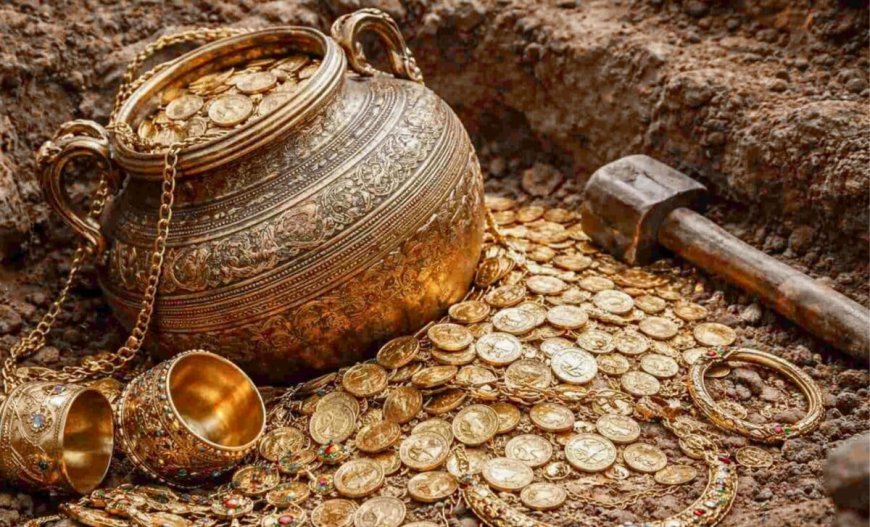
Eric Lawes walked into a Suffolk field on a damp November morning looking for a lost hammer. He walked out with history. What he discovered beneath the plough soil would soon be valued at nearly £2 million, displayed in one of the world’s great museums, and debated by scholars for decades. The hammer, recovered hours later, now sits in a glass case a few feet from gold that once adorned a Roman aristocrat.

The 1992 discovery at Hoxne remains the largest hoard of late Roman gold and silver ever found in Britain. But its significance extends beyond weight or valuation. The hoard arrived at a moment when the relationship between amateur metal detecting and professional archaeology was defined by suspicion and conflict. Lawes’ actions that day shifted that dynamic. He stopped digging, called the authorities, and waited. The site remained intact. The context survived.
The Discovery That Changed a Field
On November 16, 1992, Lawes used a metal detector given to him as a retirement present to search for a hammer lost by his friend, tenant farmer Peter Whatling. The detector signaled a find. Lawes dug and recovered several silver spoons and gold coins. Based on records from the Suffolk Archaeological Unit, he then contacted both the police and local archaeologists instead of continuing to dig.
Professional archaeologists excavated the site the following day and documented the hoard in its original position. They recovered remains of an oak chest measuring approximately 60 centimetres by 45 centimetres, inside which objects had been packed with care. Spoons were stacked. Jewellery was wrapped in fabric. Smaller containers made of yew and cherry wood held specific groups of items. Straw and textile fragments survived because the deposit had not been disturbed.
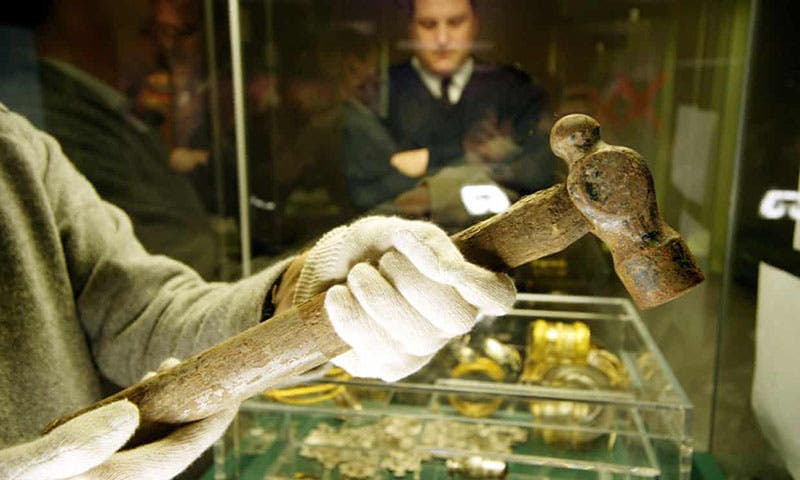
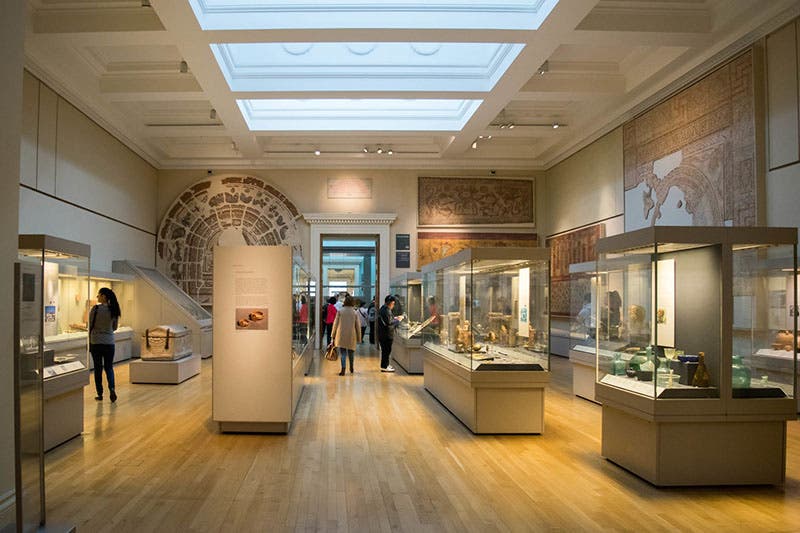
The hoard contained 14,865 coins and more than 200 other objects of gold and silver, including jewellery, tableware, and personal items. The total precious metal weight reached 3.5 kilograms of gold and 23.75 kilograms of silver. The collection now resides in the British Museum, where it occupies a permanent display in Room 49.
A Legal Framework Tested
At the time of discovery, English law treated buried treasure under the ancient principle of treasure trove. This applied only to objects deliberately hidden with intent to recover, made substantially of gold or silver. A coroner’s inquest in 1993 determined the Hoxne Hoard met this definition. The treasure therefore passed to the Crown.
The Treasure Valuation Committee set the hoard’s market value at £1.75 million. Under the system then in effect, this amount was paid to the finder and landowner as a reward. Lawes and Whatling shared the proceeds. The British Museum acquired the hoard using funds from the National Heritage Memorial Fund and other donors.

The case influenced subsequent legal reform. The Treasure Act 1996 replaced treasure trove with a broader statutory framework. It lowered the age threshold for qualifying objects, included base metal assemblages under certain conditions, and formalized reporting procedures. The Linda Hall Library profile of Eric Lawes examines his role in this shift and how his actions brought new respectability to metal detecting.
What the Hoard Reveals
The coin assemblage provides the most precise chronological evidence. Based on analysis published by numismatist Peter Guest in 2005, the latest coins are issues of the usurper Constantine III, minted in 407 or 408. This establishes that the hoard could not have been buried before that year. Many of the silver coins show clipping, the practice of cutting small amounts of metal from the edges. Data indicates this occurred over an extended period, suggesting the hoard may have remained accessible or continued to circulate for decades after the latest coins were struck.

The non coin objects include pieces of exceptional quality. A gold body chain, designed to be worn across the shoulders and chest, represents a type known from only a handful of examples across the empire. Silver pepper pots, or piperatoria, include one shaped as a woman’s head, another as a hare, and a third as a seated figure. A detailed review of Catherine Johns’ comprehensive catalogue, The Hoxne Late Roman Treasure on Academia.edu, confirms the significance of these objects and the interdisciplinary methods used to study them.
Inscriptions on silver spoons include Latin phrases and Christian symbols. One reads VIVAS IN DEO, or “may you live in God.” Another carries the chi rho monogram. These suggest the owners were Christian, or at least moved in circles where Christian expression carried social currency.
The Question of Owners
No direct evidence identifies who owned the Hoxne Hoard. The objects themselves indicate wealth, status, and access to long distance trade networks. Pepper arrived from south Asia. Gold and silver of this quality required specialised workshops, likely based in continental Europe or the eastern empire. The variety of stamps and hallmarks suggests multiple manufacturing sources.
The presence of a post hole identified during follow up excavation in 1994 may indicate the spot was marked. If so, the owners intended to return. That they never did implies death, displacement, or social collapse prevented recovery.
Historical Context and Uncertainty
The early fifth century saw Roman authority in Britain unravel. Constantine III crossed to Gaul with the remaining field army in 407, leaving the province vulnerable. The emperor Honorius reportedly instructed British cities to look to their own defence around 410, though the authenticity of this communication is debated. Coin imports ceased. Administrative structures dissolved.
Whether the Hoxne Hoard relates directly to these events is unknown. It may represent flight before raiders, the spoils of robbery, or the conversion of assets in a collapsing economy. Scholarly interpretation varies. Some researchers emphasise instability and threat. Others point to the careful packing and marking of the site as evidence of planned temporary storage, not panicked concealment.
Enjoyed this article? Subscribe to our free newsletter for engaging stories, exclusive content, and the latest news.
What's Your Reaction?
 Like
0
Like
0
 Dislike
0
Dislike
0
 Love
0
Love
0
 Funny
0
Funny
0
 Angry
0
Angry
0
 Sad
0
Sad
0
 Wow
0
Wow
0