





























History Professor Stumbles Upon A Massive Gold Coin Hoard In A Field, Thanks To His Metal Detector

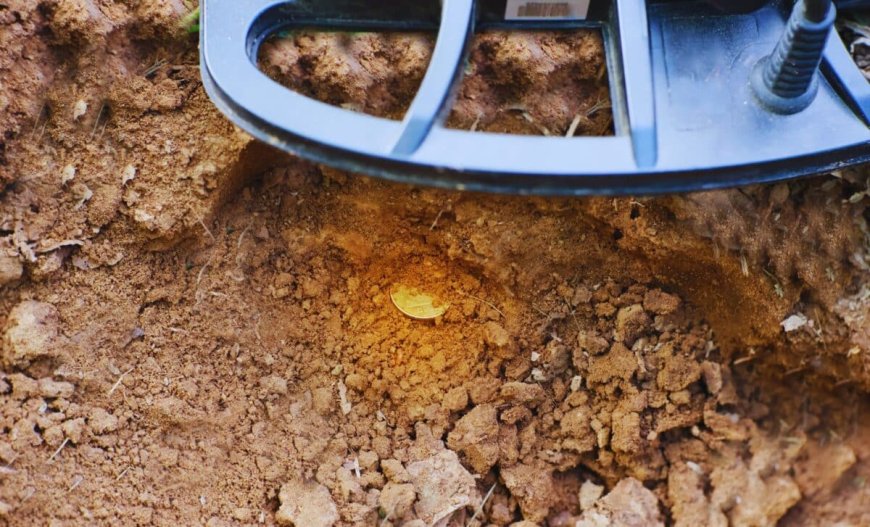
Professor Tom Licence from the University of East Anglia has made an incredible discovery: the largest known hoard of Iron Age gold coins, found in a field near Bury St Edmunds, Suffolk. The 18 gold coins will be auctioned in London next month, with an estimated value of £25,000.
The coins, likely minted during the reign of King Dubnovellaunos of the Trinovantes, add to the growing list of significant archaeological discoveries in the region. The auction, scheduled for March 4th at Noonans, marks another milestone in the fascinating history of British archaeology.
A Lifelong Passion for Metal Detecting
Professor Tom Licence’s passion for metal detecting began in his childhood, and the discovery near Bury St Edmunds is one of his most remarkable finds. According to The Sun, he decided to search the field because his niece wanted to try metal detecting.
“I noticed the field rose gently from a nearby stream and the soil was in perfect condition on a dry October day, so I decided to try my detector.” he recalled. “It was when I was there that I noticed that the field rose from a nearby stream in a gentle gradient and had dark silty soil, which was in a perfect condition on a dry October day, so I decided to use my trusty metal detector“.
Early signals led to Viking hack silver, but it wasn’t until he uncovered his first gold coin that he realized he had found something extraordinary. By the end of the day, he had already uncovered six coins, and a return visit months later brought the total to 18.

King Dubnovellaunos: Monarch of His Era
The coins are believed to be linked to King Dubnovellaunos, who ruled over the Trinovantes, a tribe living in Suffolk, Essex, and Hertfordshire between 25 BC and AD 10. This was a time of transition in Britain, with Roman influence beginning to spread. As stated by Professor Licence, the discovery sheds light on the wealth and trade of the region.
“I was born in Essex but my family has roots in the Bury St Edmunds area, and I like to imagine that the coins were buried by one of my ancestors,” he said.

Local Archaeology Will Never Be the Same After This Sale
The Bury St Edmunds Hoard will be auctioned in London on March 4, with an expected value of £25,000. The proceeds will be used to support archaeological work in Suffolk, continuing efforts to uncover and preserve the region’s rich history. Prof. Licence has chosen to keep one coin as a personal memento, while the landowner will also retain one.
“I was born in Essex but my family has roots in the Bury St Edmunds area, and I like to imagine that the coins were buried by one of my ancestors,” he said.
The proceeds from the sale will help fund archaeological projects in the area, further cementing East Anglia’s reputation for rich historical finds.
Enjoyed this article? Subscribe to our free newsletter for engaging stories, exclusive content, and the latest news.
What's Your Reaction?
 Like
0
Like
0
 Dislike
0
Dislike
0
 Love
0
Love
0
 Funny
0
Funny
0
 Angry
0
Angry
0
 Sad
0
Sad
0
 Wow
0
Wow
0