





























From Working in Kitchens and Washrooms to Running a Business with 40,000 Employees, Madam C.J. Walker Turned $1.25 Into an Empire

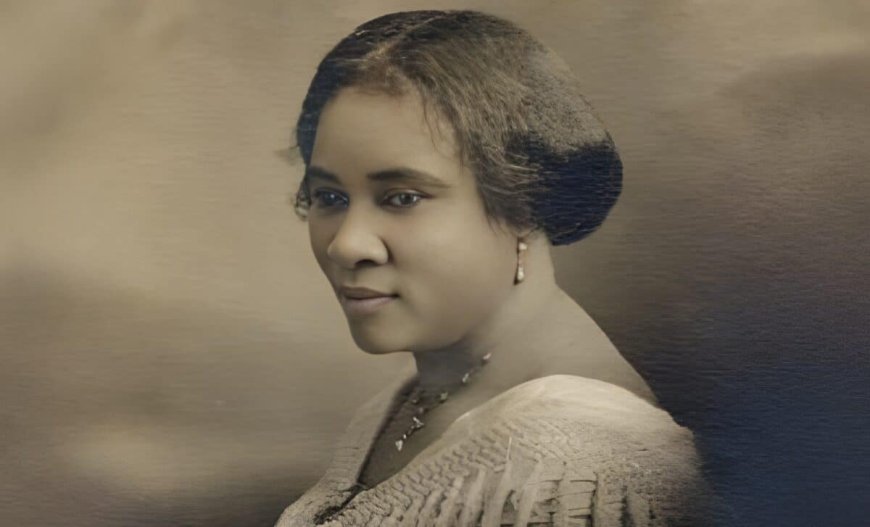
Forbes has included Madam C.J. Walker on its #Forbes250 list of historic innovators, recognizing her as one of the Americans whose ideas helped build lasting business and cultural influence. In its feature on the list, Forbes places Walker among figures whose work changed how industries operated and who left behind models that continued to shape American life long after they were gone.
Walker’s place on the list reflects more than personal wealth. She turned a hair-care venture launched with just $1.25 into a company that, at its height, employed about 40,000 people and opened one of the clearest paths to economic independence for Black women in the early 20th century. By the time of her death in 1919, her net worth had exceeded $1 million, making her one of the most successful self-made businesswomen of her era.
Born Sarah Breedlove in 1867 on a Louisiana plantation, Walker was the daughter of parents who had been enslaved. Her rise was shaped by hardship from the beginning. Orphaned by age seven, she worked in cotton fields and later as a domestic servant, with almost no formal schooling and few opportunities beyond survival.
A Business Shaped by Personal Struggle
Walker married young and was widowed at 20, left to support herself and her daughter, Lelia, in St. Louis. She earned a living washing clothes for about $1 to $1.50 a day, a reality that showed how limited the labor market was for Black women at the time. According to the National Women’s History Museum, those years of domestic work and financial pressure formed the backdrop to the business she would later build.
Her entry into beauty products came from a problem she knew firsthand. Walker suffered from a severe scalp condition that caused hair loss, an issue common among Black women in an era of poor indoor plumbing, harsh soap products and limited access to proper care.
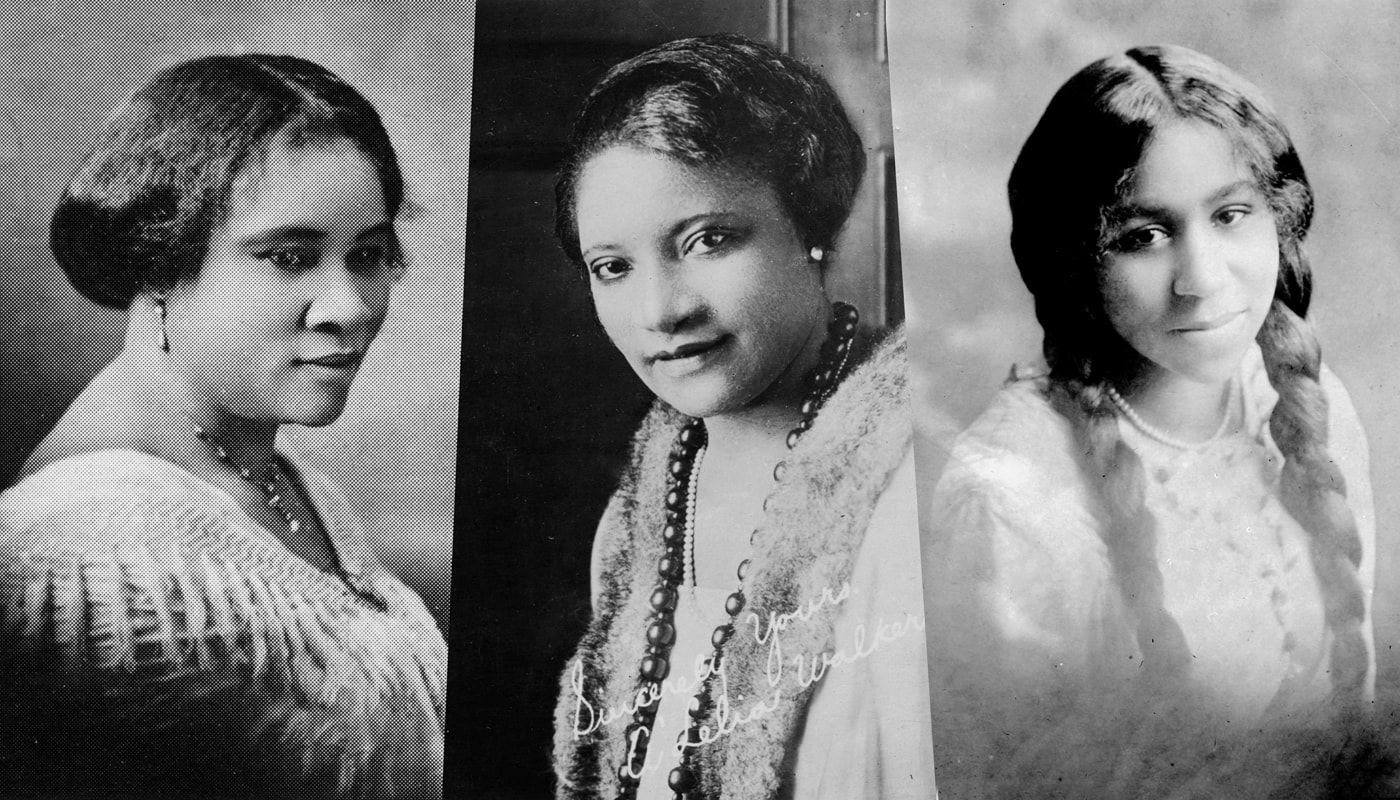
After selling products for another company, she began experimenting with her own formulas and eventually moved to Denver in 1905, where she started marketing “Madam Walker’s Wonderful Hair Grower” under her new married name.
That decision was both practical and strategic. She was not simply selling a jar of pomade. She was creating a brand that spoke directly to Black women whose needs had been ignored by the broader beauty market.
The System Behind the Success
Walker’s real innovation was the Walker System, a full approach to hair and scalp care that included products, demonstration, education and disciplined routines. The line included scalp treatments, shampoo and heated pressing combs, but Walker also emphasized hygiene, nutrition and regular brushing as part of healthier hair care.
She sold the products door to door and by mail order, but she did not stop there. In 1908 she opened a training school in Pittsburgh called Lelia College, where women learned not just the method but also how to sell it. Two years later she moved the business headquarters to Indianapolis and invested $10,000 of her own money to build a factory, laboratory and salon.
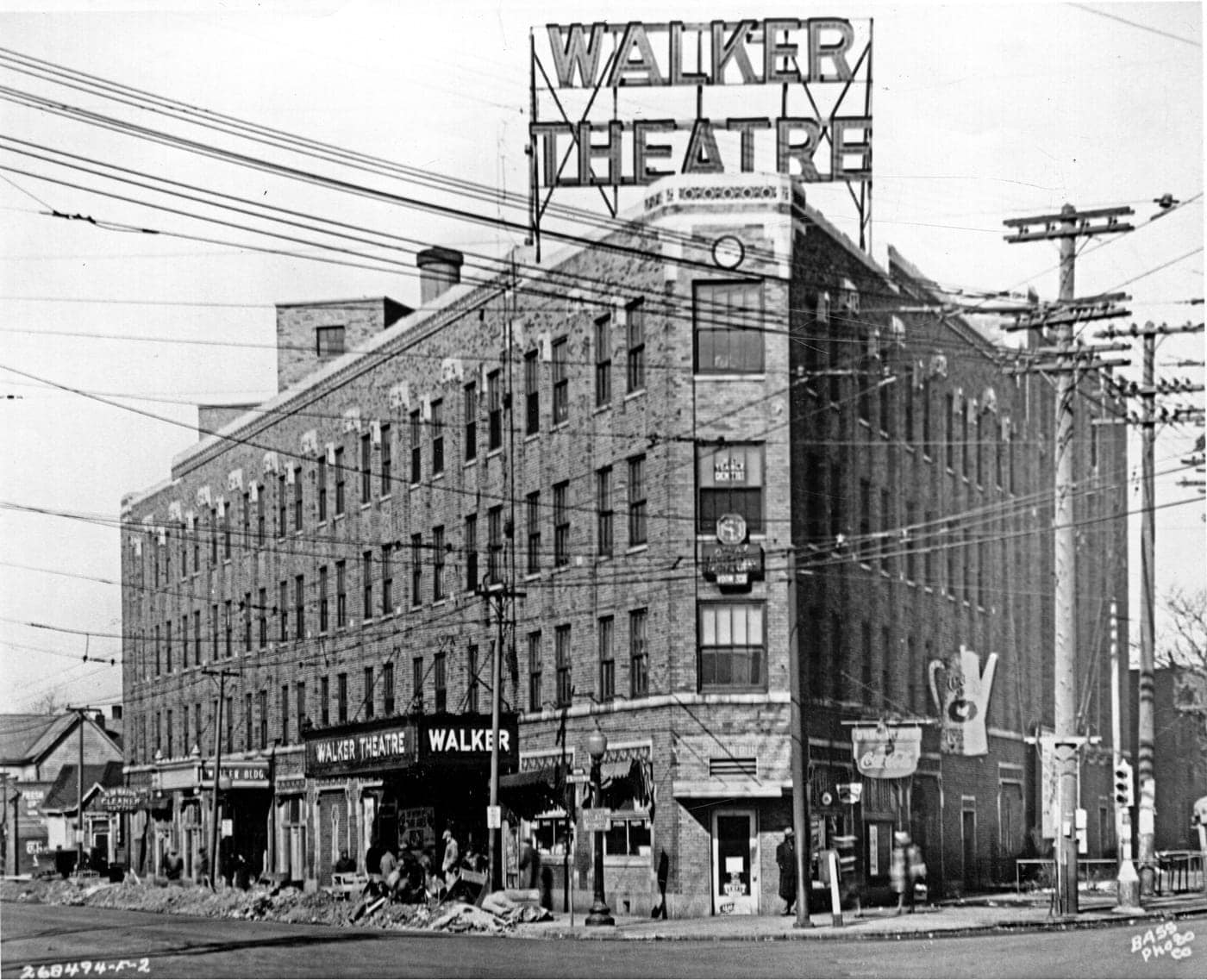
As the National Park Service notes in its history of Walker’s career, that move helped transform her company from a growing brand into a scaled manufacturing and sales operation. She was building infrastructure, not just inventory, and that helped her business expand far beyond one city or one customer base.
Training Women to Build Their Own Income
By 1917, Walker had trained nearly 20,000 beauty culturists, most of them Black women who sold her products, offered treatments and often ran their own salons. At a time when domestic labor remained one of the few available occupations, this model gave many women a chance to earn commissions, develop professional skills and build businesses of their own.
Walker’s annual conventions turned those agents into a national network. Top sellers were rewarded, but community service was also expected, showing that she saw commercial success and civic leadership as connected. Her company reached into Central America and the Caribbean through mail-order sales and local representatives, widening the reach of the brand and the opportunity it created.
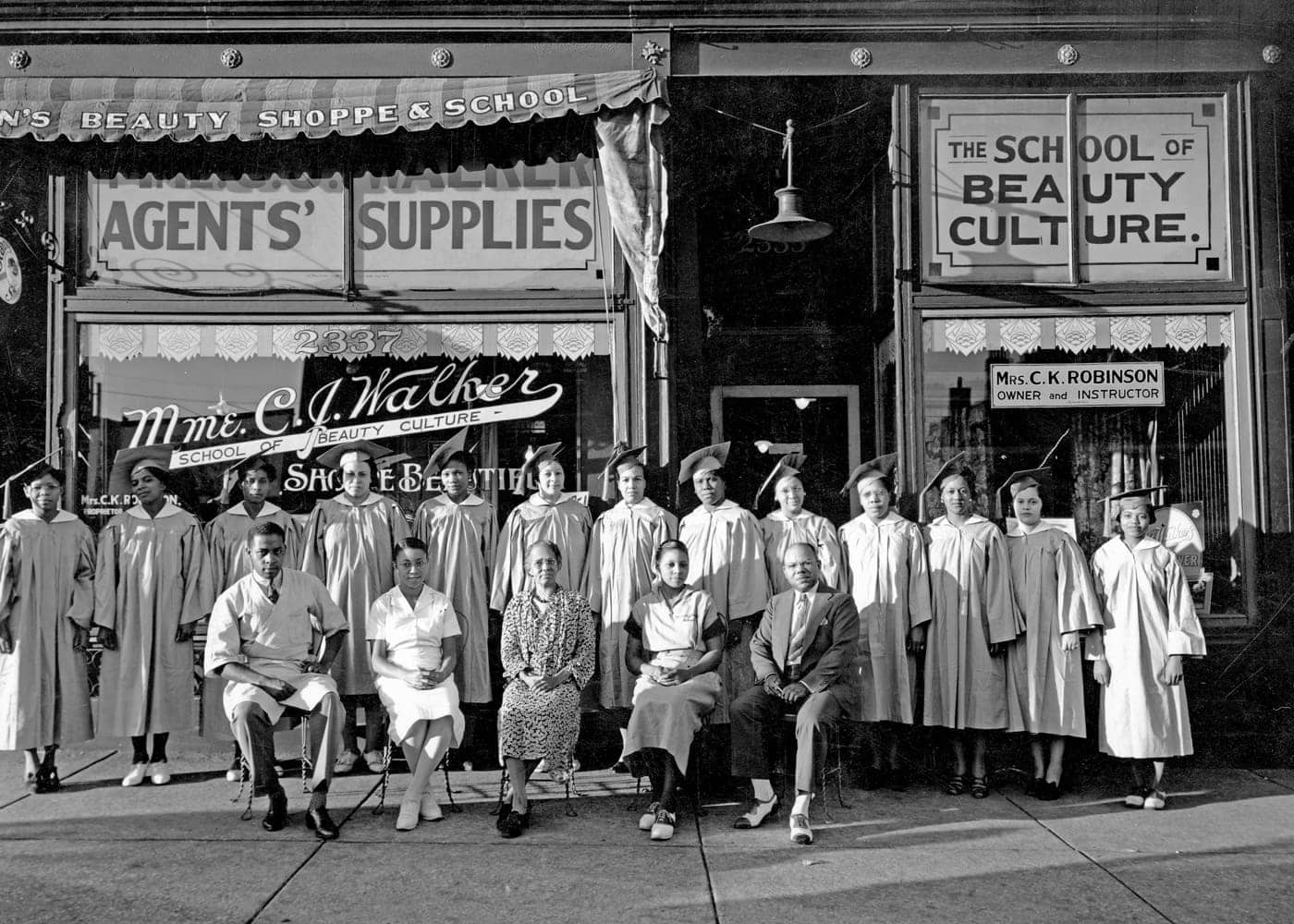
That structure may be the strongest reason Walker still stands out in business history. She was not only making products for a neglected market. She was also building a system in which thousands of women could participate in entrepreneurship for themselves.
Wealth Used for Activism and Institution-Building
Walker used her financial success in public ways. She donated to the NAACP, the YMCA, Tuskegee Institute and schools serving Black students. In 1919, she pledged $5,000 to the NAACP’s anti-lynching campaign, one of the largest individual gifts to that cause at the time.
Her activism went beyond donations. She participated in the 1917 Silent Protest Parade in New York and spoke openly about rising from cotton fields to manufacturing her own goods on land she owned. In the same year, she founded the National Negro Cosmetics Manufacturers Association, an effort to support standards, cooperation and long-term growth among Black-owned beauty businesses.
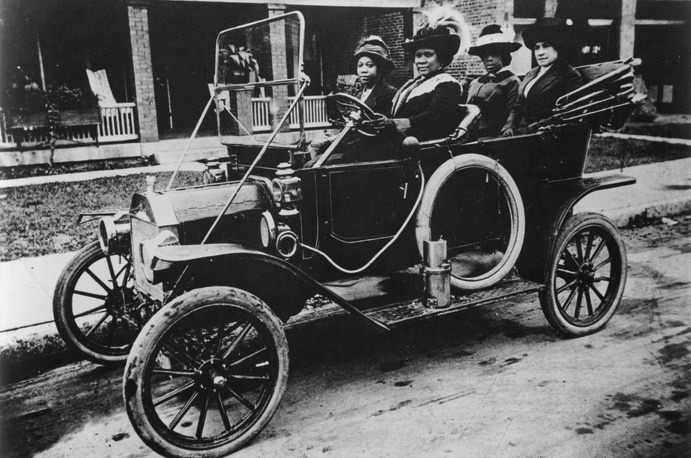
Walker also built spaces that reflected her status and influence. Her 34-room mansion, Villa Lewaro, became a gathering place for Black leaders and artists, while her business properties in Indianapolis and Harlem linked her name to both commerce and culture.
Why Her Legacy Still Holds
Walker died in 1919 at age 51 from complications related to high blood pressure and kidney disease, but her company and influence continued through her daughter A’Lelia Walker. The Indianapolis site tied to her enterprise now operates as the Madam Walker Legacy Center, a National Historic Landmark that hosts performances and cultural programming in a building that still reflects her larger public legacy.
Her story has also been preserved in biographies by A’Lelia Bundles, in a U.S. postage stamp and in the National Women’s Hall of Fame. Those recognitions explain why Forbes included her on a list meant to honor Americans who built durable models of innovation.
Walker created a cosmetics company, but she also created jobs, training structures, business standards and a path to philanthropy and public influence for generations that followed.
Enjoyed this article? Subscribe to our free newsletter for engaging stories, exclusive content, and the latest news.
What's Your Reaction?
 Like
0
Like
0
 Dislike
0
Dislike
0
 Love
0
Love
0
 Funny
0
Funny
0
 Angry
0
Angry
0
 Sad
0
Sad
0
 Wow
0
Wow
0