





























Divers Discover a 92-Foot-Long Well-Preserved Shipwreck Off Denmark’s Coast

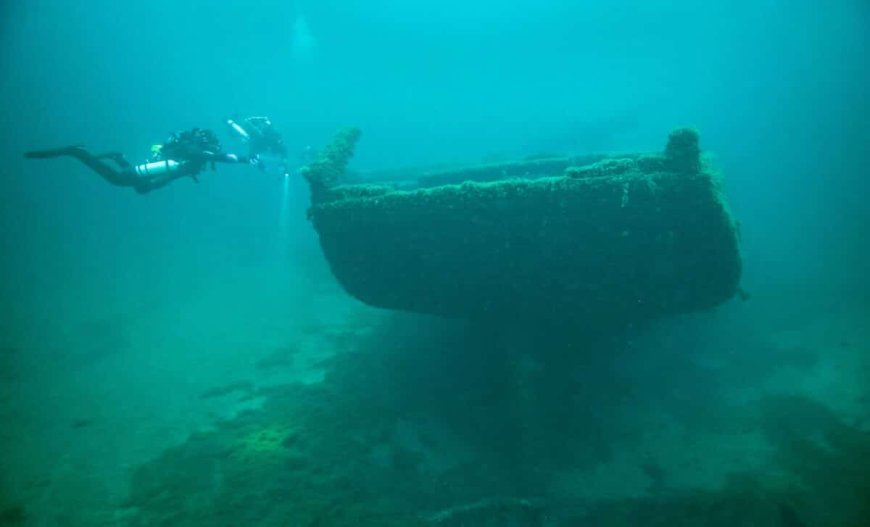
A massive medieval shipwreck has been uncovered in a strait off Denmark, with researchers calling it the largest vessel of its kind ever found. The 600-year-old cog was discovered off the coast of Copenhagen. Named Svælget 2, the shipwreck measures nearly 92 feet in length and is providing valuable insights into the trade networks of the 14th and 15th centuries. According to the excavation team at Denmark’s Viking Ship Museum, this discovery marks a milestone in maritime archaeology.
The wreck was uncovered by archaeologists conducting seabed investigations for a new artificial island project in Denmark. Beneath layers of sand and silt, the wreck emerged, revealing a well-preserved cog.
A Breakthrough in Medieval Maritime Archaeology
Svælget 2 is a cog, a round, square-sailed ship that was widely used for transporting goods during the medieval period. At around 92 feet long and 30 feet wide, this ship is the largest of its kind ever found. Its size indicates it was capable of carrying vast amounts of cargo and artifacts over long distances.
Otto Uldum, a maritime archaeologist with Denmark’s Viking Ship Museum and the excavation leader, said in statement that:
“It is the largest cog we know of, and it gives us a unique opportunity to understand both the construction and life on board the biggest trading ships of the Middle Ages.”

This discovery shows just how advanced medieval shipbuilders were and how important cogs were to Europe’s economy. These ships, capable of carrying a lot of goods at a low cost, helped drive trade between the Baltic and the Low Countries.
Uncovering Artifacts and Everyday Life at Sea
The shipwreck is notable for the exceptional preservation of its features. The starboard side of the sea wreck was shielded by centuries of sand, which allowed for the preservation of delicate elements such as its rigging. This is a remarkable find, as no other cog wrecks have shown traces of rigging.

Researchers also discovered the first-ever brick galley on a medieval vessel in Danish waters, allowing the crew to prepare hot meals at sea. Personal items like hair combs and rosary beads offer a rare glimpse into the daily lives and spiritual practices of the crew. Cooking utensils, such as pots and bowls, further highlight how the crew sustained themselves during long voyages.
What Happened to Svælget 2’s Missing Cargo?
While much has been uncovered about its structure and the lives of its crew, one key element remains a mystery: the ship’s cargo. The hold of the shipwreck was uncovered, but there are no signs of barrels or goods that the ship may have been transporting.

It is likely that the cargo was lost when the ship sank. However, based on the ship’s size and construction, Svælget 2 was almost certainly a merchant vessel. As explained by the team:
Svælget 2 “would have allowed for the transportation of bulky everyday goods such as salt, timber, bricks and basic food items over long distances, which would have previously only been done for luxury goods.”
Enjoyed this article? Subscribe to our free newsletter for engaging stories, exclusive content, and the latest news.
What's Your Reaction?
 Like
0
Like
0
 Dislike
0
Dislike
0
 Love
0
Love
0
 Funny
0
Funny
0
 Angry
0
Angry
0
 Sad
0
Sad
0
 Wow
0
Wow
0