


























China Successfully Sends Reusable Spacecraft Into Orbit on Fourth Secret Mission

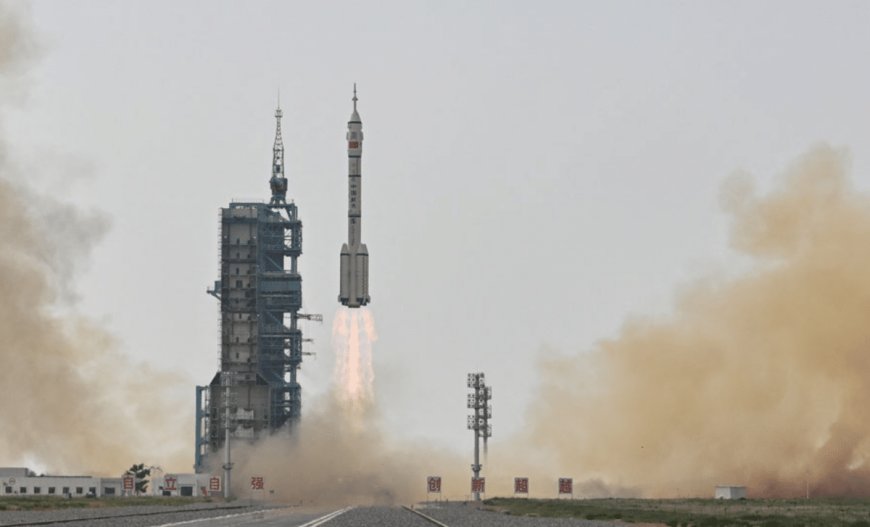
China has once again made waves in space exploration with the successful launch of its experimental reusable spaceplane, marking its fourth mission in a series of highly anticipated tests. On January 2026, the Shenlong spaceplane lifted off aboard a Long March 2F rocket from the Jiuquan Satellite Launch Center, continuing China’s push toward advancing reusable spacecraft technology.
The Reusable Spaceplane: A Technological Milestone
China’s Shenlong spacecraft program represents a leap forward in the country’s growing space ambitions. While details about the mission remain scarce, the purpose behind this advanced technology is clear: to create reusable spacecraft capable of reducing the costs and increasing the efficiency of space travel.
“The experimental spacecraft will conduct technological verification for reusable spacecraft, providing technical support for the peaceful use of space,” Xinhua reported.
This indicates that the program is not only aimed at developing cutting-edge space technology but also ensuring these innovations can be utilized for peaceful, sustainable purposes.
The Shenlong program is a part of China’s broader space strategy, which includes not only advancements in spacecraft but also the country’s ambitions to establish a more permanent human presence in space. The spacecraft is designed to be reused multiple times, significantly lowering the cost of sending payloads into space. This is a key advantage over traditional expendable spacecraft, which are discarded after each mission. The success of this mission is a crucial step in China’s long-term vision to be a dominant player in space exploration.
The Strategic Importance of Spacecraft Reusability
Reusable spacecraft are considered the future of space exploration due to their potential to revolutionize the industry. Space agencies and private companies around the world are investing heavily in this technology, with major players like NASA, SpaceX, and Blue Origin already advancing their reusable spacecraft programs. China’s focus on developing its own reusable spaceplane, the Shenlong, highlights the country’s desire to not only compete on the global stage but also lead the way in space innovations.
The technological verification tests carried out by the Shenlong spacecraft are expected to lead to breakthroughs in several areas, including spacecraft materials, fuel efficiency, and automated re-entry systems.
China’s Secrecy Around the Mission
The level of secrecy surrounding China’s Shenlong spacecraft missions has raised questions among experts and competitors alike. While the country has revealed minimal details about the spacecraft’s design, functionality, and mission objectives, it is clear that these launches are part of a highly strategic plan. China’s cautious approach to public disclosure is consistent with its broader space strategy, which emphasizes technological advancements while protecting sensitive information.
This secretive nature of the mission has sparked discussions within the global space community. Many wonder if China’s strategy is driven by national security concerns or simply the desire to maintain a competitive edge in space technology. In any case, the Shenlong program is an essential part of China’s future space plans. By keeping critical details under wraps, China is ensuring that its technological advancements stay ahead of global competition.
Enjoyed this article? Subscribe to our free newsletter for engaging stories, exclusive content, and the latest news.
What's Your Reaction?
 Like
0
Like
0
 Dislike
0
Dislike
0
 Love
0
Love
0
 Funny
0
Funny
0
 Angry
0
Angry
0
 Sad
0
Sad
0
 Wow
0
Wow
0