




























Canadian Retiree Builds Home Hydropower System That Generates 36 kWh of Daily Electricity From River Flow

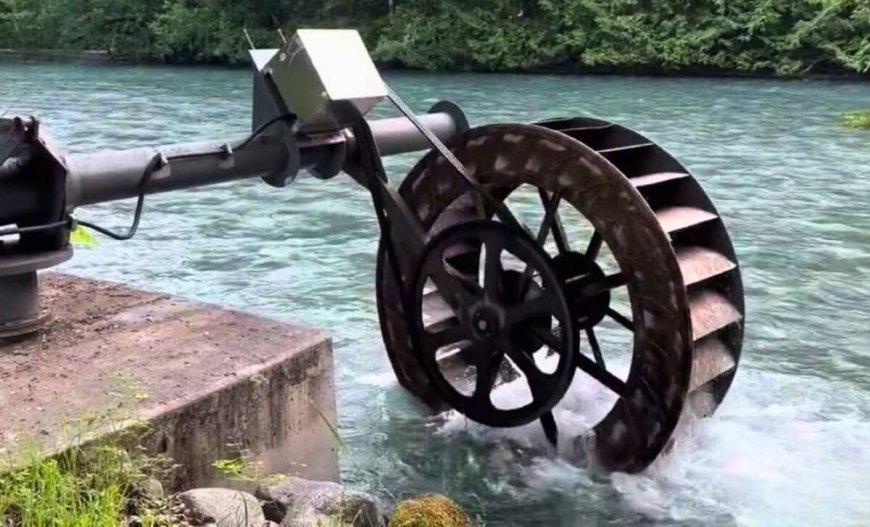
A retired Canadian engineer has developed a river-powered water wheel that can generate up to 36 kWh per day under stable conditions. The device, created by Marc Nering in British Columbia, produces continuous renewable energy by harnessing the natural flow of a fast-moving river without requiring a conventional dam.
The system delivers around 1,500 watts of steady power, enough to cover significant household electricity use in the right setting. Nering confirmed its residential role directly, saying, “I use it to power my house,” and added that excess electricity can be exported through a grid-tied converter. That makes the project more than a concept piece: it is already functioning as a small-scale hydroelectric solution at home scale.

The idea has attracted attention because it offers a form of renewable energy that works continuously when river flow remains stable. Unlike solar panels or wind turbines, which depend on weather and daylight, this run-of-river hydropower setup can provide a more constant baseline of power. That steady output is the main reason the design stands out in coverage of off-grid and rural energy systems.
How the System Works
The setup is based on a simple principle: flowing water turns a large wheel, which then drives a generator. The wheel is installed along the riverbank and depends on strong water velocity rather than stored water behind a dam. Nering described that advantage plainly: “You don’t need to dam a river to use it.”
That detail is central to the project’s appeal. By using river speed directly, the system reduces the amount of infrastructure compared with traditional hydroelectric plants. It still requires a suitable site, a stable foundation, and environmental review, but the underlying mechanism is much simpler than a dam-based installation.
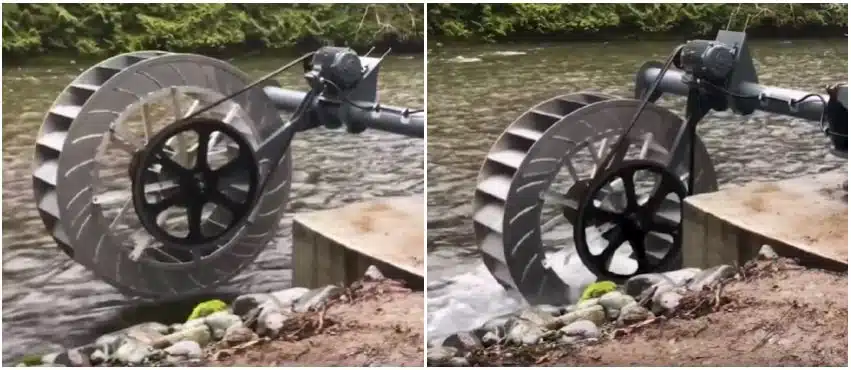
The river itself must meet minimum conditions. Nering said the wheel needs a flow of “Ten feet or 3 meters per second, at minimum.” Without that level of current, the system’s output drops, which means the design is best suited to specific rivers rather than universal residential use.
Why Steady Generation Matters
Power figures in the coverage vary depending on source and operating conditions, but the main takeaway is consistency, not headline peak output. Nering says the wheel typically generates between 800 and 900 watts, with steady operation near 1,500 watts and moments approaching 2 kilowatts. Over 24 hours, that sustained performance adds up to roughly 36 kWh per day.
Nering also gave a top-end figure from his own experience, saying, “The most I’ve made is about 3 kilowatts.” That quote matters because it shows the difference between maximum observed output and useful daily production. For household energy planning, continuous generation is the more meaningful number.

This is where off-grid power and rural energy use become especially relevant. A system that produces steady electricity around the clock can reduce dependence on storage and backup systems. In locations with the right river conditions, that can make micro hydro more practical than intermittent renewable sources on their own.
Engineering Problems in Real Conditions
The project also shows that real-world renewable systems come with mechanical trade-offs. Nering said one of the biggest challenges is high torque at low rotational speed, which leads to belt slippage, especially when the equipment is wet. He has discussed possible fixes including a chain drive, gearbox, or direct-drive generator.
Wear has been another important issue. According to Nering, water ingress caused mechanical bearings to deteriorate quickly despite high-quality parts and seals. He later switched to lignum vitae wood bearings, and his verdict on the change was simple: “It’s been great.”
Those details are important because they move the story beyond novelty. This is not just a viral clean energy invention; it is a working micro hydro installation that has required maintenance, redesign, and material changes over time. That practical experience is part of what makes the project useful to readers interested in residential renewable technology.
Environmental Review and Where It Makes Sense
Even a relatively small river energy project faces substantial oversight. Nering said permitting was difficult and involved municipal, provincial, and federal agencies, along with consultation tied to fish protection and other river users. He also said regulators initially viewed it through the lens of a dam-based hydro plant, even though the wheel does not retain water in the same way.
That regulatory burden helps explain why this is a niche energy solution rather than a mass-market product. Nering has said the concept makes more sense in remote communities, areas without reliable grid service, and places that rely on diesel generation or intermittent renewables. In that context, the system works as a localized example of clean electricity built around a specific river resource.
The result is a clear case study in renewable energy innovation: a homeowner-built water wheel using river flow to produce steady electricity in real conditions. It is not a universal answer for every home, but it shows how river energy can support residential power needs where geography and water speed make it possible.
Enjoyed this article? Subscribe to our free newsletter for engaging stories, exclusive content, and the latest news.
What's Your Reaction?
 Like
0
Like
0
 Dislike
0
Dislike
0
 Love
0
Love
0
 Funny
0
Funny
0
 Angry
0
Angry
0
 Sad
0
Sad
0
 Wow
0
Wow
0