




























A scary “vampire deer” with fangs thought gone for 70 years has reappeared and scientists fear it may be a warning sign of a species in trouble

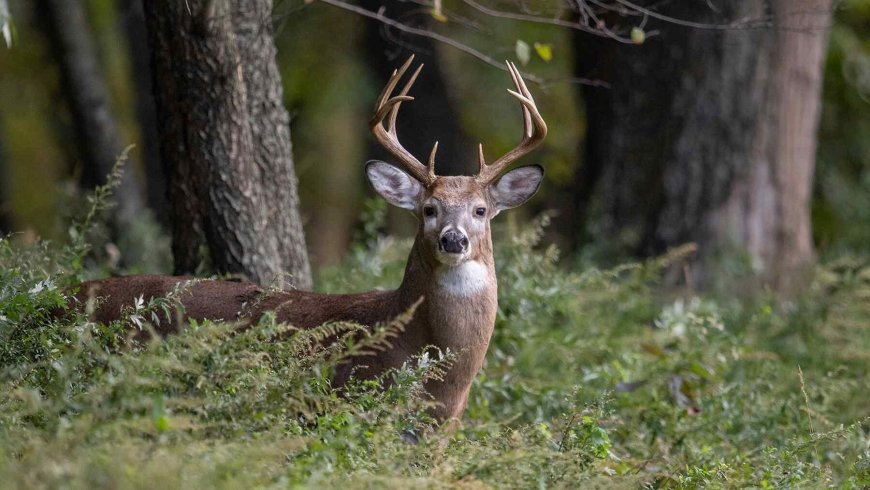
An extremely rare “vampire deer” has reemerged following decades of being hidden.
In the current state of the environment, we are finding that certain species are making a comeback into public attention. However, the reemergence of a specific deer may point to a worrying state of affairs as conservationists raise alarm bells regarding the future of this deer with fangs.
What are the warning signs that have become clear as this species returns?
How conservation programs have saved some species from extinction
Through decades of effort, we have developed a blueprint of how to effectively save animal species that are at risk.
The Florida Panther has reemerged from the brink of extinction over the last thirty years. In 1990, roughly 20 panthers were left, but over the next three decades, conservation efforts and the introduction of eight female cougars in Texas have brought the number back to around 200.
One of the largest land birds in the world has also been saved through extensive conservation efforts.
The Condor is an amazing species of bird, and by 1987, there were only about 27 Condors left in the world. All of them were captured as part of a high-stakes breeding program, and today, the number of Condors has returned to more than 500 around the world.
The world has come to understand the importance of the conservation of animal life
Conservation has shifted from a small group of concerned citizens to a global effort to save animal life from the human-led destruction of the planet.
Some species have been rediscovered in recent years, proving that, given enough time, animal life can repopulate. Such as the rediscovery of the world’s smallest snake in an iconic part of the world.
By studying animal migration patterns, we can predict where and when certain species may reach parts of the world.
However, as some species reemerge and make their way around the planet, they bring with them risks of potential disease. Such as a “vampire bat” that has been moving northwards from Mexico, carrying with it a serious health risk for local livestock farmers.
Over the past 70 years, conservation efforts have increased as habitat degradation and human progression have ravaged some animal species.
The Wild Musk Deer, sometimes referred to as the “vampire” deer, has been one of many species that have faced serious peril as the destruction of their habitat reaches unprecedented levels.
A study, “Conservation Status, Decline Factors, and Strategies for Globally Endangered Musk Deer (Moschus spp.) in China,” published in Research Gate, has detailed the perilous situation for the vampire deer.
Vampire deer are clinging on for deer life around the world
China is the global center for the Musk deer, hosting six out of seven of the world’s musk deer species.
Musk deer are iconic due to their “fangs”, which are elongated upper canine teeth. Since the 1950s, the musk deer population in China has faced significant peril from human-led devastation of their natural habitat in the wild.
Wildfires have become a major issue for several species as they become an all too common occurrence around the world.
Recent studies have shown a 97% decline in China’s wild musk deer population over the last 70 years, driven mostly by illegal hunting and severe habitat destruction. The deer’s musk has extreme value on the black market, reaching $45,000/kg in recent years.

The solution? Captive breeding programs. But even these have faced issues as of late.
High mortality rates among captive breeding programs have raised concerns over the future of this iconic species of deer. Cross-border conservation could be the only mechanism to save them as their population numbers continue to decline.
Similar programs have saved other species around the world in recent years, so here’s hoping that the Musk deer can be saved from extinction.
What's Your Reaction?
 Like
0
Like
0
 Dislike
0
Dislike
0
 Love
0
Love
0
 Funny
0
Funny
0
 Angry
0
Angry
0
 Sad
0
Sad
0
 Wow
0
Wow
0