





























A Rare Meteor Shower Is About To Light Up The Sky This April: Here’s When You Can Watch!

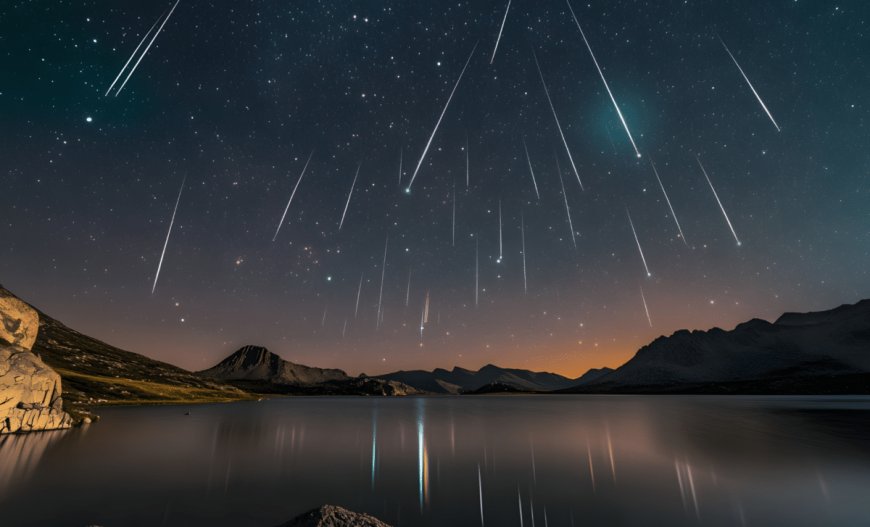
A fast-moving stream of ancient cosmic debris is about to streak across Earth’s skies, as the Lyrid meteor shower approaches its annual peak, with observations highlighted by the American Meteor Society. Known for its sudden bursts of bright meteors and long history, this celestial event offers skywatchers a rare opportunity to witness fragments of a distant comet burning up in the atmosphere. With anticipation building, observers are preparing for one of the most anticipated night-sky events of the season.
An Ancient Meteor Shower With A Long History
The Lyrids trace their origins back more than 2,600 years, making them one of the oldest recorded meteor showers. They are produced by debris from Comet C/1861 G1 Thatcher, a long-period comet that takes more than four centuries to orbit the Sun. Each year, Earth crosses this trail of particles, causing tiny fragments to ignite in the atmosphere at high speed.
What makes the Lyrids especially intriguing is their variability. While they typically produce a modest number of meteors, historical records show occasional surges in activity. These unpredictable bursts have kept astronomers engaged for generations, as they reveal how unevenly cometary debris can spread through space over time.

Image via NASA/ MSFC/ Danielle Moser.
Key Dates To Watch This April
The Lyrid meteor shower follows a well-defined schedule each year. In 2026, it is active from April 15 through April 29, with peak activity expected during the night of April 21 into April 22. This short window represents the moment when Earth passes through the densest part of the debris stream, significantly increasing meteor visibility.
Because activity rises sharply around the peak and drops off quickly, timing is critical. Observers who plan around these dates will have the best chance of witnessing the shower at its most active, while those who miss the window may see only limited activity.
What To Expect In The Night Sky
According to observations compiled by the American Meteor Society, the Lyrids typically produce around 10 to 20 meteors per hour under dark sky conditions. These meteors are known for their brightness and speed, often leaving behind glowing trails that linger briefly after the initial flash.
Occasionally, the Lyrids produce fireballs, which are significantly brighter and can momentarily dominate the night sky. The best viewing conditions occur after midnight, when the Lyra constellation rises higher, placing the radiant in a more favorable position for observers.
Even in years with average activity, the Lyrids can deliver memorable moments, especially under clear, dark skies far from city lights.

Credit: NASA/JSC/D. Pettit
Enjoyed this article? Subscribe to our free newsletter for engaging stories, exclusive content, and the latest news.
What's Your Reaction?
 Like
0
Like
0
 Dislike
0
Dislike
0
 Love
0
Love
0
 Funny
0
Funny
0
 Angry
0
Angry
0
 Sad
0
Sad
0
 Wow
0
Wow
0