


























A New UN Report Finds That Earth Has Reached “Water Bankruptcy,” With No Way Back

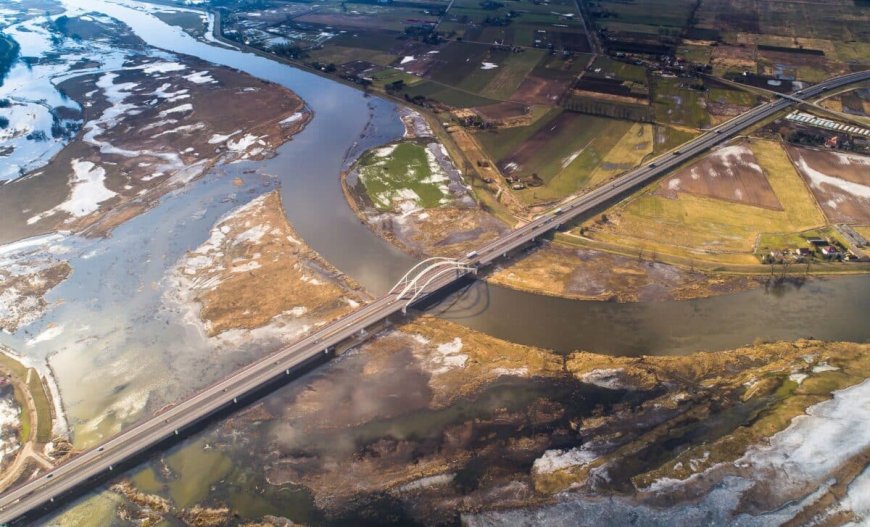
A United Nations report found that the world is using more freshwater than it can replace. Researchers describe this as “water bankruptcy,” with surface supplies no longer meeting demand in many regions.
The United Nations University Institute for Water, Environment and Health noted that countries are increasingly relying on groundwater reserves that take much longer to replenish. This shift is already affecting large parts of the global population.
The report stated that about four billion people face scarcity at least one month each year. It also found that three out of four people live in countries dealing with shortages, pollution, or drought.
Global Reserves Are Steadily Declining
The report explained the situation using a simple comparison. According to Kaveh Madani, rivers and rainfall act like a “checking account,” while groundwater and glaciers are more like long-term reserves. Both are being used faster than they can recover. It estimates that around 70 percent of major aquifers are declining. Some of these losses may not be reversible.

There are already visible effects. In Turkey, groundwater pumping has been linked to nearly 700 sinkholes. In China, desertification near Beijing has contributed to dust storms that have caused deaths. The report pointed to expanding agriculture in dry areas and rising temperatures as common drivers.
Water Shortages Hit Societies
As Madani noted, when it becomes less available, it can affect jobs and daily life, particularly in agriculture. He also questions how the situation is framed:
“If you keep calling this situation a crisis, you’re implying that it’s temporary. It’s a shock. We can mitigate it”.
Iran is one example: the country experienced its driest autumn in 50 years, while dam construction and groundwater extraction have reduced its levels in Lake Urmia. These pressures have contributed to social unrest. It also noted that authorities have discussed relocating parts of Tehran and have tried cloud seeding to increase rainfall.
Cutting Water Use Is Not Straightforward
The report said that reducing the ressource use in agriculture is necessary but complicated because many livelihoods depend on it. As explained by Bradley Udall of Colorado State University, more efficient irrigation does not always reduce total use. Systems like drip irrigation can limit runoff, which means less water returns to rivers.

The Colorado River shows how this plays out. Its flow has dropped by about 20 percent over two decades, and its main reservoirs are around 30 percent full. Based on Udall, levels could fall low enough to stop the resources from flowing through dams if they reach about 10 to 15 percent.
The report makes clear that without reliable data, effective policy remains out of reach. Madani added that many countries still fail to properly track how much water they consume. He also said that many countries still fail to properly track how much hydrological resources they consume.
“By acknowledging the reality of water bankruptcy, we can finally make the hard choices that will protect people, economies, and ecosystems. The longer we delay, the deeper the deficit grows,” he concluded.
Enjoyed this article? Subscribe to our free newsletter for engaging stories, exclusive content, and the latest news.
What's Your Reaction?
 Like
0
Like
0
 Dislike
0
Dislike
0
 Love
0
Love
0
 Funny
0
Funny
0
 Angry
0
Angry
0
 Sad
0
Sad
0
 Wow
0
Wow
0