


























1,000-Year-Old Huge Petroglyphs, Hidden for Years, Resurface on a Hawaiian Beach Again

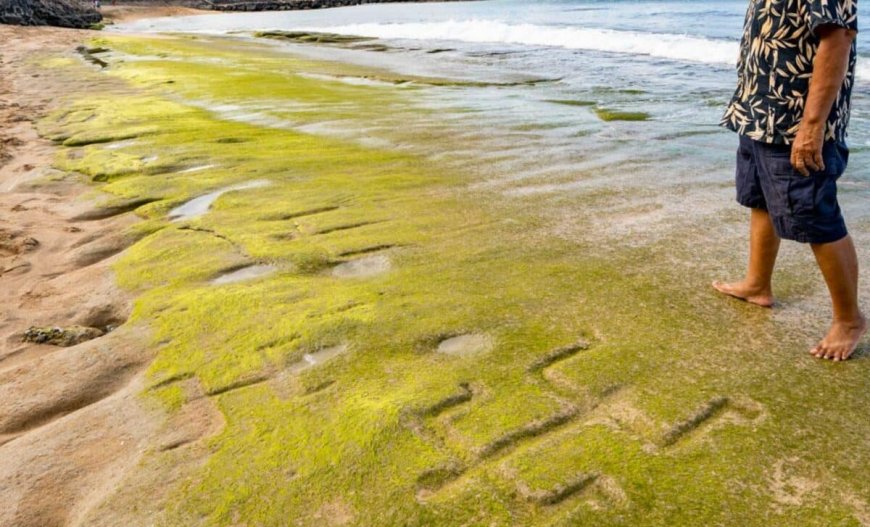
A massive petroglyphs, hidden for years beneath the shifting sands of Pōkaʻī Bay, were revealed once again. These ancient carvings, believed to be over 1,000 years old. The discovery, which took place along the Waianae Coast, has left residents and cultural experts both astounded and reflective of their deeper significance.
Pōkaʻī Bay, a historic site located on the Waianae Coast of Hawaii, is home to these long-buried petroglyphs, or kiʻi pōhaku. The carvings were first discovered in 2016 but have remained largely covered until recent natural shifts in the coastline exposed them once again. According to local resident Nani Peterson, these petroglyphs are more than just images on rock; they are direct links to the island’s ancestors, or kupuna.
Unveiling the Ancient Art of Petroglyphs
Petroglyphs, or rock carvings made through methods like engraving or abrasion, are often seen as a key to understanding the ancient cultures that produced them. The kiʻi pōhaku at Pōkaʻī Bay are believed to have been created by the early Hawaiian people, possibly more than 1,000 years ago.
“Although the true meanings of the petroglyphs are unknown, it is generally thought these carvings are records of births and other significant events in the lives of the people who lived here long ago,” explained the official tourism website for the Hawaiian Islands.
And according to media outlet report such as Fox10tv, the carvings likely depict scenes related to agriculture, a significant part of Hawaiian life. One of the most notable petroglyphs shows a larger figure with a smaller one above it, which is thought to represent a parent and child.
Though these petroglyphs have been hidden for years, the recent natural occurrence of shifting sands has brought them back into view. According to Nathan Wilkes from the U.S. Army Garrison Hawaii, the wave action along the shore moved the sand and sediment off the cravings, revealing a stunning collection of artwork etched into the beach rock. However, the total number of petroglyphs is still unclear, and experts believe that more carvings could be hiding beneath the sand and algae.

Preserving Ancient Art for Future Generations
The U.S. Army, which oversees the Pililaʻau Army Recreation Center, has a cultural resources team dedicated to safeguarding these important artifacts. These experts catalog and monitor the carvings to ensure their protection from environmental damage and human interference.
As stated by the same source, a report by the Army revealed 26 petroglyphs, covering an area of about 131 feet of beach, though the full scope of the carvings may still be unknown.
The importance of preserving these ancient engravings is underscored by local residents, who see the carvings as a tangible connection to their ancestors. Nohea Stevens, a Waianae Coast resident, said that the petroglyphs likely tell the moʻolelo, or story, of the place. He also added that:
“You just never expect anything like that to be discovered, especially in our shoreline. I didn’t even know that was possible.”
For many residents, these symbols are not just historical artifacts but a living heritage. Visitors to the site can view the petroglyphs, but must have a military ID to park at the recreation center due to its location on military land.
Enjoyed this article? Subscribe to our free newsletter for engaging stories, exclusive content, and the latest news.
What's Your Reaction?
 Like
0
Like
0
 Dislike
0
Dislike
0
 Love
0
Love
0
 Funny
0
Funny
0
 Angry
0
Angry
0
 Sad
0
Sad
0
 Wow
0
Wow
0