



























U.S. Navy Deploys Nuclear-Powered Aircraft Carrier “USS Nimitz” to South America for One Last Mission Before Retirement

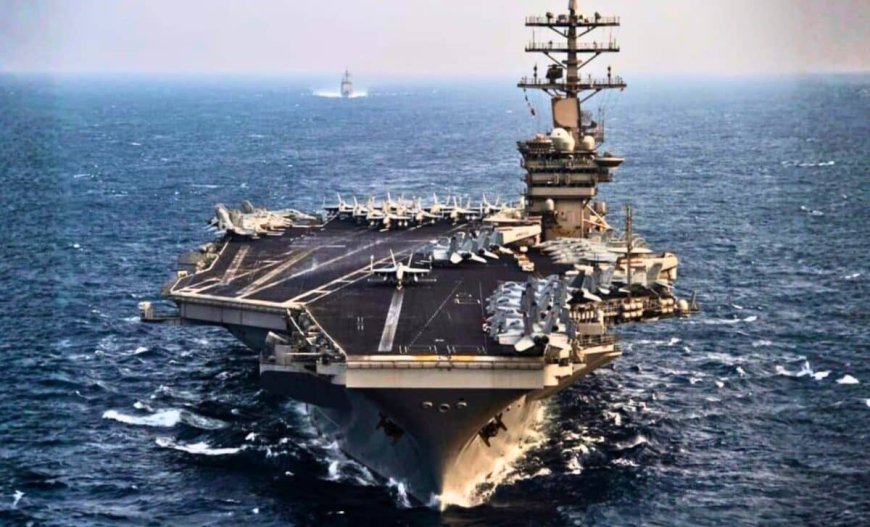
The USS Nimitz, the U.S. Navy’s oldest active aircraft carrier, has departed Naval Base Kitsap-Bremerton in Washington State for a final deployment that will take the nuclear-powered warship around South America. The 97,000-ton vessel is making the transit to reach the East Coast, where it will begin the multi-year process of decommissioning after nearly five decades of service. Naval planners have prepared the carrier for a voyage spanning thousands of miles before it reaches the Atlantic Ocean.
Commissioned in 1975, the lead ship of the Nimitz class cannot use the Panama Canal because its dimensions exceed the canal’s lock capabilities. The strike group must instead sail around Cape Horn at the southern tip of South America, adding considerable distance to the journey. This geographic necessity also creates opportunities for naval engagement with regional partners along the coastline.

The route shifts the carrier away from traditional Pacific operating areas toward waters under U.S. Southern Command. According to Zona Militar, a Spanish defense publication, the deployment marks the third consecutive year of major U.S. carrier presence in the region. Officials have begun coordinating potential exercises with regional navies as the strike group transits South American waters.
A Strike Group Configured for the Long Transit
The Nimitz serves as the flagship of Carrier Strike Group 11, which includes several guided-missile destroyers responsible for missile defense, escort duties, and anti-submarine patrols. These surface combatants create a protective perimeter around the carrier during flight operations. Together they enable the carrier to conduct air missions safely while navigating challenging maritime environments.
Air operations are conducted by Carrier Air Wing 17, which typically deploys more than 60 aircraft including F/A-18 Super Hornet strike fighters and E-2D Advanced Hawkeye surveillance planes. These platforms extend reconnaissance and defensive coverage hundreds of miles beyond the carrier itself. Before departure, the ship completed training off California while crews finished maintenance inspections on propulsion systems, radar equipment, and flight deck infrastructure.

The Indian Defence Review reported the carrier spent months moored at Bremerton completing a scheduled maintenance cycle in 2024. Sailors and technicians also tested communications equipment and aircraft support facilities to ensure reliability during this final period of operational service.
Exercises Expected Along the South American Coast
Naval analysts anticipate the carrier’s route will include cooperative activities with regional fleets, including potential participation in UNITAS, the longest-running multinational naval exercise in the world. These drills bring together ships and aircraft from across the Americas to practice coordinated operations involving electronic warfare, anti-submarine patrols, and search-and-rescue missions.
Similar engagements occurred during previous deployments known as Southern Seas missions. During those transits, officers from partner nations were invited aboard to observe flight deck operations and command procedures. While specific details about planned exercises remain unconfirmed, training typically tests interoperability between U.S. naval forces and regional navies.

The presence of a nuclear-powered carrier offers a visible demonstration of maritime partnership. Previous Southern Seas deployments have included port visits and passing exercises with multiple South American countries. The voyage provides a final opportunity for regional engagement before the ship concludes its operational career.
Logistics for a Nuclear-Powered Journey
The carrier is propelled by two A4W nuclear reactors, enabling extended operation without refueling. However, the strike group still requires regular deliveries of aviation fuel, spare parts, and food supplies. Ships operated by the Military Sealift Command perform replenishment-at-sea operations, sailing alongside the carrier while transferring cargo through suspended hoses and cables.

Several such replenishments are expected during the transit around Cape Horn, a region known for strong winds and heavy seas. While navigation systems help crews track weather conditions, the area demands careful route planning. The detour around South America increases the number of supply operations needed to sustain the strike group throughout the voyage.
The Path to Decommissioning
After completing the voyage, the Nimitz will arrive at Naval Station Norfolk, Virginia, to begin deactivation procedures. Decommissioning a nuclear-powered carrier requires years of technical work, beginning with removal of nuclear fuel from the ship’s reactors before dismantling combat systems and electronic equipment.
Funding allocated by the Department of Defense for fiscal year 2026 supports initial retirement stages. The ship’s departure makes way for the Gerald R. Ford-class carrier fleet, which introduces electromagnetic launch systems, redesigned flight decks, and improved power generation capabilities.

Until deactivation begins, the Nimitz remains operational as it completes a service history that started with commissioning in 1975. Its final voyage around South America serves as both a practical transit and a concluding mission for a warship that has defined American naval power for half a century.
Enjoyed this article? Subscribe to our free newsletter for engaging stories, exclusive content, and the latest news.
What's Your Reaction?
 Like
0
Like
0
 Dislike
0
Dislike
0
 Love
0
Love
0
 Funny
0
Funny
0
 Angry
0
Angry
0
 Sad
0
Sad
0
 Wow
0
Wow
0