



























The World’s Largest Wind Farm Built to Power 3.3 Million Homes Just Flipped a Major Switch

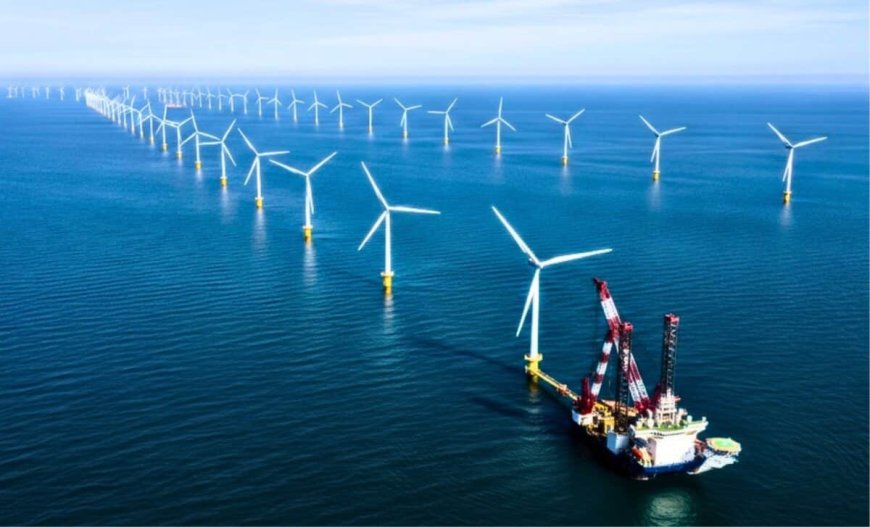
The world’s largest offshore wind farm has reached a concrete construction milestone. On March 26, Ørsted successfully pulled the first export cable for Hornsea 3 from the North Sea seabed onto the UK coast, establishing the farm’s initial physical connection to the national grid. The 2.9-gigawatt project is designed to supply electricity to more than 3.3 million British homes and is expected to be operational by the end of 2027.
The cable connection is part of a much larger installation effort. Jan De Nul Group, the Belgian marine contractor handling the work, will transport and lay a total of 680 kilometres of export cable before the end of 2026. NKT, the project’s cable supplier, began manufacturing the cables three years ago and is set to complete production this summer.
What the Export Cable Actually Does
The export cable is not a single line but a bundled assembly combining two high-voltage direct current cables with a fiber optic cable that relays operational data back to the wind farm’s control centre. Bundling them together during installation reduces the number of separate laying operations and helps protect each component throughout the process.
Once Hornsea 3 is generating power, the offshore cable will carry electricity from the turbines to the coastline, transferring to an onshore cable that runs more than 50 kilometres underground to a converter station at Swardeston, Norfolk. That is where the direct current is transformed for entry into the UK grid. The underground onshore route also reduces surface disruption across the Norfolk countryside.
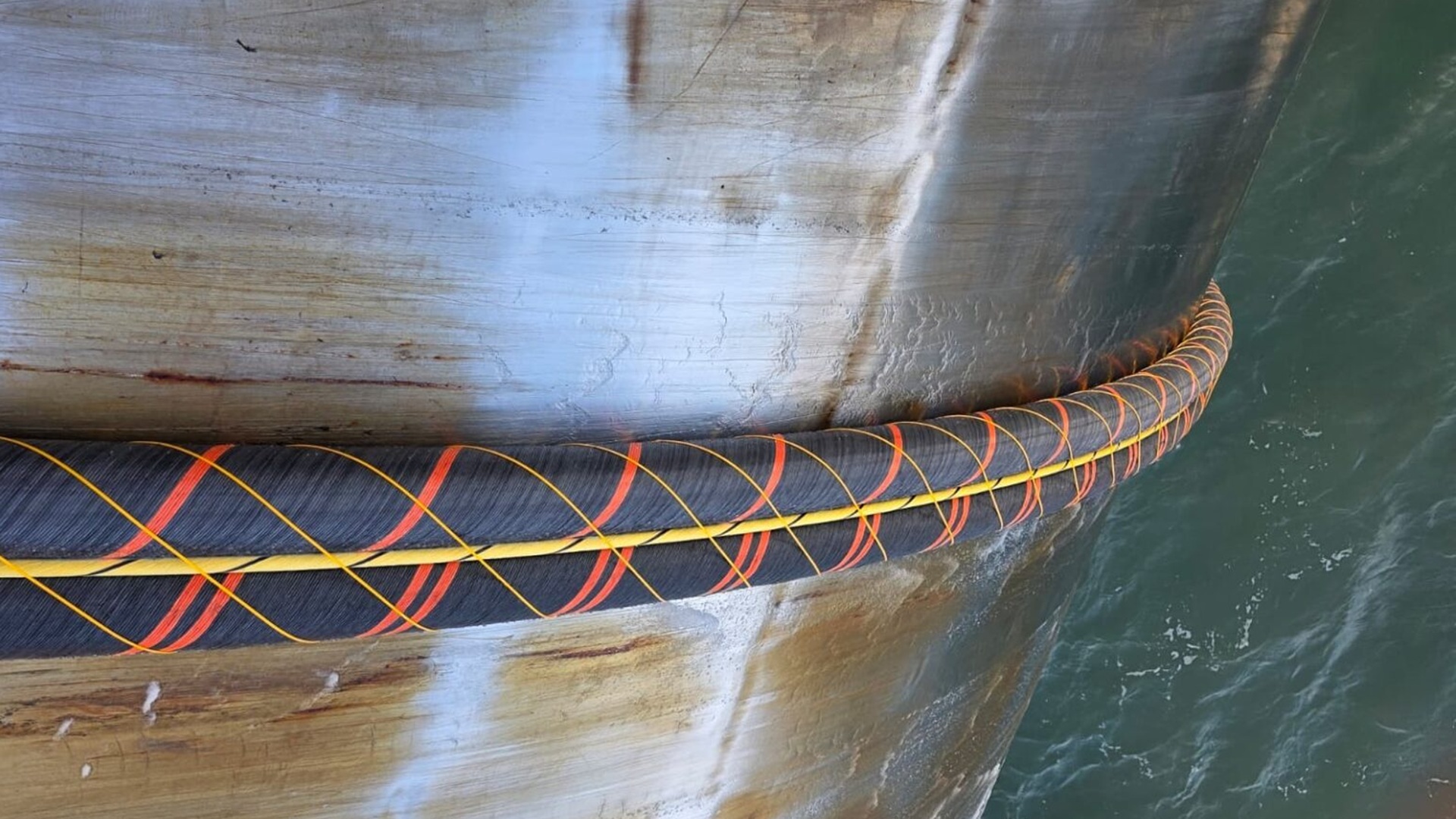
According to Offshore Wind Biz, NKT will finish cable production this summer to keep supply in line with Jan De Nul’s installation schedule, which runs through the end of 2026. The tight sequencing between manufacturing and marine installation is one of the more demanding logistical challenges on a project where delays in any single component ripple across the entire timeline.
A Converter Station Assembled Across Continents
Two offshore converter stations are being installed at the Hornsea 3 site. The jacket structure supporting the first was shipped from the Dutch port of Vlissingen, standing 54 metres tall and weighing approximately 3,500 tonnes, engineered to withstand sustained open North Sea conditions.
The upper section of the same station took a different route entirely, covering more than 13,000 nautical miles from Thailand to Norway before being prepared and dispatched to the installation point. That single component alone crossed more ocean than most vessels do in a year, illustrating the genuinely global manufacturing base behind large offshore energy projects.
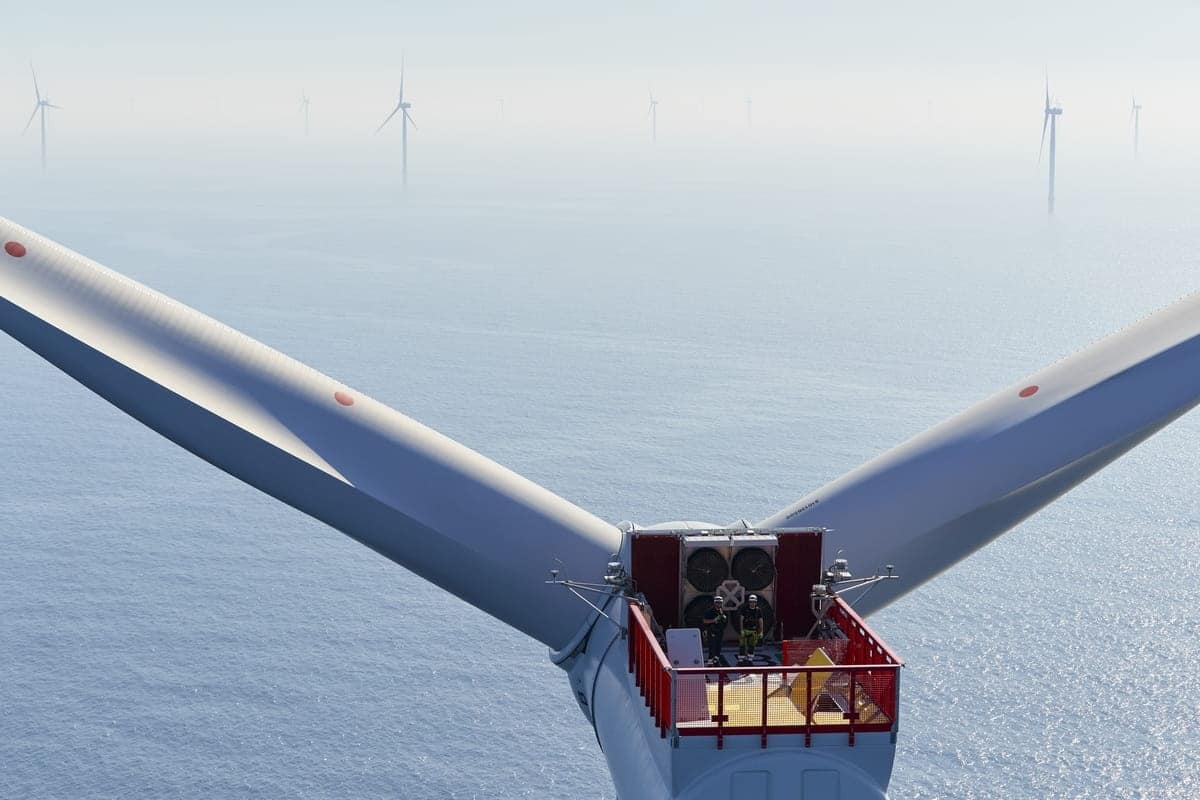
Heerema’s crane vessel Sleipnir installed the first jacket foundation at the site, while Hitachi Energy and Aibel are contributing specialist capability in high-voltage electrical equipment and offshore engineering. A first complete offshore substation was reported standing by the end of March 2026.
Turbines, Ownership, and the Supply Chain
Hornsea 3’s turbines are Siemens Gamesa’s 14-megawatt model, among the most powerful commercial offshore turbines available. Monopiles for the foundations have arrived from both Spain and China, with foundation installation now approaching as the construction programme moves into its next phase.
The project is jointly owned by Ørsted and funds managed by Apollo, following a late 2025 transaction in which Ørsted sold a 50 percent stake for approximately 5.2 billion euros. Total project value is estimated at £8.5 billion, placing it among the largest individual energy infrastructure investments currently underway in the UK. Apollo’s entry brought substantial capital at a point when major offshore construction costs were accelerating.

The farm sits approximately 120 kilometres off the Yorkshire coast, far enough offshore to access stronger and more consistent wind resources. Construction entered its development and consent phases as far back as 2018, meaning the project has been in preparation for nearly a decade before its first cable reached dry land.
How Hornsea 3 Compares to Its Predecessors
Hornsea 3 is the third large-scale project Ørsted has developed in the North Sea’s Hornsea zone. Hornsea 1 reached 1.2 gigawatts and Hornsea 2 reached 1.3 gigawatts, meaning the third project exceeds both combined. That growth within a single zone over roughly a decade reflects how quickly the economics and engineering of fixed-bottom offshore wind have scaled.
Duncan Clark, Head of Ørsted UK and Ireland, said Hornsea 3 “will be a cornerstone in achieving the UK government’s climate and clean energy targets while increasing energy independence and creating local jobs.” He also noted it “will make a significant contribution towards the UK Government’s ambitious target of 50 GW of offshore wind by 2030 and net-zero by 2050.” The UK currently operates around 15 gigawatts of offshore wind capacity, leaving a substantial gap that projects of this scale are intended to fill.
Ørsted manages more than 18 gigawatts of installed renewable capacity globally across Europe, North America, and Asia Pacific, with the Hornsea zone remaining central to its UK strategy.
Jobs, Base of Operations, and Timeline
The project is expected to generate up to 5,000 construction jobs and around 1,200 permanent roles once operational. Hornsea 3 will be managed from Grimsby, a Humber Estuary town that has built up considerable infrastructure around North Sea wind operations over the past decade.
With the first cable ashore and the first substation standing, attention now moves to foundation installation, followed by turbine deployment once sufficient foundations are in place. According to Interesting Engineering, the remaining cable sections will be completed by NKT this summer, keeping the supply programme on track. Hornsea 3 is scheduled to reach operational status around the end of 2027.
Enjoyed this article? Subscribe to our free newsletter for engaging stories, exclusive content, and the latest news.
What's Your Reaction?
 Like
0
Like
0
 Dislike
0
Dislike
0
 Love
0
Love
0
 Funny
0
Funny
0
 Angry
0
Angry
0
 Sad
0
Sad
0
 Wow
0
Wow
0