





























Psychology Says People Who Clean as They Cook Display These 8 Superior Personality Traits

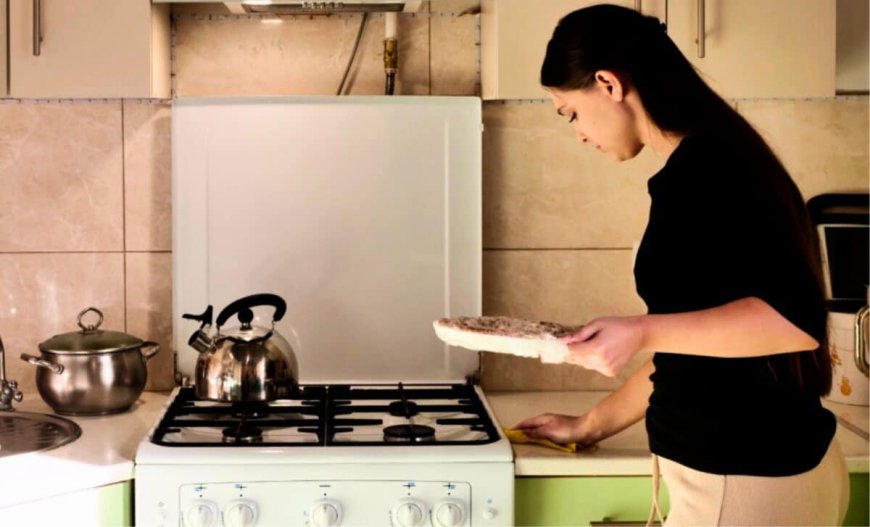
The evening meal is nearly finished, but the workspace tells a different story for two different types of people. In one home, the countertops are covered in flour, discarded vegetable peels, and multiple stainless-steel pots. In another, the cook is already drying the final mixing bowl while the oven timer counts down. This second behavior, often called the clean as you cook method, is more than a simple preference for tidiness.
Psychological observations suggest that the way a person manages a workspace during a task provides a direct window into their cognitive processing. These small, repetitive actions in the kitchen are not accidental. They represent a specific approach to executive function and environmental control that remains consistent across many areas of life.
Researchers have spent decades studying how individuals interact with their immediate physical surroundings to manage stress and efficiency. By looking at the timing of these chores, experts can identify patterns in how a person handles complex, multistep projects. These observations often point toward a specific set of psychological characteristics that define the clean as you cook individual.
The Role of Proactive Management
Dr. Nicole Mead of the University of Melbourne has researched how environmental order influences human behavior and decision-making. People who maintain a tidy kitchen while preparing food often demonstrate high levels of conscientiousness, one of the five major personality traits. This trait involves a natural tendency to be organized, dependable, and disciplined rather than spontaneous or messy.

Maintaining a clean environment while working requires a person to look ahead at the next step of a process. This habit shows that the individual is engaged in proactive coping, a psychological strategy where a person anticipates potential stressors and acts to prevent them. According to findings in Personality and Social Psychology Bulletin, by washing a knife immediately after use, the cook ensures that the final cleanup does not become an overwhelming task at the end of the night.
This behavior is frequently linked to a strong sense of internal locus of control. Individuals with this mindset believe that their own actions directly determine their experiences. In the kitchen, this translates to a refusal to let the mess accumulate. They see the state of the room as a direct reflection of their own management skills and take immediate steps to keep it under control.
Cognitive Load and Decision-Making
A study published in the journal Psychological Science by researchers at the University of Minnesota found that orderly environments encourage people to follow social norms and make healthy choices. When a person practices the clean as you cook habit, they are effectively managing their cognitive load. A cluttered workspace forces the brain to process excess visual information, which can lead to fatigue during complex tasks.
Dr. Kathleen Vohs, a lead researcher in the study, noted that clean settings tend to promote conventionality and task persistence. The act of cleaning while working serves as a “mental reset” for the individual. It allows them to focus entirely on the recipe without the distraction of a crowded counter. This suggests a high degree of mindfulness, where the person remains fully present and aware of their physical movements, a concept explored in Springer’s Mindfulness journal.
People who clean as they go also tend to score high in need for closure. This is a psychological desire for a definite answer on any given topic and a dislike of ambiguity or unfinished tasks. For these individuals, leaving a pile of dishes is not just a chore; it is an unresolved situation that creates mental tension. Completing the cleanup in real-time provides a continuous sense of accomplishment throughout the cooking process.
1. High Conscientiousness
As the most prominent trait among those who clean as you cook, it dictates a person’s level of self-discipline. For these individuals, the “work” of making a meal includes the maintenance of the workspace. They do not see the cooking and the cleaning as two separate events, but as a single, integrated process that requires order to be successful.
2. Utilization of Proactive Coping
The habit of cleaning as the meal progresses is a physical manifestation of forward-thinking behavior. By neutralizing a mess while it is still small, the individual prevents the “cleanup” phase from becoming an overwhelming hurdle. This trait is often seen in high-achieving professionals who tackle small administrative tasks immediately rather than letting them pile up.
3. Internal Locus of Control
Those with this mindset view a messy kitchen as a problem that they have the immediate power to solve. They do not feel victimized by the chaos of a complicated holiday meal. Instead, they exert influence over their surroundings, ensuring that the environment remains conducive to their goals. This sense of agency is a key marker of psychological resilience.
4. Sharp Reduction in Procrastination
The clean as you cook habit is a direct indicator of low procrastination. These individuals do not wait for the “right mood” to start tidying. They tackle the least enjoyable parts of the process, the scrubbing of pots and the wiping of grease, immediately. This refusal to delay unpleasant tasks ensures that their mental energy is preserved for more important decisions.
5. Strong Future Orientation
This kitchen habit is a primary indicator of future orientation, a cognitive bias toward thinking about the consequences of current actions on the future self. A person with this trait prioritizes the comfort of their “future self” over the temporary convenience of leaving a mess. They understand that the enjoyment of the meal will be far greater if no work awaits them afterward.
6. Practice of Acute Mindfulness
Maintaining an orderly kitchen requires a high level of situational awareness. Researchers have found that individuals who clean as they go are more likely to be present in the moment. They notice the small details, a spill on the floor, a misplaced lid, and address them instantly. This prevents the sensory overload that often leads to frustration during complex tasks.
7. Heightened Need for Closure
This drive encourages a person to finish tasks as quickly as possible. For the clean as you cook practitioner, a dirty mixing bowl is an unfinished task that consumes “background” processing power in the brain. By washing it and putting it away, they close that mental file, allowing them to move to the next step of the recipe with a clear mind.
8. Superior Self-Regulation Skills
The ability to manage one’s energy states and emotions is known as self-regulation. By not allowing the kitchen to fall into chaos, the individual keeps their stress levels low. This level of self-control is a consistent predictor of success in both personal health goals and professional environments, as discussed in the Annual Review of Psychology.
Dr. Barbara Fredrickson has explored how small positive actions, such as maintaining order, build lasting stability. The clean as you cook method provides frequent “micro-wins” that keep the cook’s mood stable and their confidence high throughout the process. Research in the Annual Review of Psychology suggests that these positive emotional states broaden a person’s cognitive repertoire.
Ultimately, the way we handle a sink full of dishes reflects how we handle the complexities of life. Dr. E.J. Masicampo of Wake Forest University found that simply making a plan to complete a task can reduce cognitive interference. For those who clean as you cook, the plan is already in motion, ensuring that the transition from labor to leisure is seamless.
Enjoyed this article? Subscribe to our free newsletter for engaging stories, exclusive content, and the latest news.
What's Your Reaction?
 Like
0
Like
0
 Dislike
0
Dislike
0
 Love
0
Love
0
 Funny
0
Funny
0
 Angry
0
Angry
0
 Sad
0
Sad
0
 Wow
0
Wow
0