





























Engineers Create a Cylinder Filled With Steel Balls That Can Absorb Earthquake Vibrations in Buildings at a Much Lower Cost

A newly patented mechanical device may offer a simpler way to reduce the impact of earthquakes on buildings. Developed by civil engineering researcher Moussa Leblouba at the University of Sharjah, the system relies on a surprisingly simple mechanical principle to dissipate vibration energy.
Earthquakes place enormous stress on buildings, bridges, and other critical infrastructure. Even moderate ground motion can generate vibrations strong enough to damage structural components or sensitive equipment. Engineers therefore rely on damping systems designed to reduce these oscillations before they spread through an entire structure.
Yet many of these technologies remain costly, complex, or vulnerable to failure during extreme conditions. Researchers have long searched for alternatives that are both reliable and easier to deploy.
A Mechanical Design Based on Friction
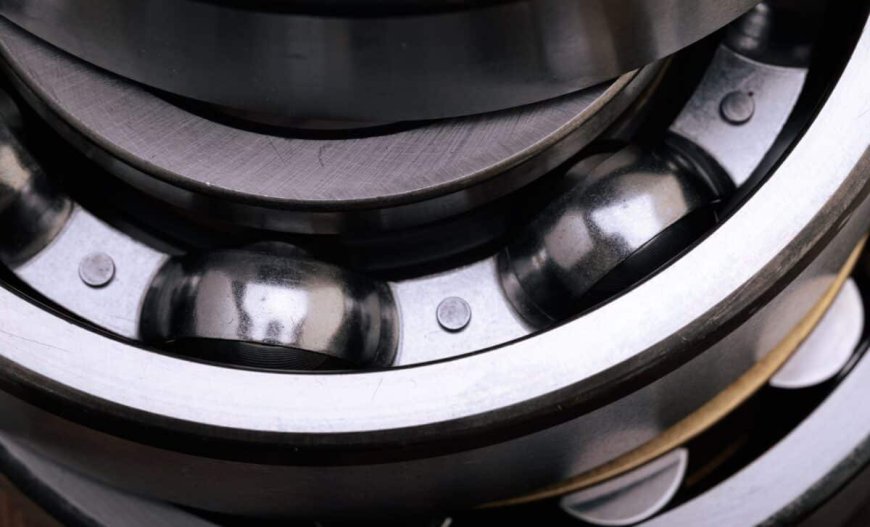
The newly patented system relies on a relatively simple configuration. According to a press release published in EurekAlert!, the device consists of a hollow cylinder packed with solid steel balls and a central shaft equipped with radial rods that resemble small branches.
When an earthquake or strong vibration occurs, the movement of the structure forces the rods to shift through the dense cluster of steel balls. This interaction creates friction inside the cylinder. The friction dissipates part of the vibration energy, which reduces the force transferred to the surrounding structure.
Laboratory trials conducted during development showed that the mechanism was able to absorb around 14 percent of vibration energy, providing a measurable reduction in structural oscillations.

A Passive System That Does Not Rely on Electricity
One notable feature of the device is that it operates as a purely passive system. It requires neither electrical power nor an electronic control system.
This design choice makes particular sense during earthquakes, which are often accompanied by power outages. According to statements by Prof. Moussa Leblouba, the system remains operational even when electrical grids fail.
“Because it requires zero electrical power, it cannot be rendered inoperative by a power outage during the very disaster it’s designed to withstand. Every component is individually removable and replaceable, so if one part is damaged, you don’t need to discard the whole device,” he explained.
The internal components were also designed to be modular. Each part can be removed and replaced individually, which avoids having to replace the entire device if one element is damaged during a major event.

A Low-cost Structural Upgrade
Affordability and simplicity were key considerations in the development of the device. The system relies on relatively simple components that can be assembled directly on site, without the need for specialized technical expertise.
Such an approach could help broaden access to seismic protection, particularly in regions where large-scale structural retrofitting remains financially or technically challenging. The device can also be integrated into existing buildings. Although the technology was initially conceived for earthquake-resistant construction, its potential applications extend beyond this field.
“The next phase of research will focus on scaling the device for larger structural applications and testing it under realistic seismic loading conditions, including shake-table tests with small-scale structural models,” Prof. Leblouba said.
Enjoyed this article? Subscribe to our free newsletter for engaging stories, exclusive content, and the latest news.
What's Your Reaction?
 Like
0
Like
0
 Dislike
0
Dislike
0
 Love
0
Love
0
 Funny
0
Funny
0
 Angry
0
Angry
0
 Sad
0
Sad
0
 Wow
0
Wow
0