















Energy drinks, cigarettes, and Molotovs: Inside the lives of Palestinian teenagers in the West Bank

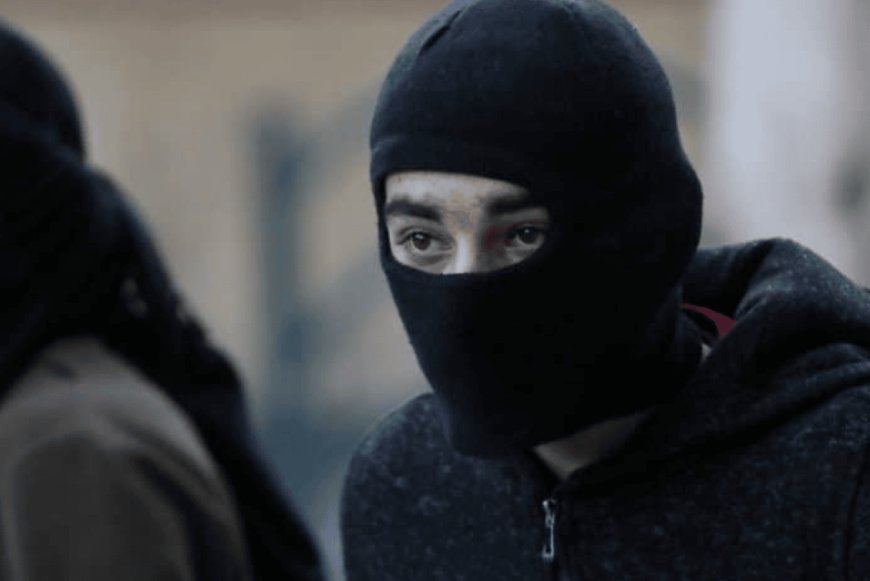
 Meet the generation of young West Bank Palestinians who came of age witnessing the Gaza genocide — as Israel killed their friends.
M. takes short, quick drags from a Winston Blue cigarette, chasing each pull with a sip from a can of XL Energy Drink. He’s sunk into one of the several sofas that make up the living room of his house. The television — stretching almost the entirety of the wall — plays a rotation of music videos of Palestinian rap anthems from his generation. M. recites the lyrics, his arm and head swinging at a slightly faster pace than the music calls for, as if locked in a battle with Shabjdeed and Daboor, as if each were trying to spit out the lines before the other.
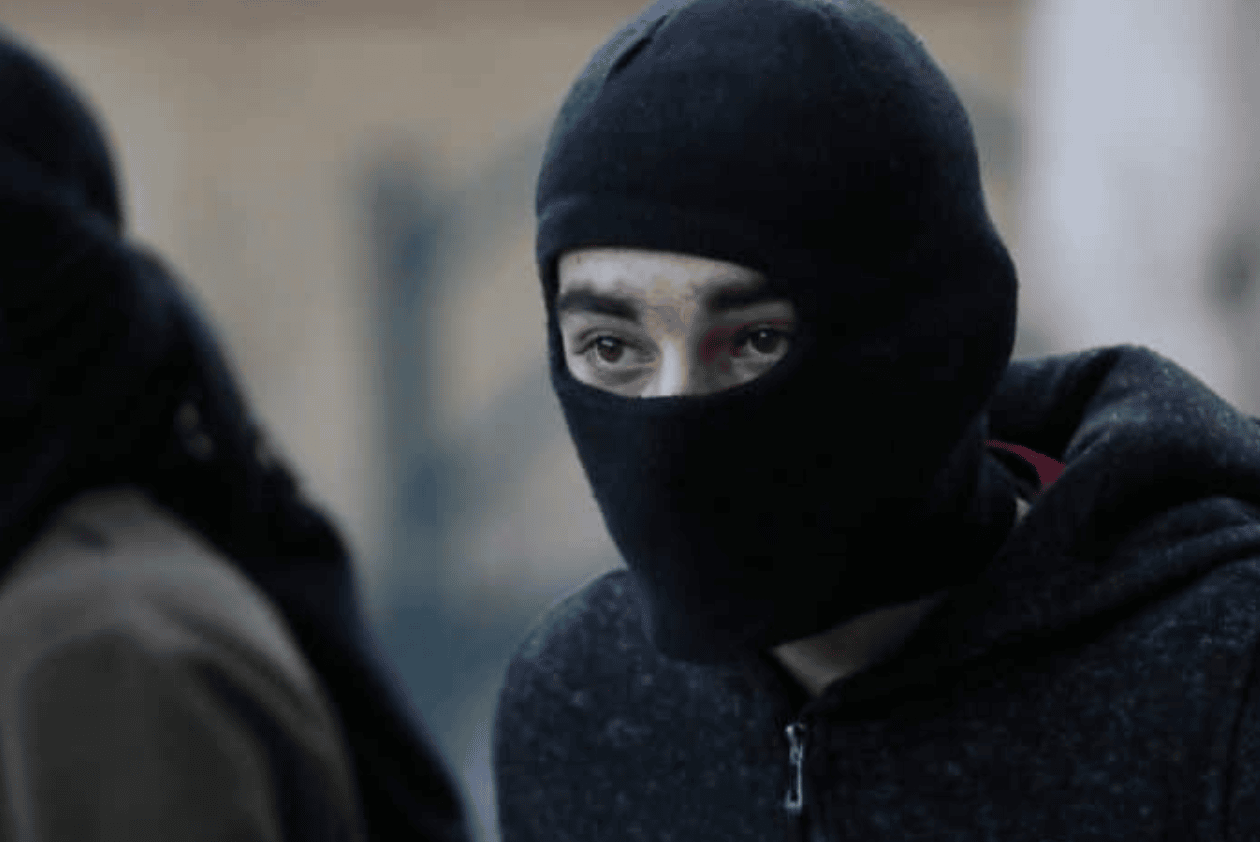
Meet the generation of young West Bank Palestinians who came of age witnessing the Gaza genocide — as Israel killed their friends.
M. takes short, quick drags from a Winston Blue cigarette, chasing each pull with a sip from a can of XL Energy Drink. He’s sunk into one of the several sofas that make up the living room of his house. The television — stretching almost the entirety of the wall — plays a rotation of music videos of Palestinian rap anthems from his generation. M. recites the lyrics, his arm and head swinging at a slightly faster pace than the music calls for, as if locked in a battle with Shabjdeed and Daboor, as if each were trying to spit out the lines before the other.
ماهو كله عارف، ماهو كله شايف Everyone knows, everyone sees ماهو كله خايف والدنيا ترص Everyone’s scared and the world’s a pressure cooker استجدع دايما وإوعك تبوحش But always be brave and never snitch انا ادرينالين فاقع بشباب بين ضرب الغاز I’m adrenaline, blowing up in the boys while they’re getting teargassed احنا الجدعان والي زينا قلال We’re the brave ones, and there are few like usThe music video for the song, “Inn Ann,” was filmed just around the corner in Bir Nabala, a few minutes’ walk from where we sit. On screen, a group of young men, almost all dressed in black and some with their faces covered, stare straight into the camera. Behind them looms the giant concrete apartheid wall that splits Jerusalem in two, severing it from Bir Nabala, Jedira, Jeeb, and so many other villages and towns.
مرحب فيك في ولاد القدس Welcome to the boys of Jerusalem بندبر حالنا نحل اللغز We’ll figure anything out رنات على نفحة وكله بخش Sending calls to Nafha [an Israeli prison], everyone’s onboard ولك شوفنا وياما وكله بصف We’ve seen it all and we’re still standing ولا مرة نخاف، ولا مرة ونص We’re never scared, not for a secondWe’re in October, 2025, just before the so-called “ceasefire” is announced. The escalation of the Zionist genocidal efforts in Gaza is still unfolding, as well as an unprecedented crackdown and arrest campaign in the West Bank, particularly in areas like these in northern Jerusalem. Until about 25 years ago, it was easy to reach the Old City of Jerusalem from here. Now, the passage is sealed. M., 15 years old, says he’s only managed to visit it because he jumped over the apartheid wall — more than fifteen times, he says — to see his friends and the al-Aqsa Mosque. No one knows exactly how many people have been killed jumping over the wall, but the stories abound. “Are you not afraid?” we ask. “Not really. Sometimes,” he says, in English. “Nuss nuss?” Arabic for “50-50.” “Nuss nuss,” he replies. And laughs. “Inn Ann” was released in late April 2021, just as a Palestinian uprising was beginning in Jerusalem, the so-called Unity Intifada. It erupted in response to escalating Zionist efforts to evict Palestinian families from the Sheikh Jarrah neighborhood, and as those families stood their ground, practicing sumud (steadfastness, or the refusal to abandon one’s land), Shabjdeed and Daboor asked: what if the time for revolt had finally come?
وإن أنّ قد آن أوانه And if the time has come […] الله بيشهد مين إحنا God knows who we are رجالة دم نطرطشلك We are the men who splash blood بوم، ضرب، حرب، الليلة ما بنغلب Boom, it’s war tonight, we won’t lose بدك جبال وعادي بنهدلك Want a mountain? No problem, we’ll knock it downThe song spread through the streets of Jerusalem and beyond, helping ignite a movement led by young people who claimed to be ready to confront the occupation head-on. These youth were defined by a word they had given themselves: “dôd.” M. stands up to explain what “dôd” means. He points to his tracksuit, black pants, black jacket. He points to his sneakers, also black. He points to his cap, black. He points to the XL drink and the cigarette in his hands. “This is dôd,” he says. The term comes from the appropriation of a Hebrew word meaning “uncle.” We tell M. we want to meet the rest of the crew, hear from other dôd about what it’s like to grow up in these villages. Seconds later, he picks up his phone and records a voice note: “Boys, come over to my place. We’re doing an interview.” Two hours later, M.’s courtyard fills up. About 10 boys, ages 14 to 19, crowd into the space, almost all dressed as if ready to shoot a music video with Shabjdeed and Daboor. Branded tracksuits, the occasional knockoff. They greet each other, some sit down in a circle, others stand — too charged with energy to sit still. They are teenagers, and act like other teenagers: playful slaps on the shoulder or neck, laughter, kicking the ball around, scrolling through TikTok videos. “It’s not just the clothing that makes a dôd a dôd,” says M. There are rules. “Rule number one: you can’t be afraid of anyone,” he explains. “Rule number two: you’ve got to have dôd friends. Rule number three: you have to do what’s in your head, regardless of what others say. Except God.”
“We are no better than the people of Gaza. We should live like them, or they should live like us. It shouldn’t be different.” a friend of M.
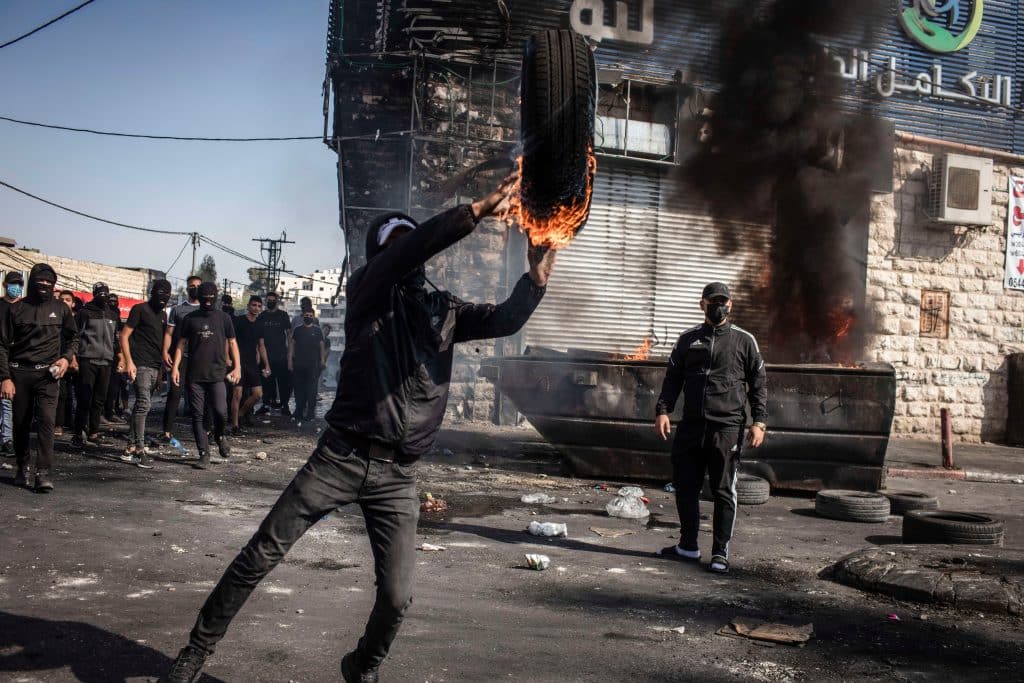
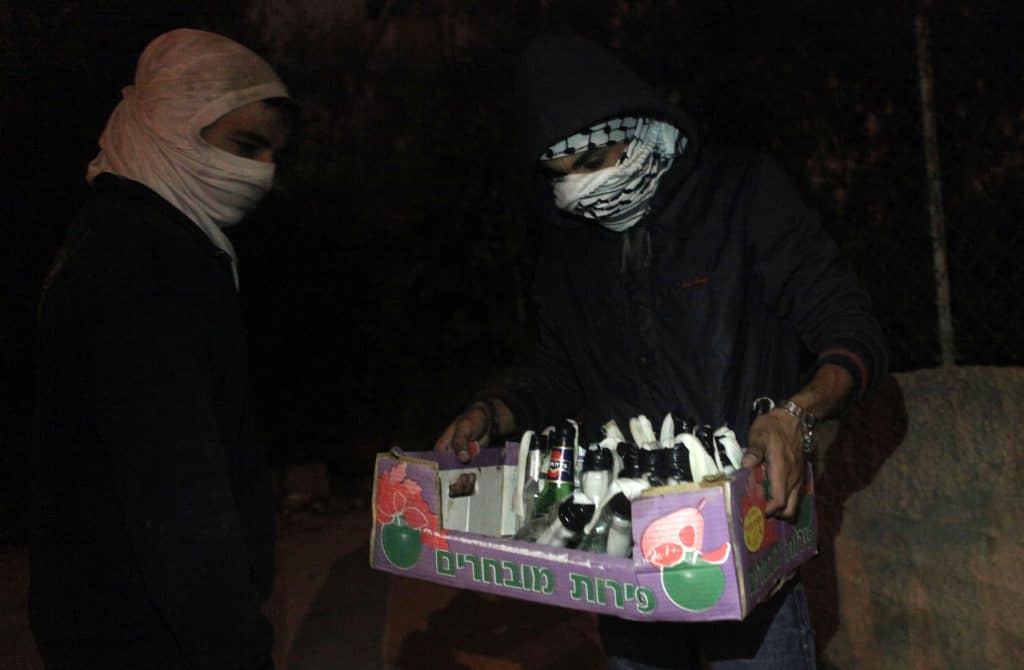
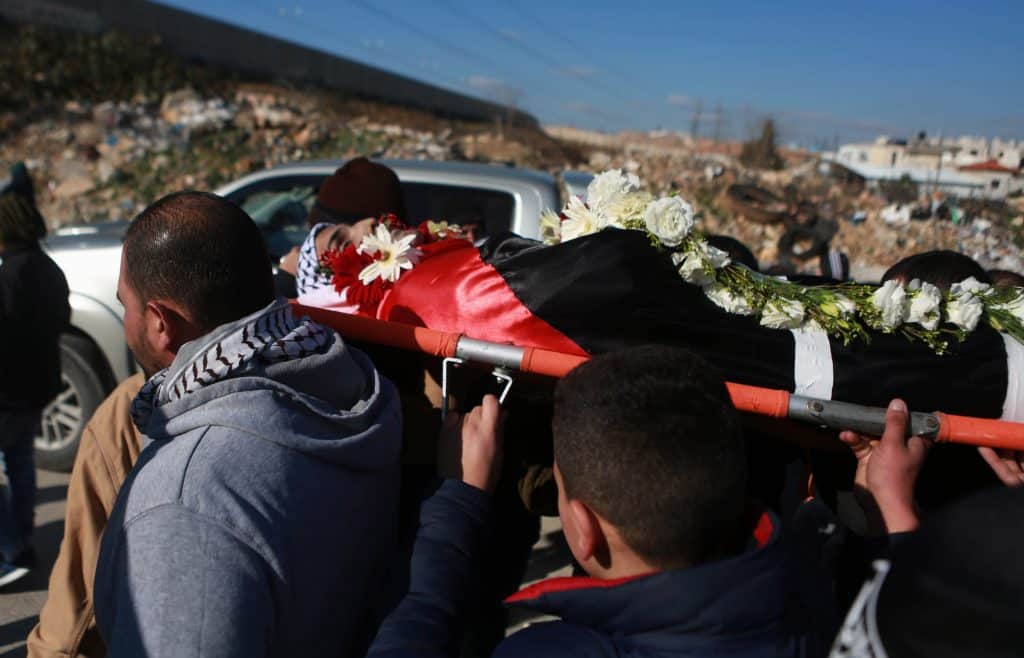
أنا قرش، أنا قرش، أنا قرش، أنا سمكة I’m a shark, I’m a shark, I’m a shark, I’m a fish وصحابي ملان في الجلمة I have tons of friends in al-Jalameh [detention center near Haifa] بنجتمع بنعمل غلبة We’ll get together and cause trouble تجيني يا غالي بناخد العتبة Come to me, my dear, and we’ll overcome all obstacles تخاف بالليل نضويلك عتمة If you’re scared at night, we’ll make it dark for you بس شوف تنساش But look, don’t forget أنا زي النووي سلاح فتّاك I’m nuclear, a deadly weapon في بغزة رجال تحفر أنفاق In Gaza, there are men digging tunnels ترجع بشوال وملان أشلاء They come back with bags full of limbsWe ask whether they are afraid to one day end up as martyrs at the hands of the Zionist army, as it happens to so many Palestinians. It’s an unfair question, maybe impossible to answer honestly in front of friends. “No,” most of them say hastily. “Inshallah [God willing],” someone adds. “Why?” we ask. “To go to paradise,” he replies. “When I see videos from Gaza, I think that we are no better than the people of Gaza. We should live like them, or they should live like us. It shouldn’t be different.” “When I see the videos that come out of Gaza, I feel that we have to do something,” says another. “I tell my family that one day they will kill me. God willing, one day I will be a martyr.” The conversation continues, their phones passing from hand to hand, showing videos of kids the same age as them being shot, some outright killed; military jeeps engulfed in flames; teenagers clashing with soldiers armed to the teeth.
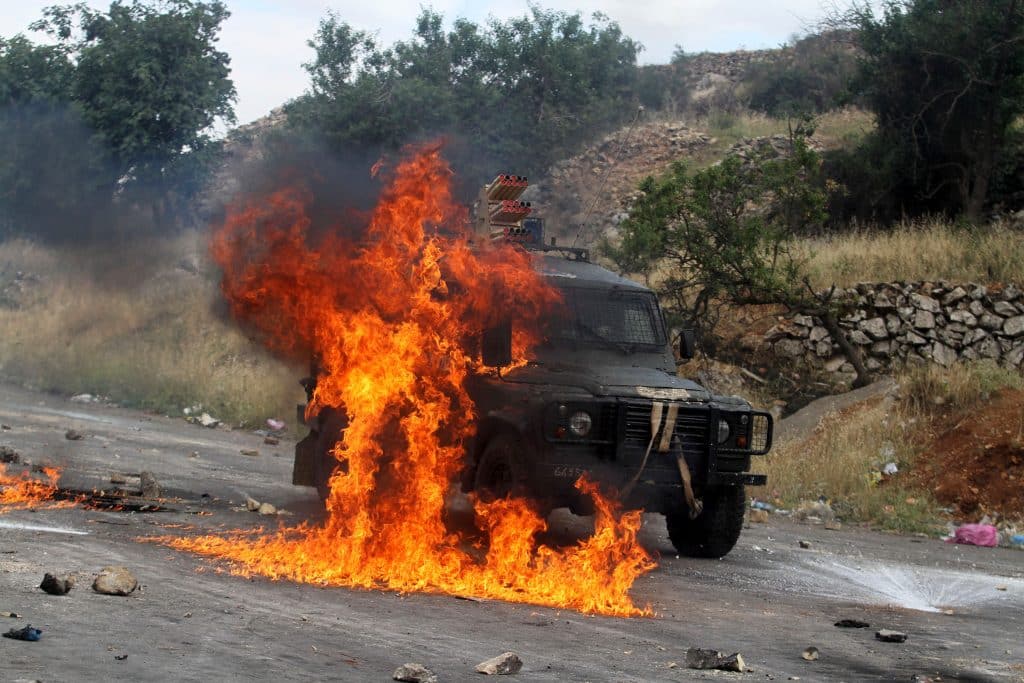
“I’m going to have a very kind death. And I’m going to another life, a very kind life.” M.
What's Your Reaction?
 Like
0
Like
0
 Dislike
0
Dislike
0
 Love
0
Love
0
 Funny
0
Funny
0
 Angry
0
Angry
0
 Sad
0
Sad
0
 Wow
0
Wow
0